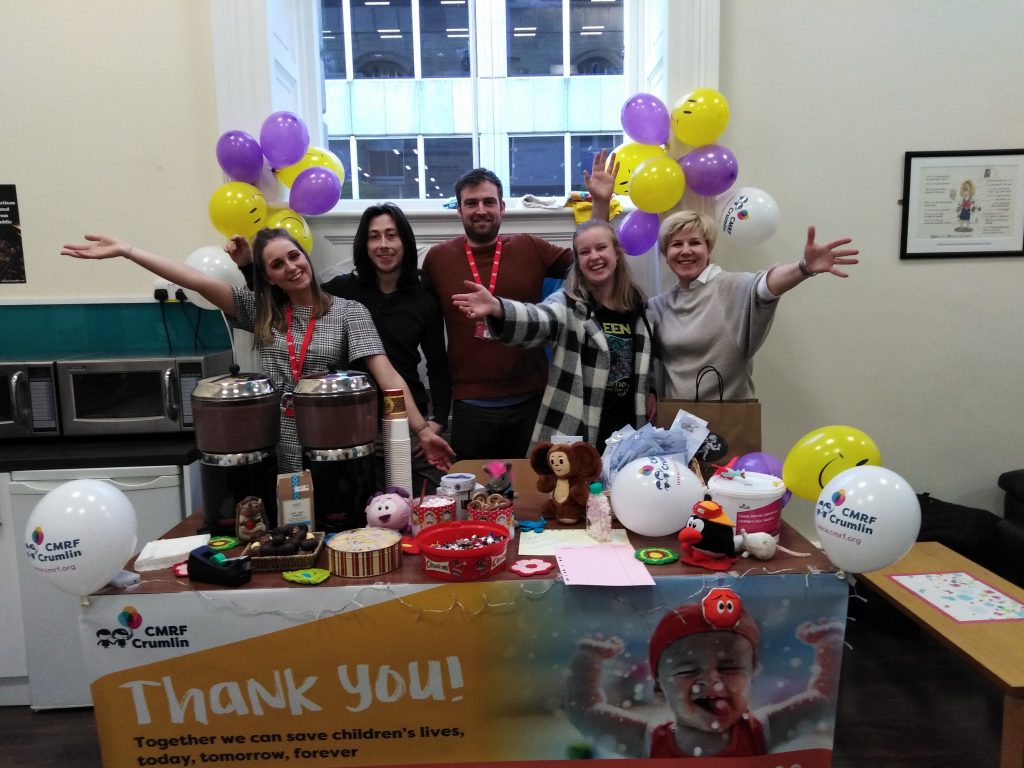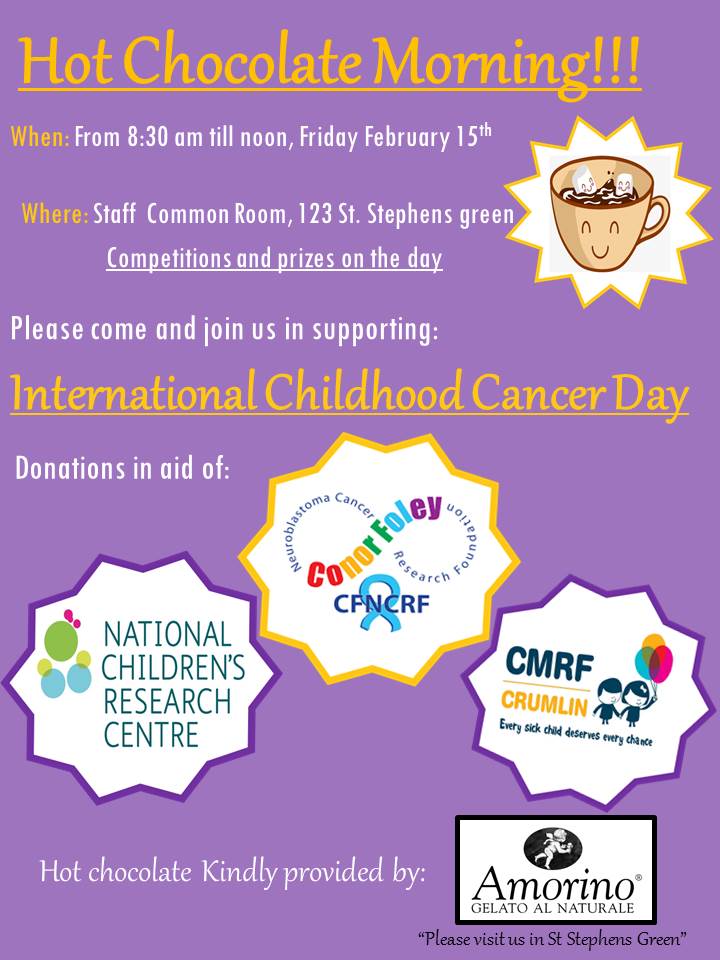
Now, when my team has expanded, it is so easy to come up with fundraising ideas and then develop one in a well-rounded event. In February, we ran Hot Chocolate Morning to raise awareness in childhood cancer and celebrate the International Childhood Cancer Awareness Day. We have an entire month of September to make this disease visible. It was the first time for some of my team members.
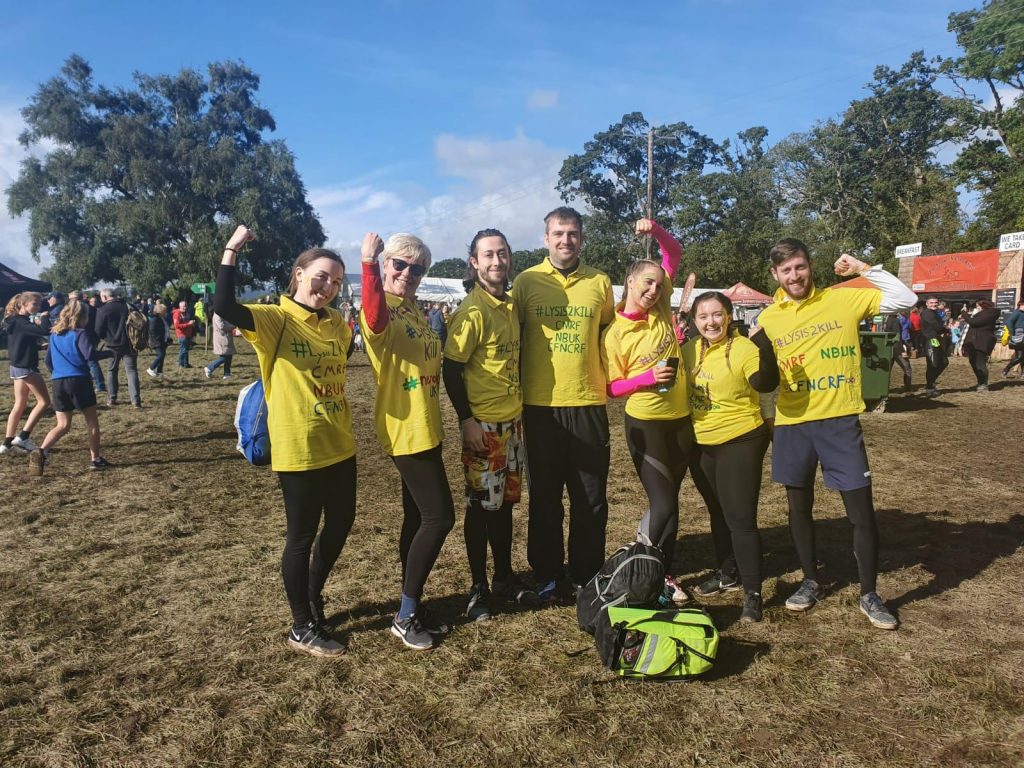
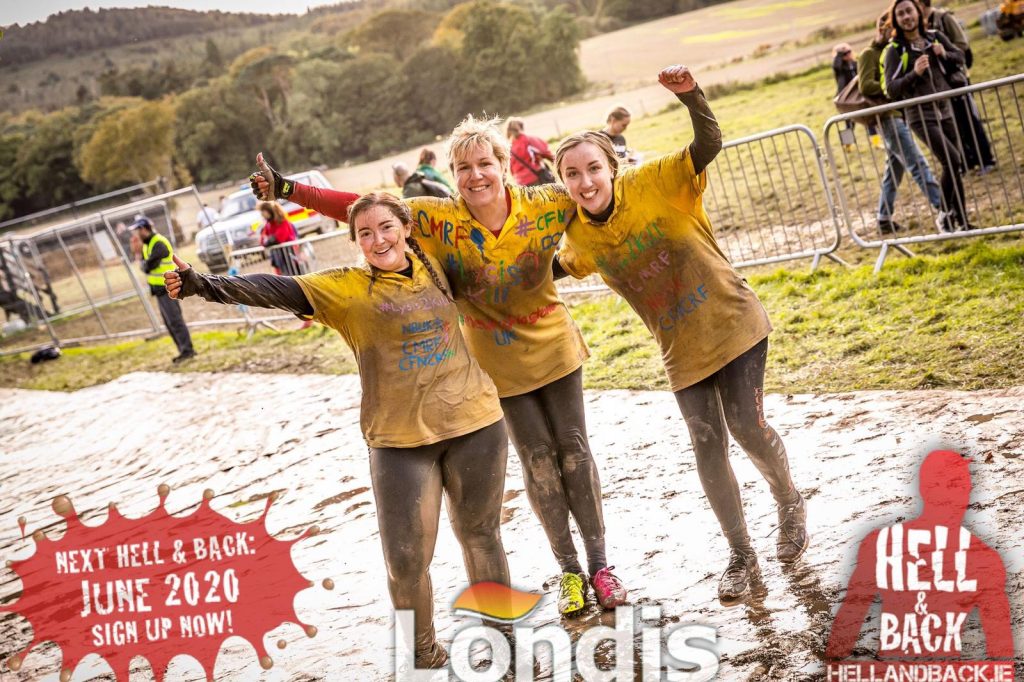
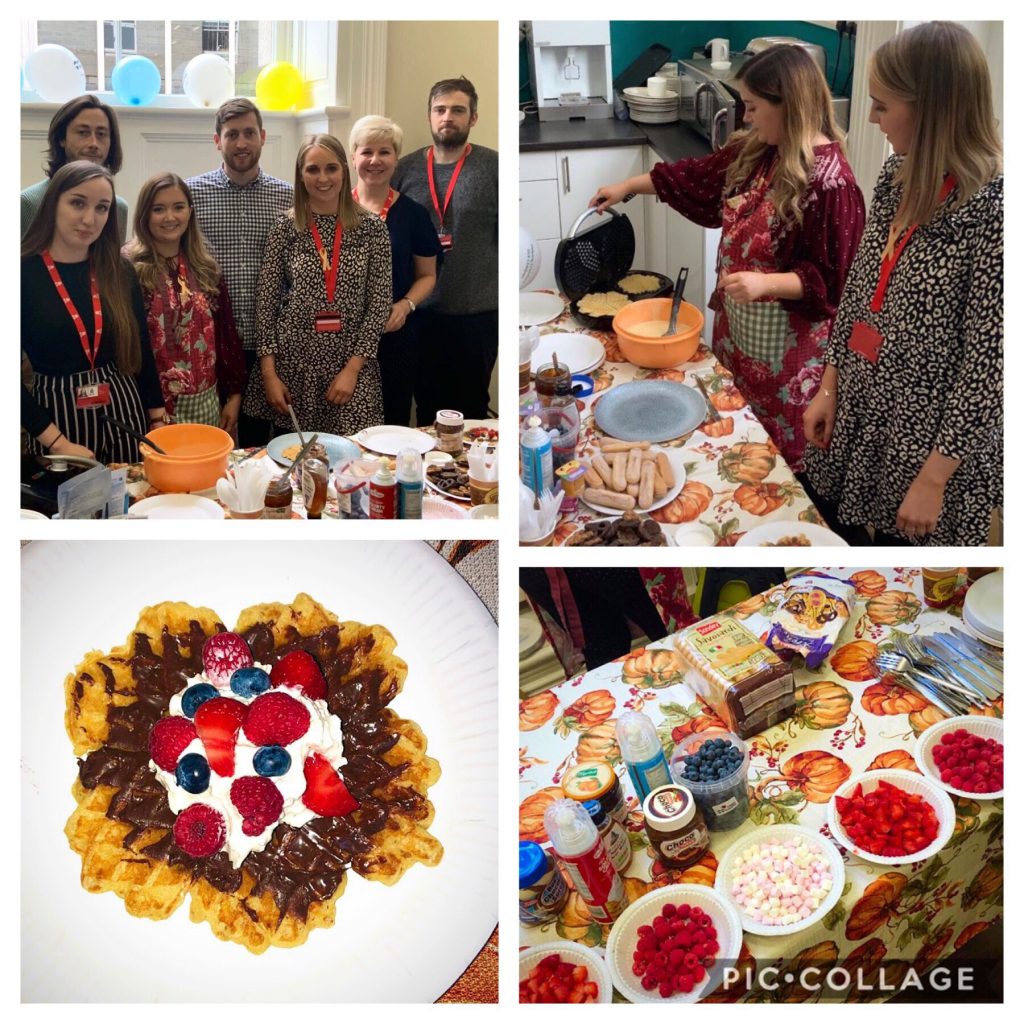
“Last Friday, I got to take part in my first fundraising event at the Royal College of Surgeons in Ireland. Our team hosted a waffle morning for #childhoodcancerawarenessmonth and we are delighted to have raised €403.85 thanks to everyone’s generous donations! Our fundraising does not stop here, in just a few weeks time all 7 of us will be taking on the 8km Hell and Back challenge to raise more awareness and funds for our four chosen charities: CMRF Crumlin, Neuroblastoma UK, and the Conor Foley Neuroblastoma Cancer Research Foundation. We hope everyone enjoyed their little Friday treat!” Catherine Murphy, PhD student funded by Neuroblastoma UK
We celebrate Childhood Cancer Awareness Month every September. This is our chance to talk about this cancer, the patients and their families and what can be done to make a change.
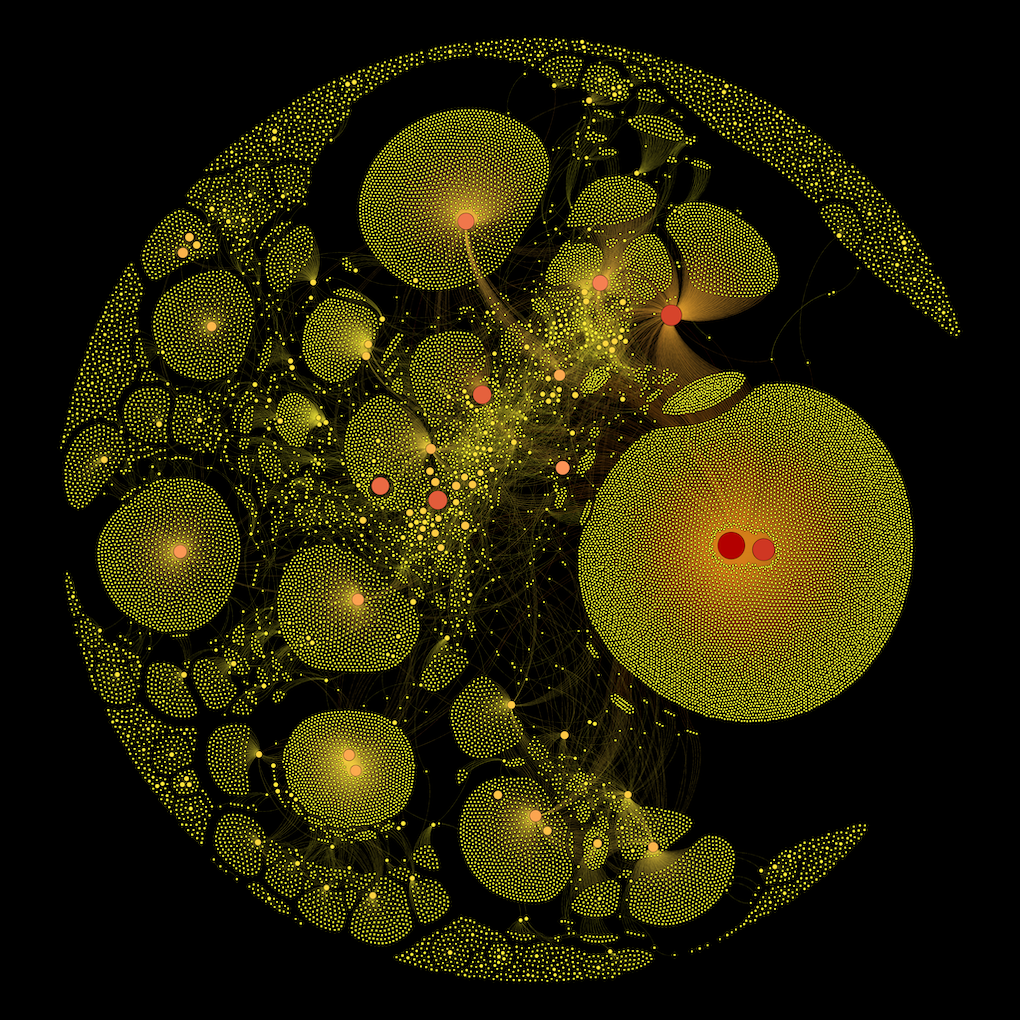
Together with Prof Richard Arnett we asked a question – how intense is communication about neuroblastoma/childhood cancer on Twitter. There were 52126 neuroblastoma tweets in 69 days. Is it a big number?
#neuroblastoma on Twitter
Yellow dotes represent tweets. The intensity of yellow reflects the number of tweets per account. Many of them formed isolated communities with no connections. A few reach out. And this is very sad, it means that these communities do not interact with each other.
Communities have to come together then they will be heard. The Childhood Cancer Awareness months is a great opportunity to do it.
Across countries and continents, we are celebrating International Childhood Cancer Day (ICCD).We do it to raise awareness tto raise awareness of childhood cancer, its consequences for children and their parents and make it as a priority for Governments and research.
My team research is focused on neuroblastoma biology. This is a solid tumour of undeveloped nerves. Some forms of neuroblastoma spread quickly and become very aggressive and challenging to treat. We are searching for the weaknesses that can be targeted with drugs.
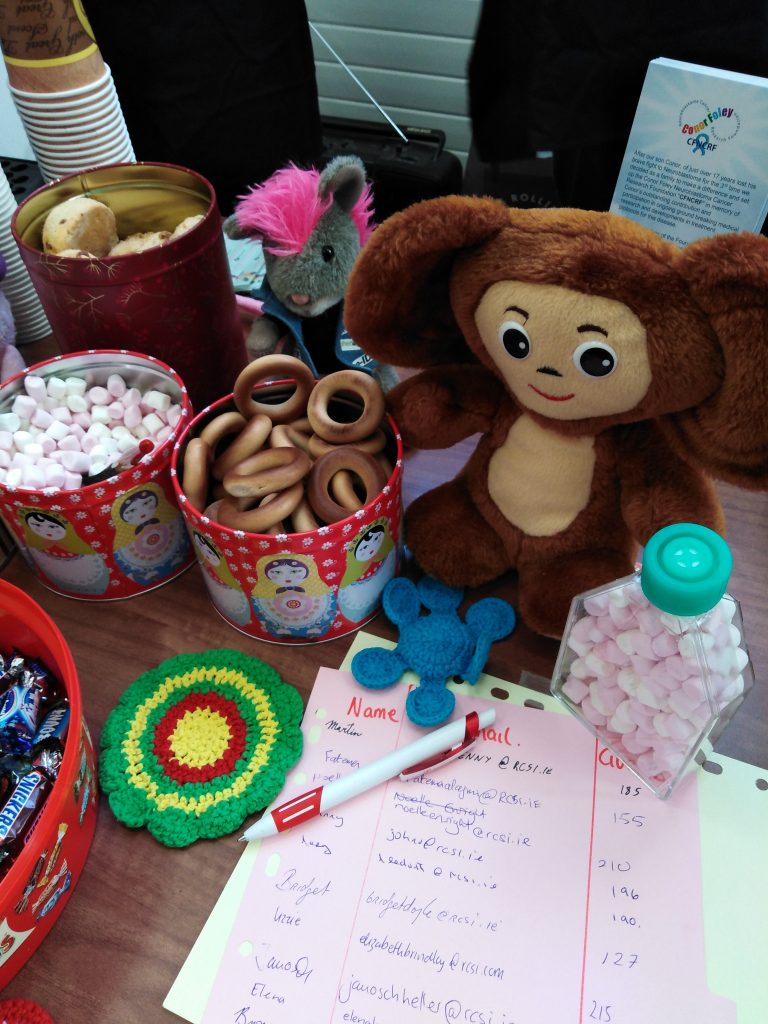
A guessing game was a part of the event. Everyone had a chance to guess how many marshmallows fitted in the cell culture flask T75. The guesses ranged from as low as 95 to as high as 500. Fortunately, one of the participants gave an absolutely correct answer. Micheal Flood put on 173 and won. Her fantastic ability to guess is incredible! Congratulations!!! Well done to all!
We raised 698.91 Euros for childhood cancer research! We thank everyone who came along and supported the Hot Chocolate Morning & the International Childhood Cancer Day 2019!
Many special thanks go to Amorino for delicious Italian hot chocolate & tasty bites contributors!
International Childhood Cancer Day (ICCD) was founded in 2002 by Childhood Cancer International (CCI). Each year on February 15th we unite together to recognise childhood cancer as a national and global child health priority & to raise support, funding and awareness of this devastating desiease.
This year we team up with Amorino to run Hot Chocolate Morning. Please come along! All proceeds go to CMRF/NCRC and CFNCRF.
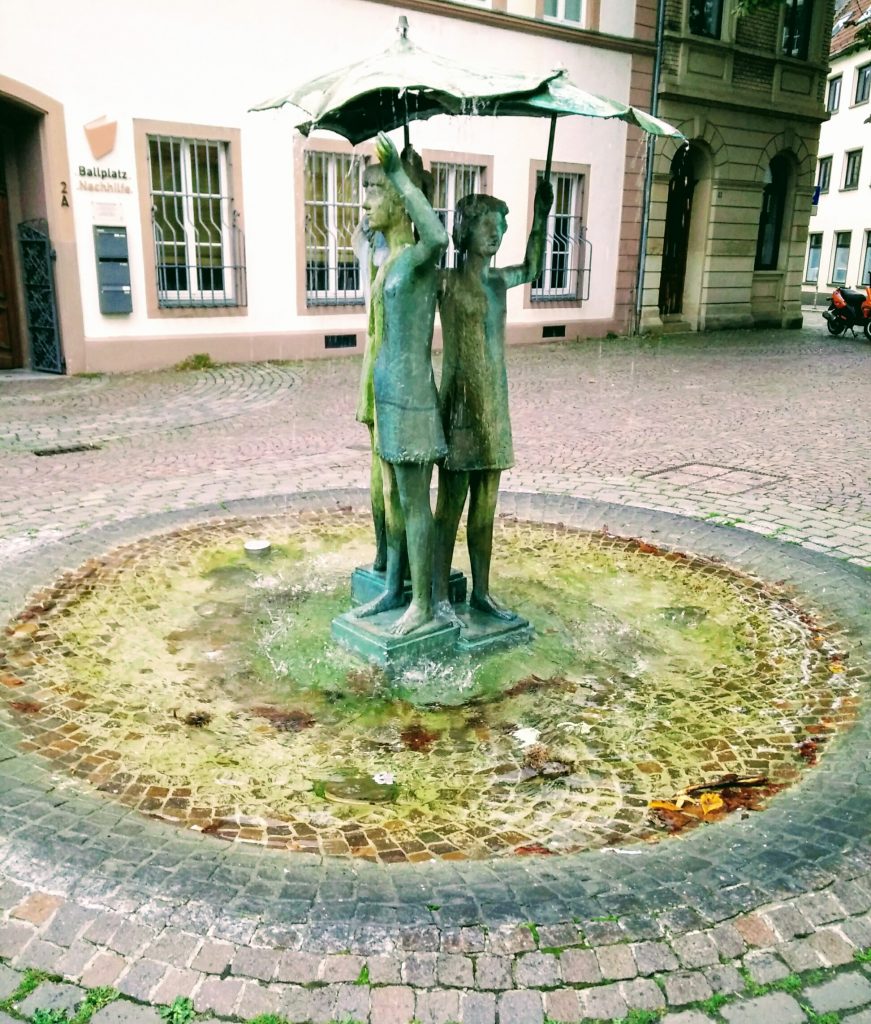
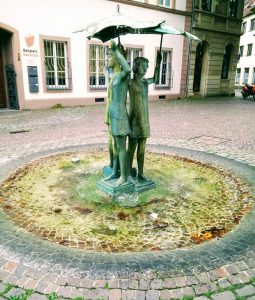
Last year I have selected this photo of a lovely fountain capturing 3 girls under umbrellas (Drei-Mädchen-Brunnen) in Ballplatz Mainz in support of #ChildhoodCancerAwarnessMonth. This fountain was built between two Catholic girl’s schools symbolising the separate education and a happy childhood. It is charming on its own. And I’ve select it again.
Every child deserves a happy childhood. Raising awareness about childhood cancer we help to make the dreams of children with cancer come true. Dreams for a happy childhood, better treatment, better quality of life full of love ahead through better funding of childhood cancer research and access to innovative treatments.
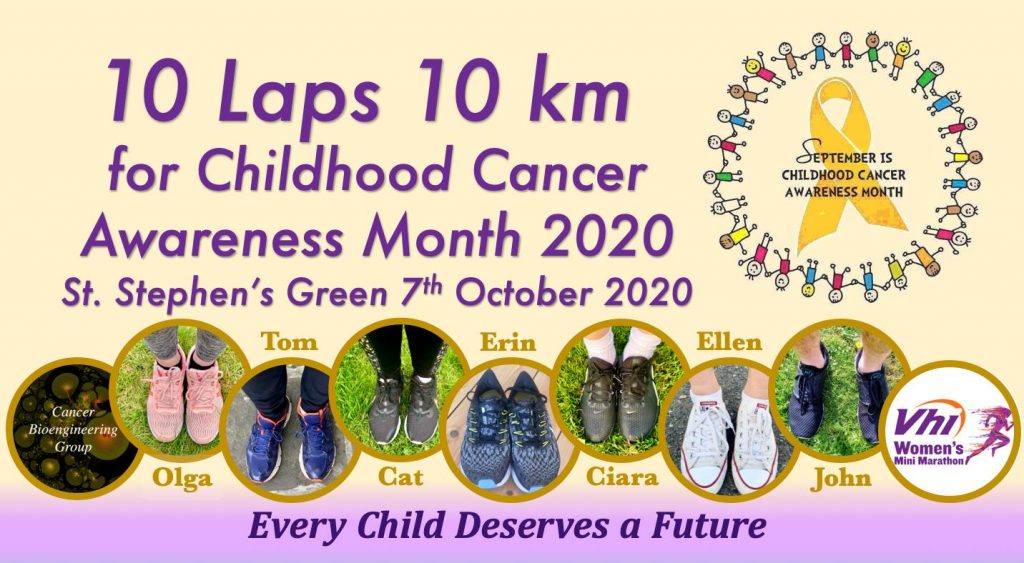
Today marks the start of Childhood Cancer Awareness Month.
Three girls fountain in Mainz Germany
The cause of childhood cancers is believed to be due to faulty genes in stem cells that give rise to nerves, skin, blood and other body tissues. For some unknown reasons, the faulty genes can sit quiet and show their ‘bad’ character after birth and programme the cells into cancer cells.
So, there is no evidence that links lifestyle or environmental risk factors to the development of childhood cancer, which is opposite to many adult’s cancers.
Every 100th cancer patient is a child. Cancer is the 2nd most common cause of death among children after accidents.
Children are not little adults and so their cancer. Some childhood cancers have a good outlook and successful protocol of treatments. However, some of the cancers do not respond to the known drugs, or if respond cancer cells find the way to develop resistance and come back being more aggressive. Among theme are some forms of brain tumours, neuroblastoma and sarcomas; cancers developing in certain age groups and/or located within certain sites in the body, along with acute myeloid leukaemia (blood cancer). Children with a rare brain cancer – diffuse intrinsic pontine glioma survive less than 1 year from diagnosis. Children with soft tissue tumours have 5-year survival rates ranging from 64% (rhabdomyosarcoma) to 72%(Ewing sarcoma). Less than50% of children with the aggressive form of neuroblastoma will live beyond 5 years with current treatment strategies.
For majority of children who do survive cancer, the battle is never over. Over 60% of long‐term childhood cancer survivors have a chronic illness as a consequence of the treatment; over 25% have a severe or life-threatening illness.
The most common types of childhood cancer are:
Leukaemia and lymphoma (blood cancers)
Brain and other central nervous system tumours
Muscle cancer (rhabdomyosarcoma)
Kidney cancer (Wilms tumour)
Neuroblastoma (tumour of the non-central nervous system)
Bone cancer (osteosarcoma)
Testicular and ovarian tumours (gonadal germ cell tumours)
#ChildhoodCancerAwarenessMonth is over. However, childhood cancer is not going away. The battle is not over. Families will be still affected by the lack of treatment options available to their child. More research is needed. Please do support enthusiastic people who do want to make the change. Every single contribution counts.
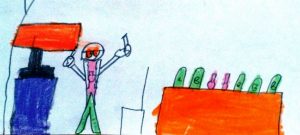
Scientist as imagined by a 7-year-old boy
The more important reason is that the research itself provides an important long-run perspective on the issues that we face on a day-to-day basis. (Ben Bernanke)
I would like to thank everyone who followed my blog during this month and hope would continue!
We hear great news from the US labs that a new treatment is on the way for children with cancer. Most of their research is funded by charities and success stories appear because of the people who want to make dreams come true for kids with cancer and their families. Dreams for longer and healthier life.
Interestingly, the study led by Professor Bernie Hannigan, the University of Ulster, which was published by Medical Research Charities Group, identified main gaps that keep Ireland at the bay:
Childhood cancer research areas are not prioritised, including neuroblastoma.
No Government funding support for childhood cancer research. The research has to compete on general terms with well-funded research groups/centres/clusters focused on the adult cancers (breast, prostate, etc)
No systematic involvement in research of Patients or other lay people.
No medical research charities to fill the gap in childhood cancer research funding.
Dedicating posts to neuroblastoma and childhood cancer awareness month, it is impossible to stay distant about the need of fundraising to fund research. The #ChildhoodCancerAwareness Campaign aims not only attract our attention to the fact that kids get cancer too, but mostly to show how little is done to understand the causes of the disease and offer effective treatments.
To address the last problems more research is needed both curiosity-driven and translationally focused. To answer the question why research needs more funding, in general, you can find here.
Effective treatments cost money: only 4% of research funding goes to research in ALL childhood health conditions. In the other words, every 4cents of each 1 euro are to be used in research.
The causes of childhood cancer including neuroblastoma are not known. It would be right to expect more blind alleys and failed ideas in the understanding these cancers.
The research can take decades, so it is a long-term investment. In contrary, people, who can give money (the politicians and governments), have 4-5 years of political power. 4-5 yearsvsdecades = the discovery research becomes critically underfunded.
Walking in Mainz last week I saw a lovely fountain capturing 3 girls under umbrellas (Drei-Mädchen-Brunnen) at the ball square. This fountain was built between two Catholic girl’s schools symbolising the separate education and happy childhood. It has charmed me and reminded rainy days in Ireland and how this fountain may fit any park or square in Dublin.
My second look at the picture gave me another perspective. This sculpture could illustrate not only happy childhood but also the protection we can give to children with cancer being their umbrellas. As September is childhood cancer awareness month, I am picking this picture to support this call. Raising awareness about childhood cancer we help to make their dreams come true. Dreams for better treatment, better quality of life full of love ahead through better funding of childhood cancer research and access to innovative treatments.