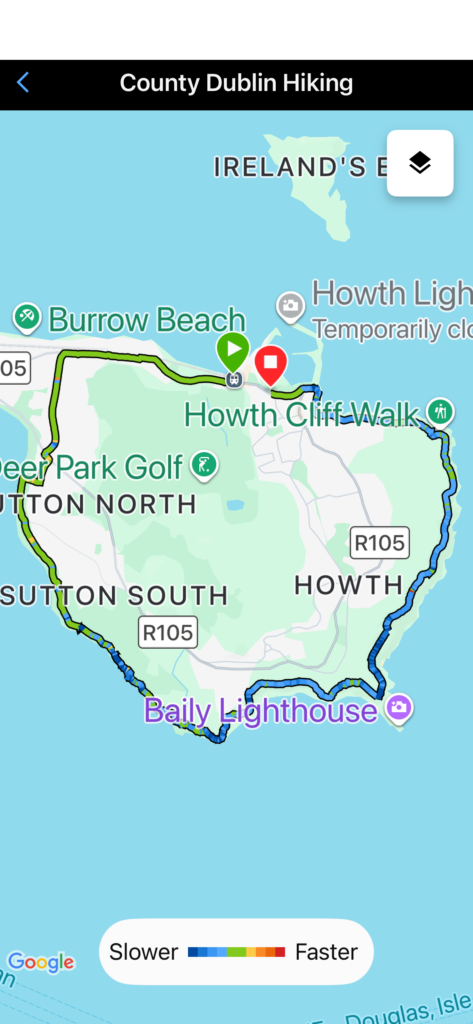
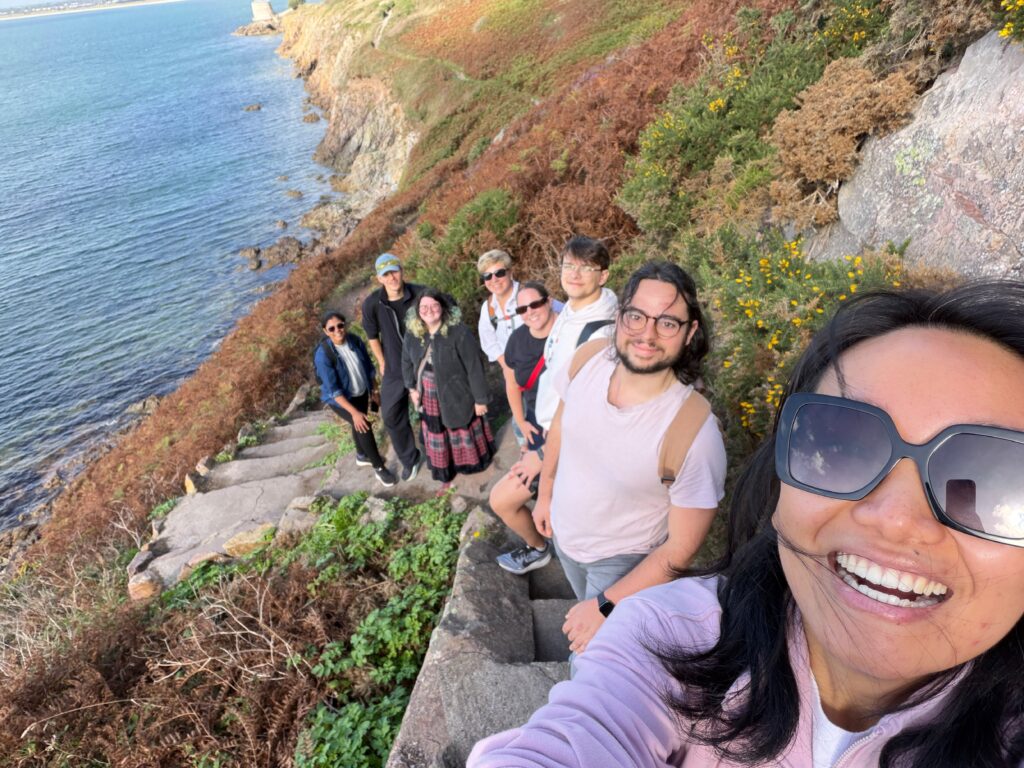
This September, our team laced up our boots for Childhood Cancer Awareness Month to join Neuroblastoma UK’s campaign. Eight of us each walked ~14 km, 112 km in all, to raise awareness of neuroblastoma. 1 km for each child diagnosed with neuroblastoma in the last 12 months in Ireland and the UK. This cancer of developing nerve cells mostly affects babies and young children, and it’s still one of the hardest childhood cancers to treat.
We chose Howth for our route. Starting near the harbour, we headed west along the shore towards Sutton, then followed the coast south and east around the headland. We passed the Baily Lighthouse and climbed onto the cliff path, and the last stretch took us along the Howth Cliff Walk back to where we’d started. We had sea views the whole way, and a few tired legs by the end.
Every kilometre was a chance to talk about neuroblastoma: how its early signs are easy to miss, and why research into better, kinder treatments matters. Families facing this diagnosis walk a far harder road than we did, and we walked with them in mind.
Thank you to everyone who cheered us on. If you’d like to support the Conor Foley Neuroblastoma Cancer Research Foundation and Neuroblastoma UK, you can donate to our GoFundMe page.
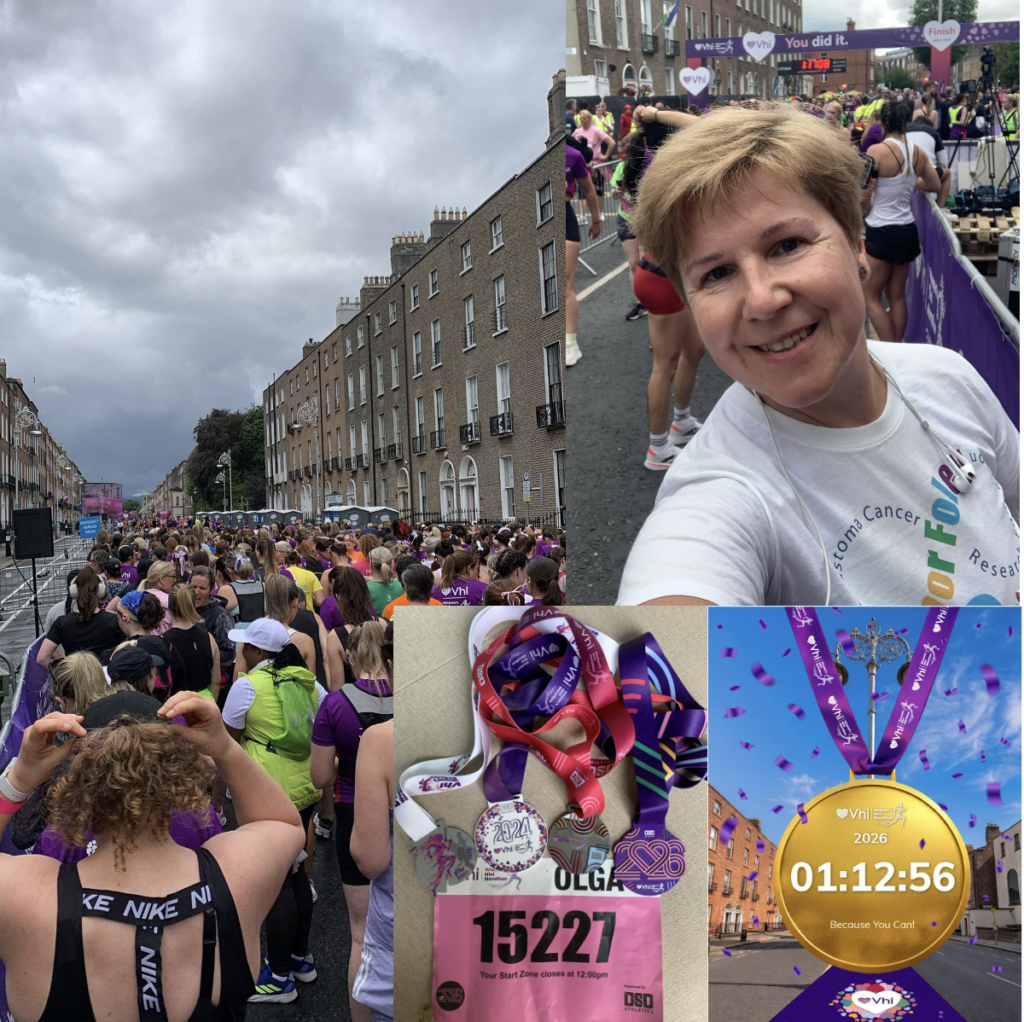
Yesterday, 30,000 runners, joggers, and walkers took part in the 44th VHI Women’s Mini Marathon. We were ages 14 to 92, from diverse cultural, educational, and fitness backgrounds. Each set their own ambition and target. It was my fourth race. My targets stayed the same: raising awareness for Childhood Cancer Research, supporting the Conor Foley Neuroblastoma Cancer Research Foundation, and finishing within 1 hour and 15 minutes with a smile.
The atmosphere was cheering and empowering, and the weather was very kind to us. I was in a pink wave, and we started about 12:30ish. Running in a big company with your allies is enjoyable and empowering. I was sinking into the diversity and variety of running women and supporters along the road, enjoying every minute. Some took over me, and I took over some. Somewhere after 5K, I was tapped by my TERG colleagues, so the race became even more enjoyable.
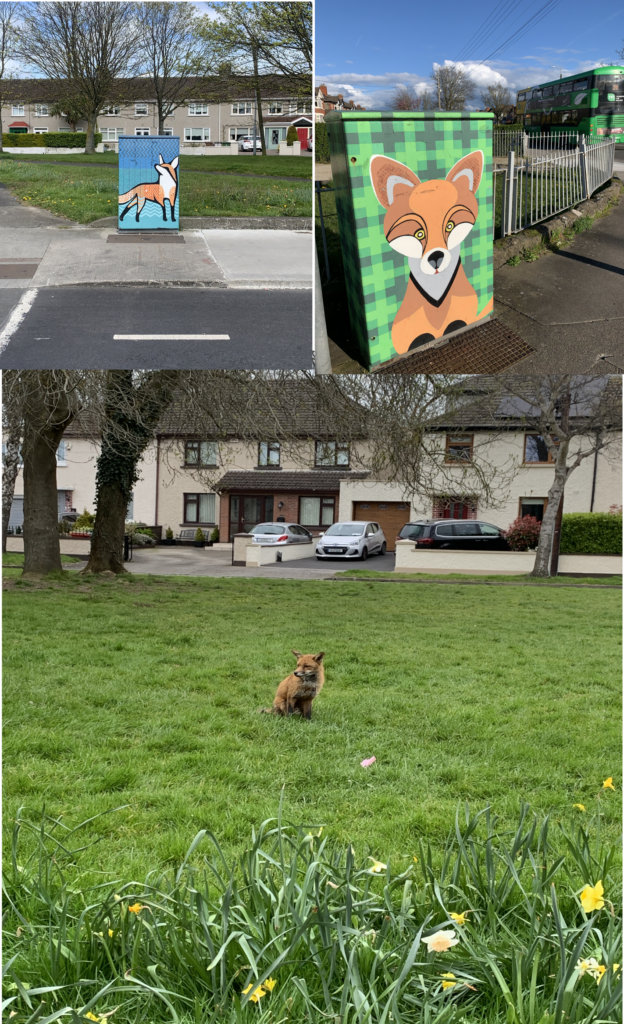
One may notice colourful traffic control boxes around Dublin. The first one was painted back in 2013. A trial run included just 11 traffic signal boxes on Dublin’s Northside as part of the Dublin Canvas project. This inspiration is rooted in David Murtagh’s Australian trip. On his return, he wanted to do the same in Dublin. The trial was a great success. He runs Dublin Canvas on behalf of Dublin City Council. Read more about it here. 900+ boxes across County Dublin were painted by the end of Autumn 2025.
Now, we can spot them here and there. They add a very personal touch to Dublin streets. Some of them refer to a nearby spot or attraction. Foxes are very popular!
Three foxes were spotted near each other in Dublin 9. One being a real one! So, my collection has just begun. Stay tuned for more.
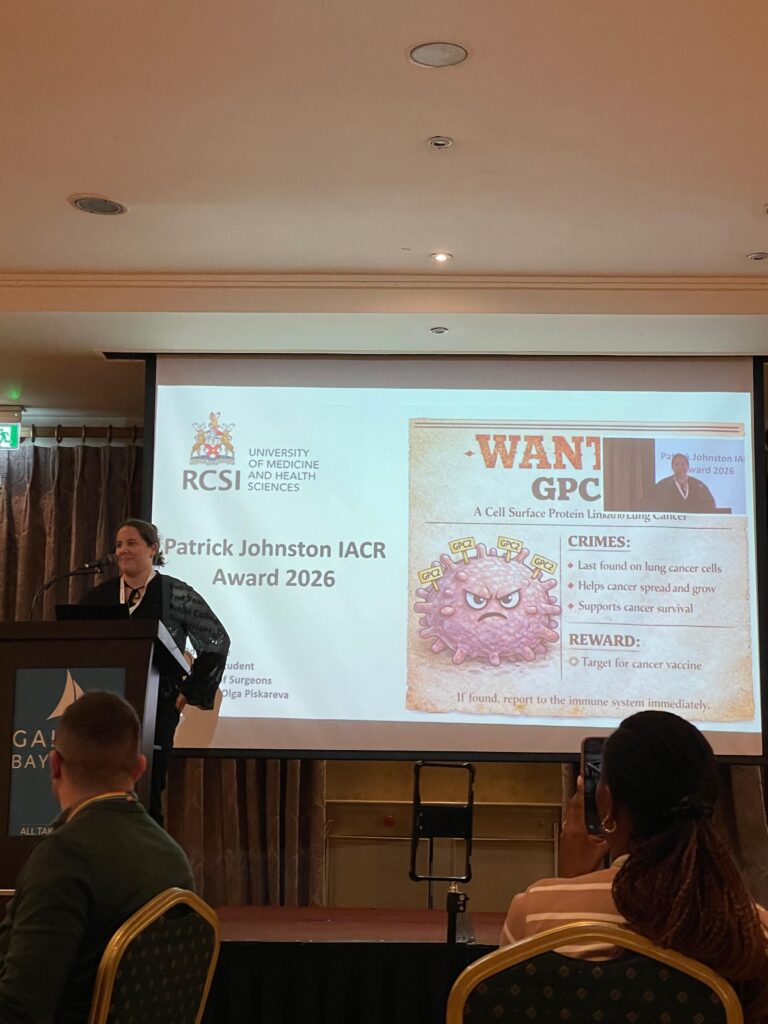
I recently had the opportunity to attend and present my research at the Irish Association for Cancer Research Conference 2026 in Galway. This year was particularly special for me, as I was selected as one of six early-career researchers to take part in the Prof. Patrick G. Johnston Award for Excellence in Cancer Research Outreach.
This award recognises researchers who can communicate their work clearly to a public audience. Those selected are chosen based on their lay abstracts and take part in a patient communication workshop ahead of the conference. As part of this, I had the opportunity to work closely with patient advocates and cancer survivors, which was an incredibly valuable experience. It challenged me to think beyond science and focus on how to make my research meaningful, accessible, and relevant to the people it ultimately aims to help.
My presentation at IACR 2026
During the conference, I presented my research as part of this award session, delivering a lay presentation to an audience made up of scientists, patients, and members of the public.
My research focuses on developing 3D lung models to better understand cancer behaviour and explore new ways to target lung cancer using mRNA-based approaches. Being able to present this work in a way that resonated with a non-scientific audience was both challenging and rewarding.
Overall, the conference was an inspiring experience. It reinforced the importance of communication in cancer research and reminded me that behind every project are patients and families who are directly impacted by the work we do.
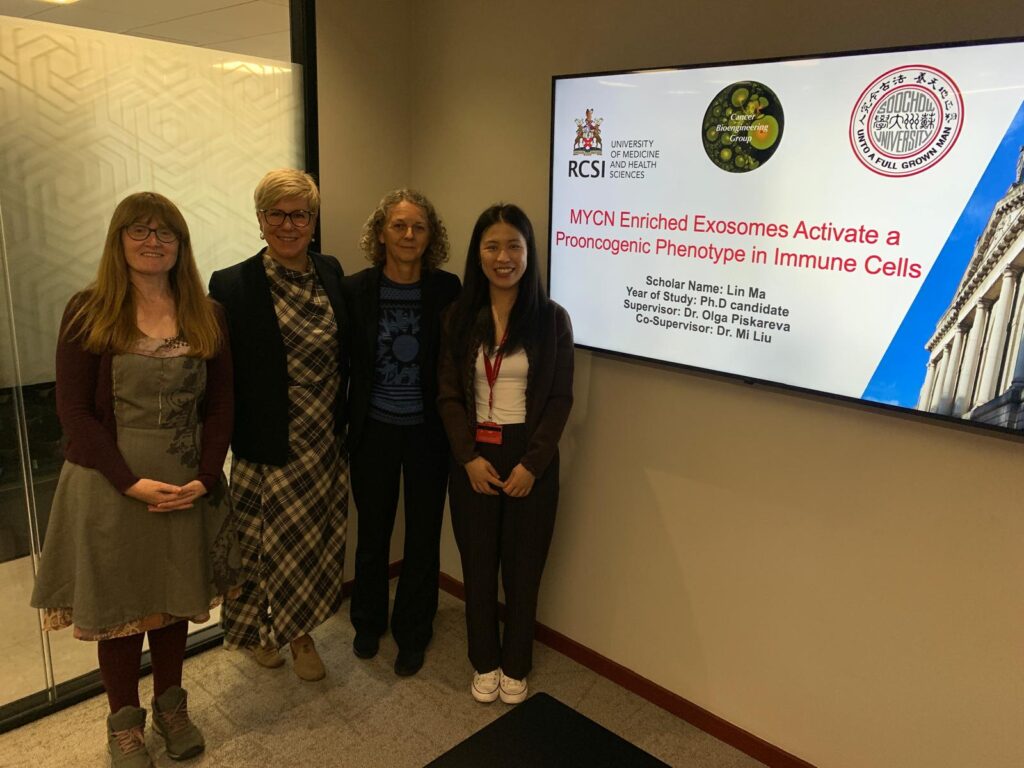
What a year – two young and talented postgraduate students have been minted with a Doctor of Philosophy Degree in September and December of 2025. They are Dr Lin Ma and Dr Ronja Struck. Hard work and dedication are the cornerstones of this challenging but rewarding journey.
They sailed through scattered showers and sunny spells, gale winds and stormy snow with sunshine developing elsewhere, turning chilly under clear skies on some days with temperatures below/above zero. The full spectrum of emotions and hard work was spiced up by the uncertainty of COVID-19 restrictions. Well done to Ronja and Lin!
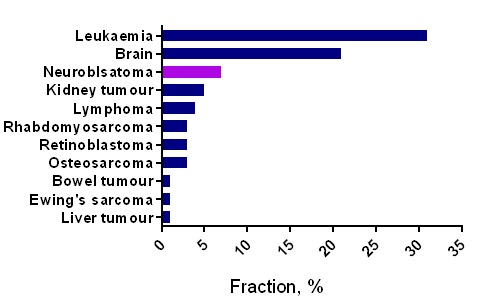
Childhood cancer is an umbrella term for many other types of this disease. Cancer is the 2nd most common cause of death among children after accidents.
Every September, many charities, researchers and parents of children with cancer work hard to raise awareness of this cancer. You may learn more about kids with cancer, their loving families, the doctors and caregivers who look after them and treat them, the young survivors of cancer and those kids and teens who lost their battle, and the scientists who work hard to find a way to stop childhood cancer.
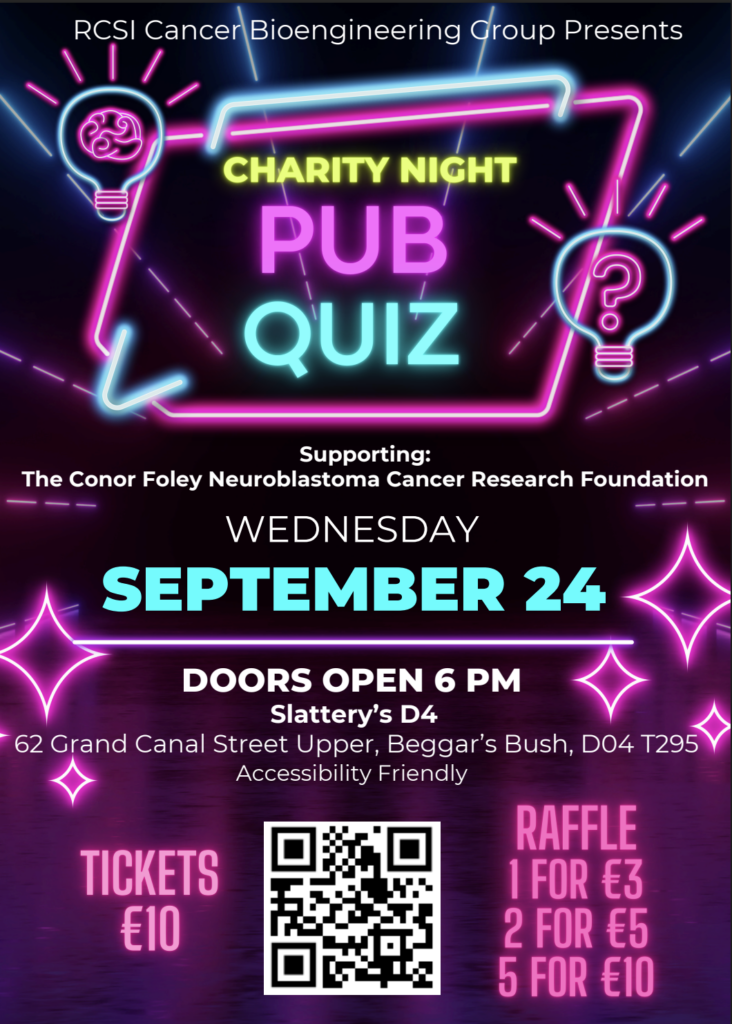
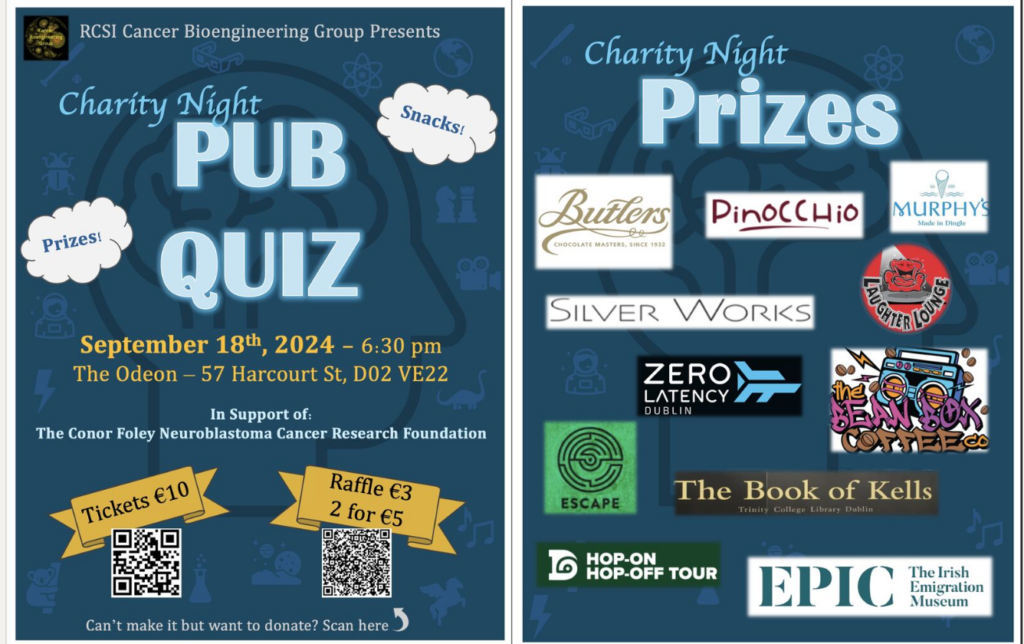
The RCSI Cancer Bioengineering group is excited to announce our upcoming fundraising event! Join us for a Charity Night Pub Quiz on September 24th at 6:00 pm in Slattery’s D4 pub., in honour of Childhood Cancer Awareness Month. All donations will go to the Conor Foley Neuroblastoma Cancer Research Foundation (CFNCRF).
Test your trivia knowledge, win great raffle prizes, and make a difference together! Our pub quiz is open to everyone, with friends and family encouraged to attend. We can’t wait to see you there!
If you’re unable to make it but still want to support our fundraising efforts, we would greatly appreciate your donation. Please either buy the Raffle tickets or donate directly via the CFNCRF.
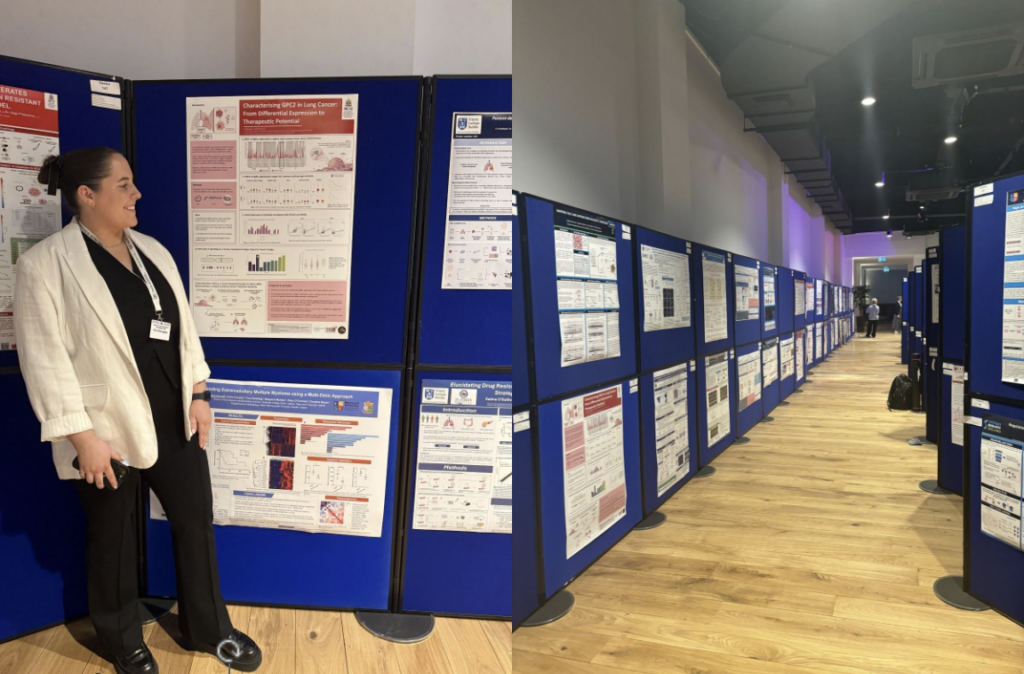
I presented a poster on my research into the regulation of GPC2 in lung adenocarcinoma and squamous cell carcinoma. The poster session was a great opportunity to share my work, receive constructive feedback, and speak with researchers working on similar topics. These conversations have given me new ideas to take back to the lab.
One of the most valuable sessions for me was the “PPI in Action” workshop, which focused on making patient and public involvement more inclusive. It introduced me to new perspectives on how researchers can engage directly with patients and the public. I left inspired to explore starting a PPI group for lung cancer at my own institution.
Another highlight was the Patrick Johnston Award session, where early-career researchers presented their work in lay terms. It was a strong reminder of the importance of clear, accessible science communication.
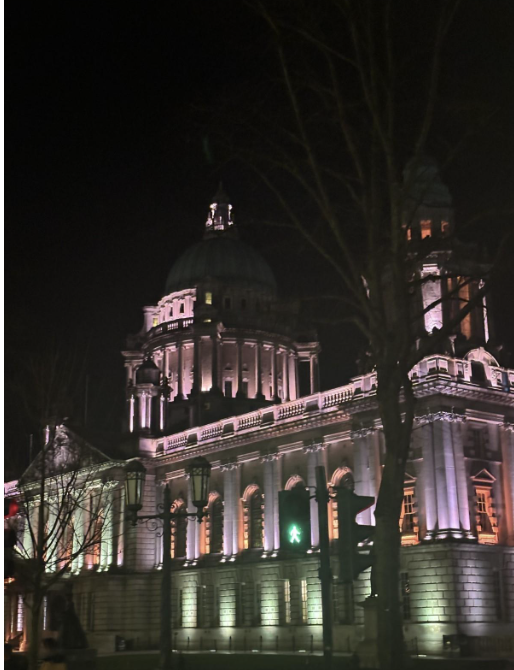
Beyond the conference, I enjoyed exploring Belfast—Victoria Square offered amazing views, and the architecture around City Hall was well worth the visit.
Overall, the conference was a great opportunity to connect, learn, and reflect. I’m very grateful to Breakthrough Cancer Research for supporting my attendance and look forward to applying what I learned to my research going forward.
The European Association for Cancer Research (EACR) is a registered charity and scientific community that has been holding conferences since 1968. EACR’s annual four-day congress is dedicated to basic, preclinical and translational cancer research. It brings together the cancer research community, including PhD students, postdocs, PIs, and commercial sponsors, for the opportunity to network and collaborate to progress cancer therapeutics.
I was fortunate enough to receive the Breakthrough Cancer Research Education and Travel Award, which made it possible for me to attend this year’s EACR conference held in Lisbon, Portugal. Breakthrough Cancer Research is an Irish Medical research charity focused on improving the outcomes of patients diagnosed with rare and poor prognosis cancers, like neuroblastoma.
When I first arrived at the congress center in Lisbon, I was immediately impressed by how well organized and put together the conference was. A schedule of four full days included speakers, poster presentations, industry talks, a technology exhibition, giveaways, networking rounds, and early-career talks. I checked in, received my “goodie bag” and was on my way to the first talk. For the duration of the conference, you were encouraged to move freely between all the available presentations within several auditoriums and pavilions. They even had screens and speakers set up outside the auditoriums if there was no more space inside to make sure that the research presented was accessible to everyone. The lunch breaks were the perfect time to enjoy the sunshine, walk along the Tagus River, and have a picnic with views of the Ponte 25 de Abril bridge (similar in style to the Golden Gate Bridge in San Francisco, California).
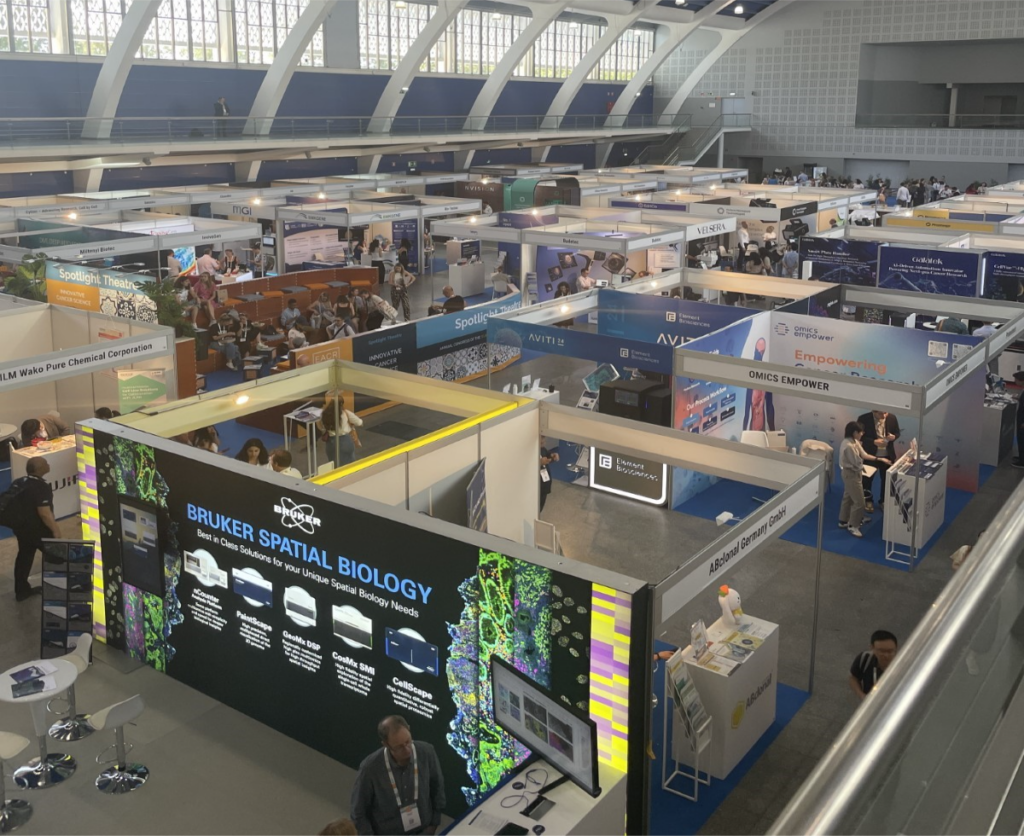
Exhibitors showcase with over 100 companies available to talk about their technology. QR codes were at each booth to scan for participants to be entered into a drawing for an iPad and free entry to next year’s conference in Budapest, Hungary.
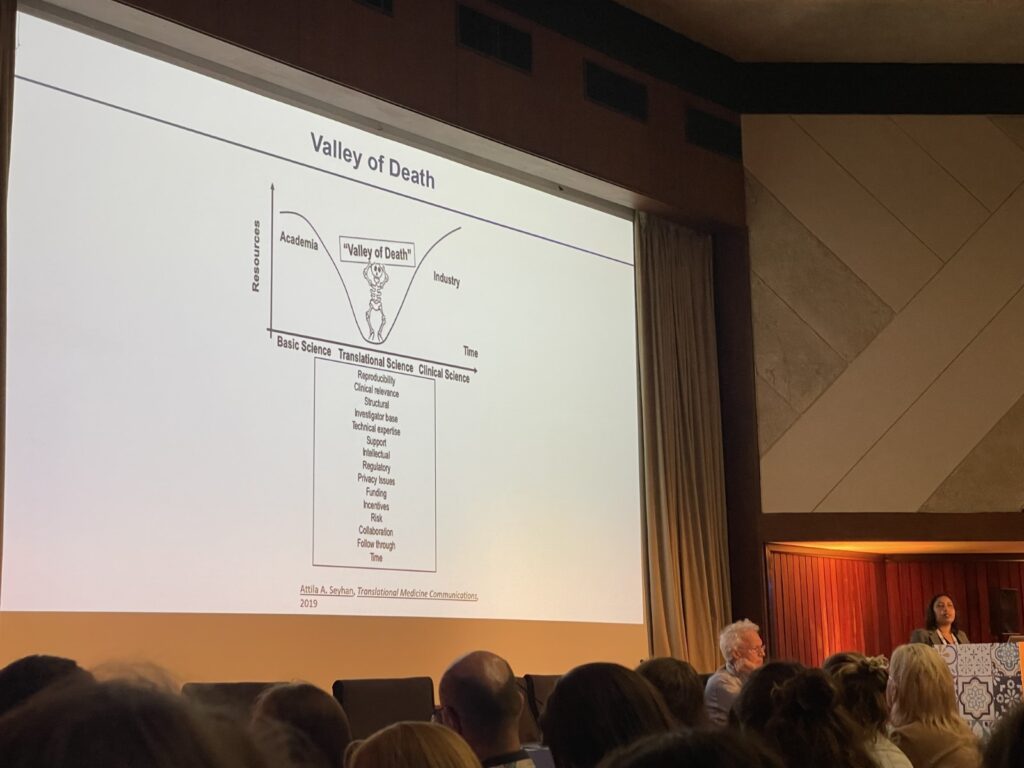
Throughout the conference, I listened to talks that ranged from how estrogen levels in breast cancer are related to the loss of bone density to how we can detect cancer in circulating cells for a diagnosis three years earlier than previous tests. One of the talks began with the necessity for physiologically relevant in vitro to 3D models and then the conclusion of the talk discussed how there’s a bridge needed between academia and industry for treatments to be more streamlined and accessible. Most importantly, I was able to read quite a few posters with research that other PhD students were doing related to small extracellular vesicles (sEVs). My work specifically looks at the relationship between sEVs shared from cancerous to non-cancerous cells and what their functional impact is. A lot of the work I saw was optimization of sEV isolation and characterization, which can be quite tricky to do but was helpful to see what complications others were running into and their troubleshooting results.
Presentation by Cindrilla Chumduri during EACR – EMBO Symposium: Advanced in vitro Models. Chumduri highlights the “valley of death” where there is a gap between academic and industry research that impedes the progression of scientific breakthroughs in cancer research.
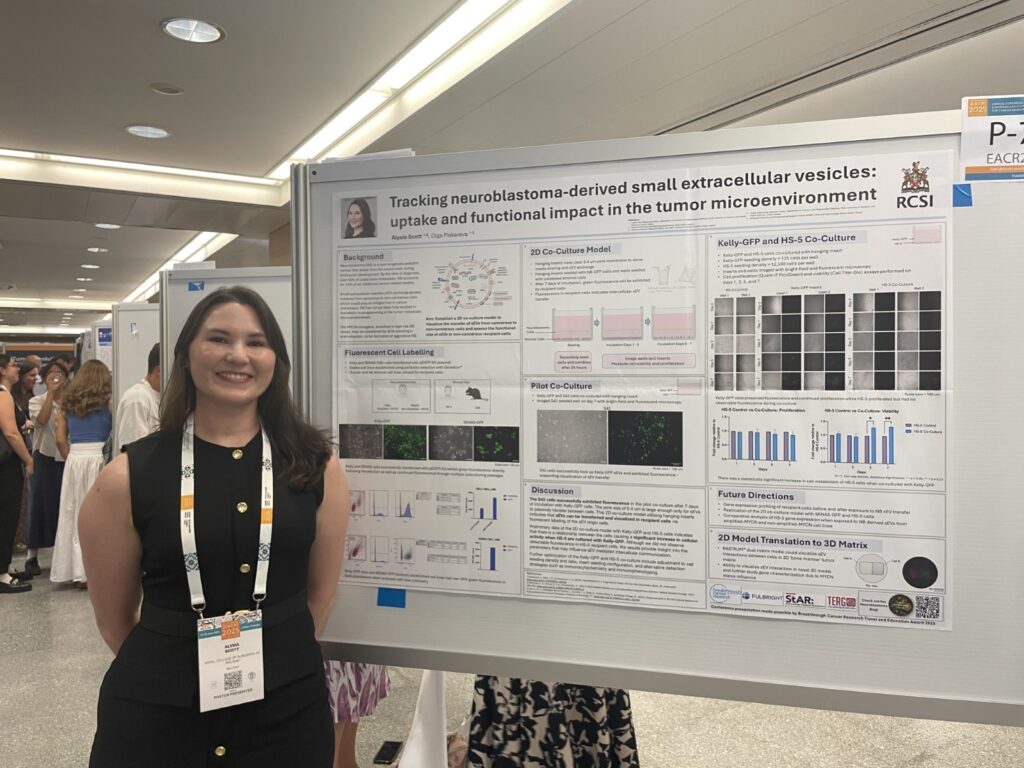
By the time it got to my poster defense, I was excited to talk about my work and looking forward to meeting others who might be doing research similar to mine. There were a handful of people that came to speak to me about my work and ask questions. One thing about the PhD journey is that sometimes you can be so deeply involved in your own work and what isn’t going right that you lose sight of how impactful your work can be. When several people approached me about the co-culture model I was using, they were so curious and wanted to implement something like that into their work. Hearing positive feedback on my efforts was a refreshing way to end the conference. At the end of the day, there was a celebration dinner where a traditional Portuguese Fado band played music while we were able to unwind and network with other PhD students. My time spent in Lisbon at EACR was one of the best conference experiences I’ve had. I’m looking forward to heading back into the lab, making progress with my project, and presenting at the next conference.
My poster defense during the Tumor Biology poster sessions.
Special thanks to Breakthrough Cancer Research for supporting my research and providing me with this fantastic opportunity.
Cancer is the 2nd most common cause of death among children after accidents.
Childhood cancer is an umbrella term for many other types of this disease. Every September, many charities, researchers and parents of children with cancer work hard to raise awareness of this cancer. You may learn more about kids with cancer, their loving families, the doctors and caregivers who look after them and treat them, the young survivors of cancer and those kids and teens who lost their battle, and the scientists who work hard to find a way to stop childhood cancer.
This year, our research team will run the Pub Quiz on September 18th, 2024, in honour of Childhood Cancer Awareness Month. All donations will go to the Conor Foley Neuroblastoma Research Foundation (CFNRF).
If you would like to get involved in this amazing challenge and help us raise vital funds for childhood cancers, you can contribute to our fundraising page: