Meet a philosopher in the lab

I just spent September in Dublin for a research visit to the Cancer Bioengeneering group as part of the Mac4Me project. The project brings together researchers who develop models that we can use in cancer research, including on neuroblastoma. My role is a bit different. I’m do philosophy research, and my project is about how we should involve patients in cancer research. I was particularly interested in what patient involvement might look like in research on neuroblastoma and childhood cancer.

One of the things I did during my stay was shadowing. That basically means following someone around in the lab and watching what they do. I followed Pierluca, who showed me how he grows cells in plastic containers. At one point, he had to “split” the cells. This involves adding an enzyme that makes the cells detach from the bottom of the container, before transferring some of them to a new one where they can continue growing. Apparently cancer cells like to stick to the plastic.

For me, this was quite exotic. Back in Rotterdam, I spend most of my working days in front of a computer.

Microscopic examination of cells

Another thing that surprised me was how old some of the computer screens looked. You have these very expensive machines, sometimes costing hundreds of thousands of euros, connected to screens that look like they’re from the early 2000s. I’ve noticed this in other labs too.

RCSI do a lot of patient involvement stuff. Ireland has actually come further than a lot of other countries when it comes to patient involvement. At the same time, lab researchers that I speak to find it hard to do patient involvement, even if they want to do it.
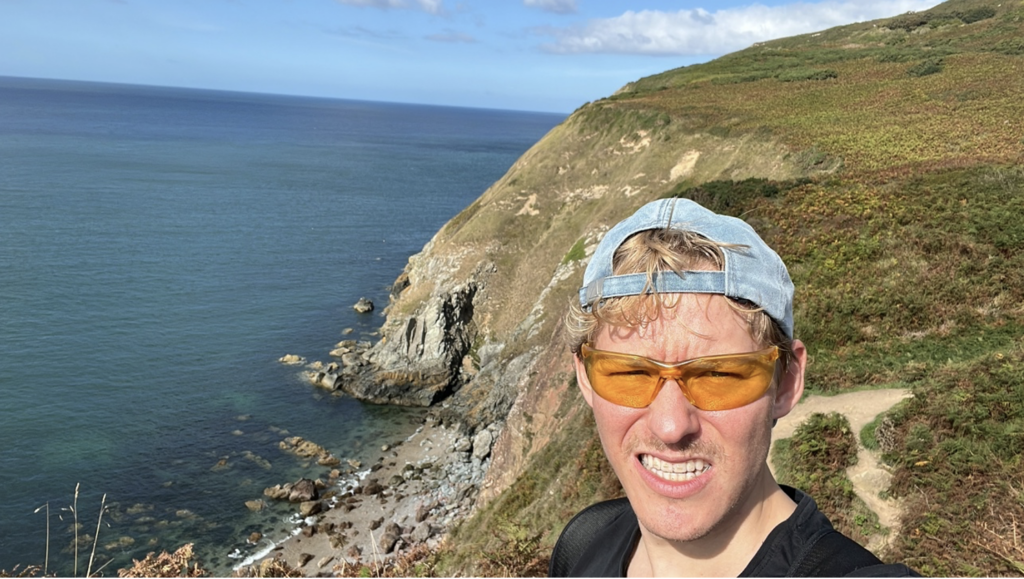
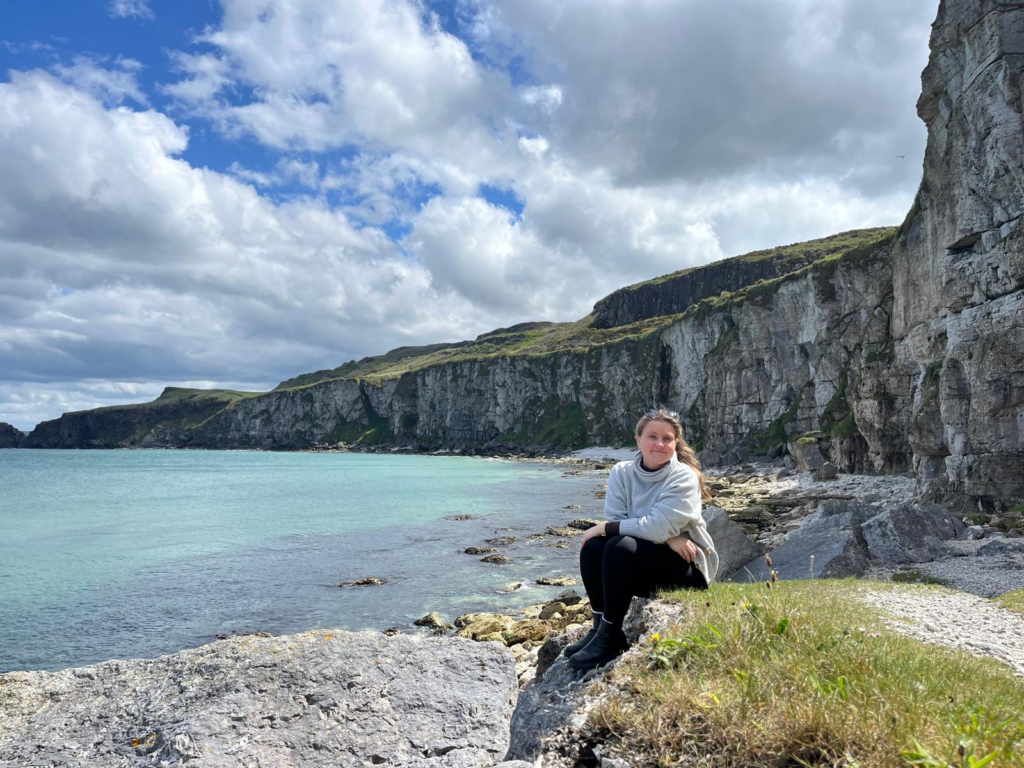
In Dublin (Howth), we walked 112 km for neuroblastoma; it was very beautiful.

Outside the lab, I developed a nice lunch routine: buying something at Dunnes (pizza!) and bringing it to St Stephen’s Green, just next to RCSI, whenever the sun was out, and also when it wasn’t, which was most days during my stay, unfortunately.
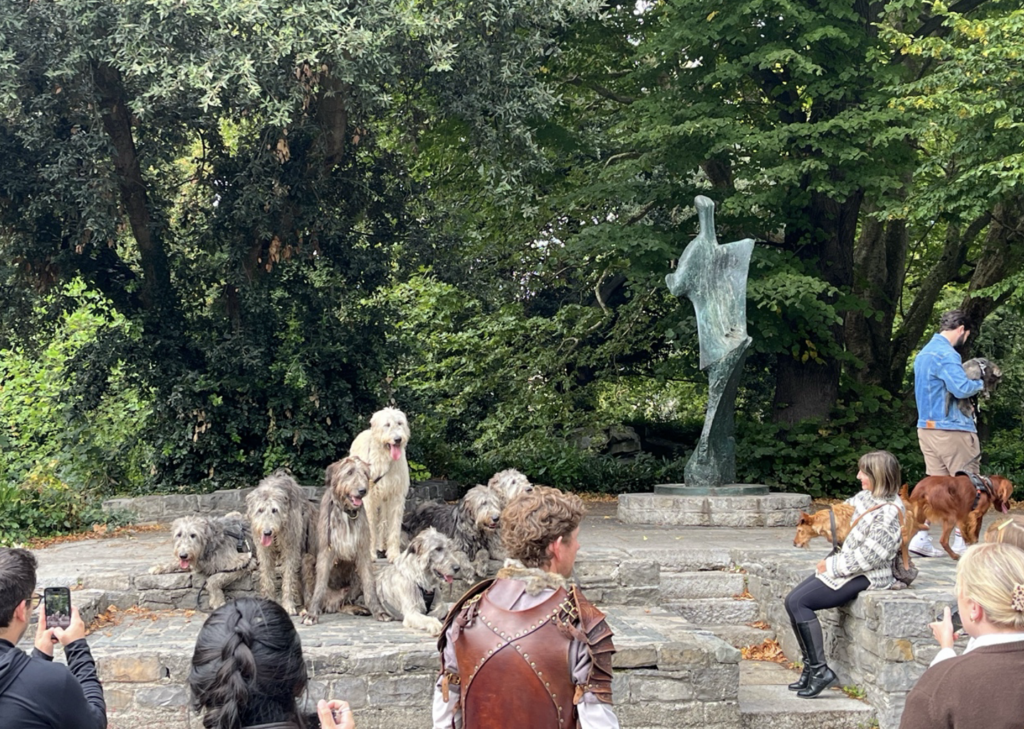
Another day in St. Stephen’s park. I was eating lunch and was asked to move by the man wearing the leather outfit, who happens to be a dog photographer.

Written by Simon Gramvik, Mac4Me MSCA DN
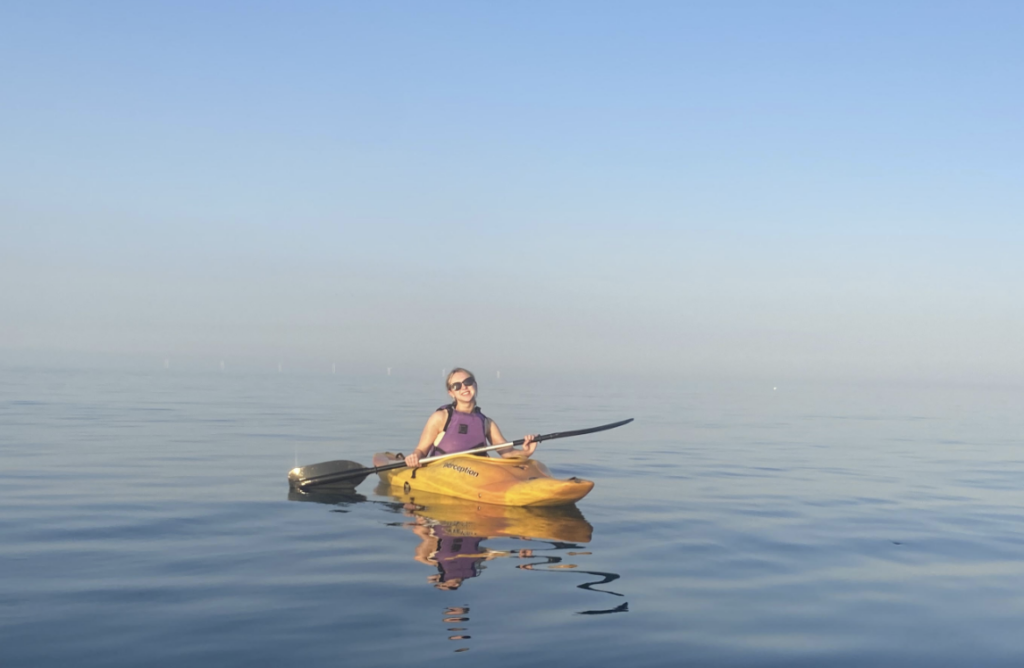
Hi! I’m Alannah

Hi! I’m Alannah, and I’ve recently joined Dr Olga Piskareva’s research group at RCSI to begin my PhD! I’m originally from Wicklow, Ireland, and completed both my BSc in Biotechnology and MSc in Diagnostics and Precision Medicine at Dublin City University (DCU).

Throughout my studies, I developed a particular interest in cancer biology and precision medicine, especially the potential for research to improve how we understand and treat cancer. Having previously worked on melanoma research, I’m really excited to explore a new area of cancer research, develop new skills, and take on the challenges that come with starting a PhD. I’m looking forward to seeing where the next few years take me!

Outside the lab, I love travelling, exploring new places, and making the most of any opportunity for an adventure! I particularly enjoy spending time outdoors, whether that involves hiking, discovering somewhere new, or just getting out and staying active. When I’m not travelling or in the lab, I also teach piano lessons, something I’ve been doing for several years and really enjoy!

I’m really looking forward to this new chapter and all the exciting experiences and opportunities ahead!

Written by Alannah O’Neill

Hi everyone! I’m Isabelle

Hi everyone! I’m Isabelle. I’m 24 years old, and I’ve recently joined Dr Olga Piskareva’s group to start my PhD. I’m originally from Germany, where I completed both my Bachelor’s and Master’s degrees before moving on to this new adventure.

My interest in science goes back further than I can remember, but one of my earliest memories is taking part in a microscopy course when I was in fifth grade. I found it fascinating to discover a whole new world through a microscope, and looking back, it’s quite nice to think that my curiosity back then eventually led me to where I am today! I’m excited to deepen my knowledge, take on new challenges, and see where this PhD journey takes me.

Outside the lab, I enjoy cooking, staying active through sports, reading, and catching up with friends. I’m always happy to find a good book to get lost in, and one of my favourites is The Love Hypothesis by Ali Hazelwood, which I absolutely loved!

I’m really looking forward to this new chapter, learning from everyone in the group, and getting to know everyone better! 😊

Written by Isabelle Pakulla, POI-2 PhD Student

Congratulations to a newly minted Dr Federica Cottone!

Summer is a holiday season for some and a hot time for others, regardless of the weather conditions. Federica was no exception. On Monday, July 27th, she successfully passed her PhD examination. A long marathon has been completed! Congratulations to a newly minted Dr Federica Cottone!!! Well deserved.

Huge thanks go to her examiners, Profs Brona Murphy (RCSI) and Oscar Bedoya Reina (Karolinska Institute) and the independent chair, Prof Darren Griffith!

Onwards and upwards!

Rabia Saleem: My Portuguese Journey

I’m in my third year of a PhD at RCSI and recently completed an RCSI-funded secondment. Reflecting on it, it has been one of my most enjoyable and valuable experiences so far. Coming back to Ireland after the secondment feels great. I’m feeling refreshed and eager to dive back into my work.

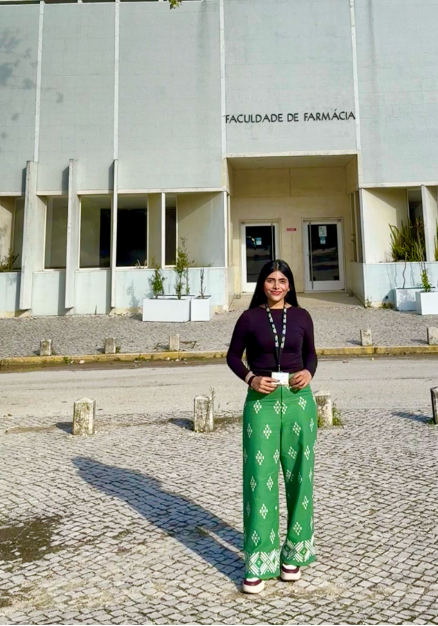
I spent my placement at the University of Lisbon’s Department of Pharmacy, working in Prof. Helena Florindo’s lab. Everyone was super welcoming, which made it easy to settle in and get started without any stress.

Most of my time in the lab was spent preparing biodegradable nanoparticles using a peptide from my project. I also got to run some ex vivo experiments and even joined in on in vivo work under supervision, a completely new and really exciting experience for me. The best part was seeing some promising results come through, which was really encouraging.

Outside the lab, Lisbon was just a lovely place to spend time. I picked up a little Portuguese, enjoyed the sunshine, and appreciated the relaxed pace.

Now that I’m back, I’m excited to finish up the last bits of my project and build on what I learned during the secondment. Overall, it was an amazing experience, both for my research and personally.

Written by Rabia Saleem, the IRC PhD student

Looking at Brain Tumors, One slice at a Time 

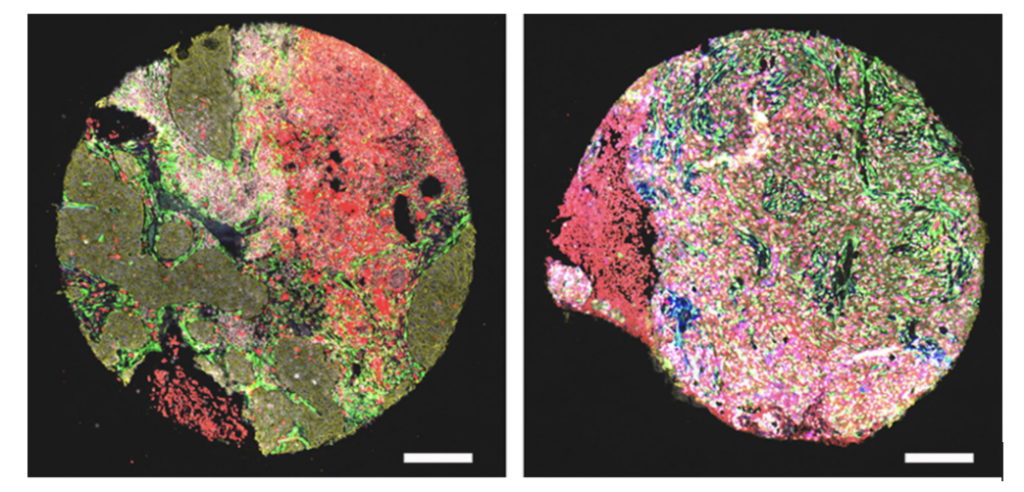
’m writing to you from the Biomedicum, a research facility at the University of Helsinki. As you can probably guess, I didn’t travel here for the Finnish weather, but to collaborate with a team that is part of the European Mac4Me consortium. This group specialises in a fascinating imaging technique called multiplex immunohistochemistry. In simple terms, they take patient tissue samples or samples created in the lab and cut them into incredibly thin slices—just 4 micrometres thick, which is about 4/100ths of a millimetre. They then use multiple rounds of staining with antibodies to visualise different tumour markers and map out exactly where these markers are located within the sample. You can see an example of this stained tissue below. 

Cutaneous squamous cell carcinoma samples stained for 4 different markers using multiplex immunohistochemistry. 
Viiklepp K Journal of Investigative Dermatology. 2025 

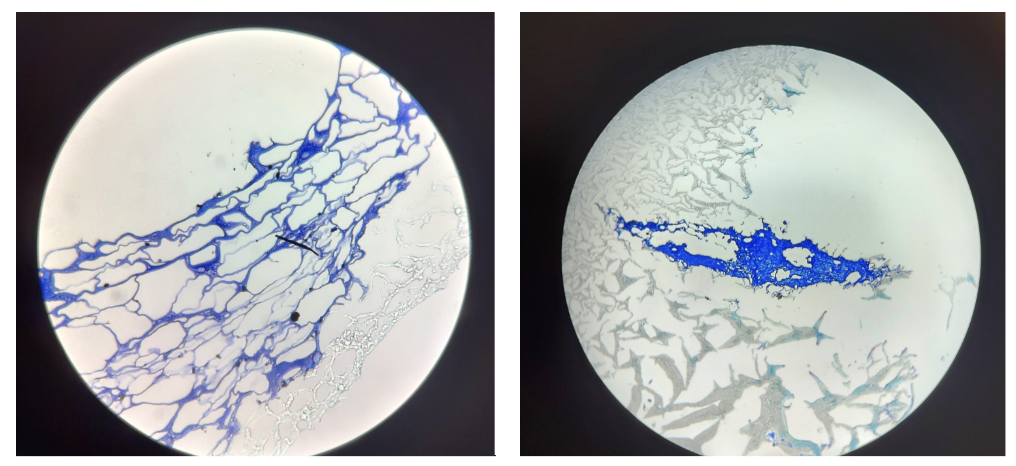
For this project, I brought along different versions of a “brain-like” hydrogel I’ve created in the lab. These hydrogels have varying stiffness and molecular compositions, and they contain Neuroblastoma tumour cells growing within them (you can see simple cell staining below). My goal here is to use the lab’s advanced imaging machine to observe how these tumour cells behave. I want to see if they are multiplying, if they seem stressed or healthy, and how they adapt to the different molecular environments of the hydrogels. 

This approach will be incredibly valuable for studying how the tumour’s surroundings—the microenvironment—influence the spread of Neuroblastoma to the brain. It will also help us understand what happens when we add new molecular components to the hydrogel to more closely mimic the brain environment. Looking ahead, I plan to use this same technique for an even more complex experiment: by growing immune cells together with the neuroblastoma cells, I hope to visualise and identify the specific pathways the cancer cells use to communicate with and potentially suppress the immune system. 

Neuroblastoma cell line (in blue) in a hyaluronic acid-based hydrogel. Day 1 left and day 5 right. 

Written by Pierluca Cancellieri, Mac4Me MSCA PhD

My 1st Mac4Me Secondment – Nottingham 2026

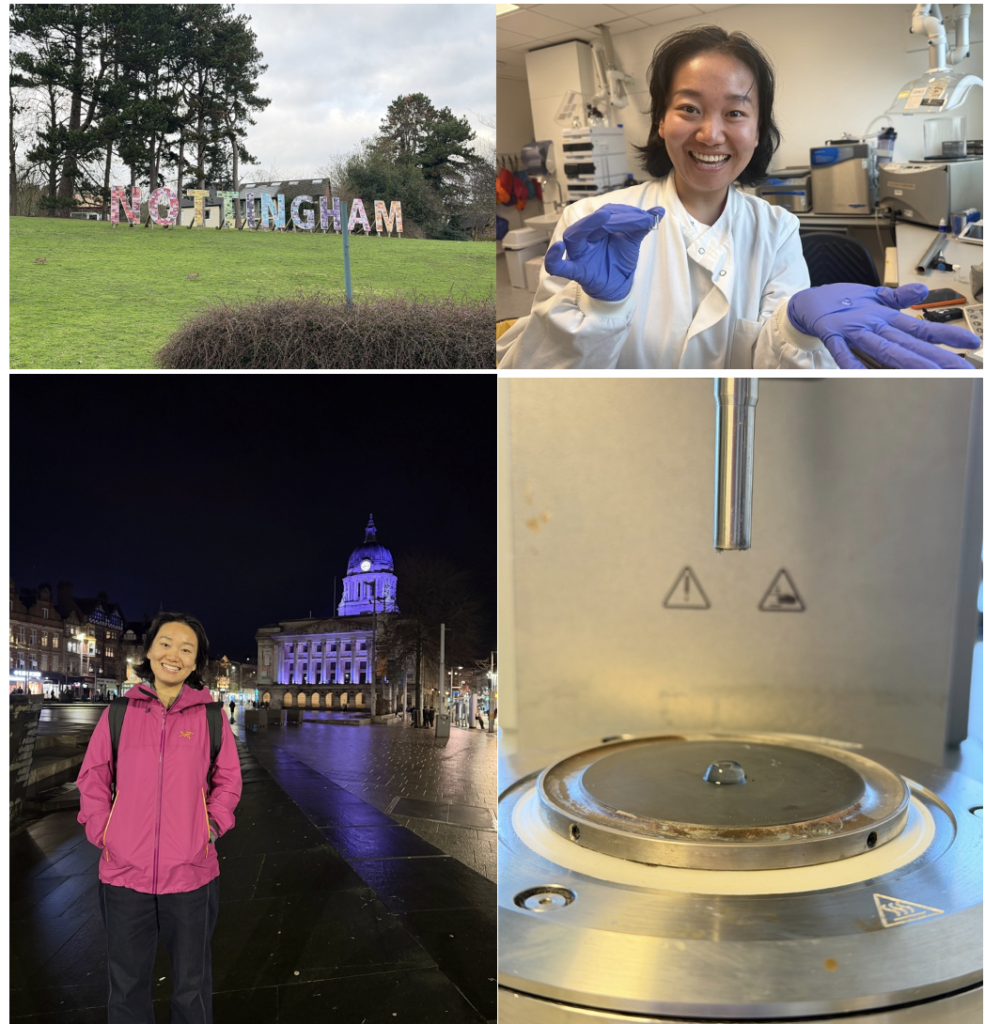
It’s great to be back! Returning to the University of Nottingham for my secondment with PeptiMatrix feels like coming full circle since finishing my undergrad here.

Stepping into the lab felt instantly familiar. Because I already knew the layout, I could breeze through the initial induction and training and get straight into the exciting part: the science.

I have to say, the lab is so well-organised, and it’s packed with some impressive new kit. I’ve already spotted an automated cell culture system and a 3D printer, but the equipment I’m most excited about is the rheometer, which will be central to my project.

I also got hands-on right away, learning how to make peptide hydrogels and even how to encapsulate cells into them. It’s amazing to see the building blocks of tissue engineering coming together right before my eyes.

There are plenty more cool things planned for the coming weeks. I’ll be sure to keep you updated on the journey.

Written by Chunyu Yan, Mac4Me PhD student

Two New-Minted PhD in 2025!

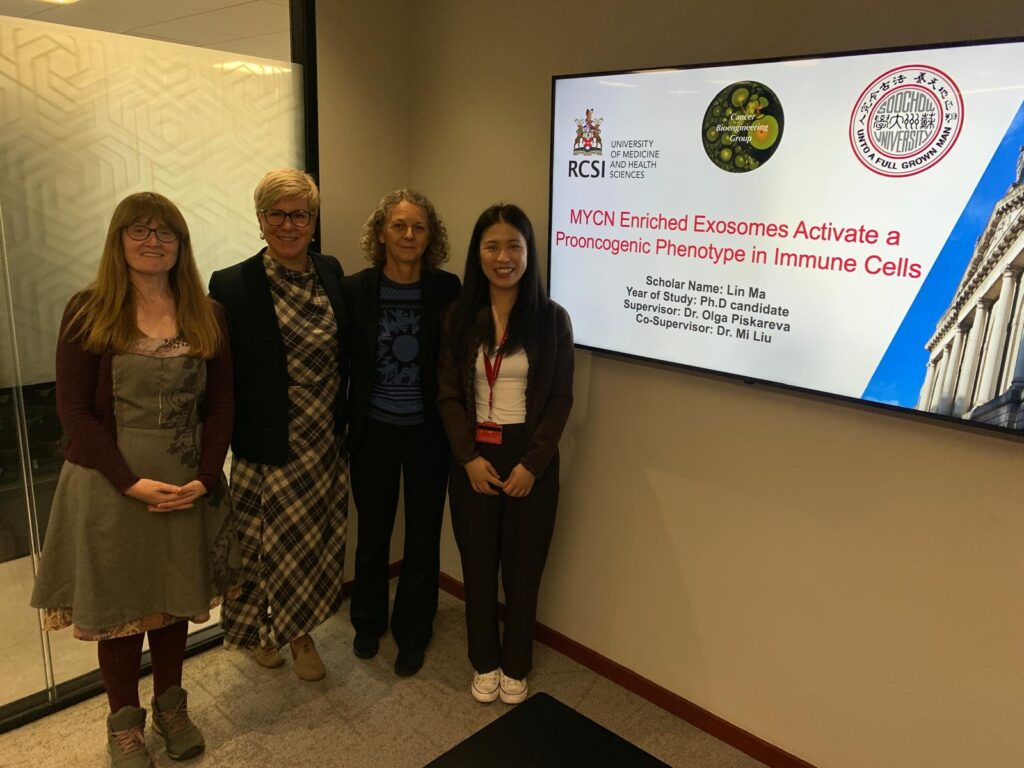
What a year – two young and talented postgraduate students have been minted with a Doctor of Philosophy Degree in September and December of 2025. They are Dr Lin Ma and Dr Ronja Struck. Hard work and dedication are the cornerstones of this challenging but rewarding journey.

They sailed through scattered showers and sunny spells, gale winds and stormy snow with sunshine developing elsewhere, turning chilly under clear skies on some days with temperatures below/above zero. The full spectrum of emotions and hard work was spiced up by the uncertainty of COVID-19 restrictions. Well done to Ronja and Lin!

My greatest thanks to Lin’s examiners Prof Sue Burchill (University of Leeds, UK),  Dr Joan Ní Gabhann-Dromgoole  (RCSI, Ireland) and the independent chair Prof Kevin McGuigan (RCSI, Ireland)!!

My greatest thanks to Ronja’s examiners, Prof Martina Rauner (Dresden University, Germany), Prof Fabio Quondamatteo (RCSI, Ireland) and the independent chair Dr Inmar Schoen (RCSI, Ireland)!!

This work would not be possible without the generous support from the Irish Research Council (Research Ireland) and the Conor Foley Neuroblastoma Cancer Research Foundation to Ronja, and from the RCSI-Soochow University StAR International PhD Programme to Lin.

Hi everyone! I’m Chunyu

Hi everyone! I’m Chunyu, and I’ve recently started my PhD journey in the field of bioengineering and neurobiology. My academic background includes an MRes in Biomedical Research from Imperial College London, where I developed a deep interest in microfluidic technologies and their applications in disease modelling. 

Currently, my PhD project focuses on identifying the function of macrophages—the body’s frontline immune cells—when they first interact with neuroblastoma (NB) cells using a brain and liver organ-on-a-chip (OoC) model. By recreating these organ environments on a chip, I aim to explore how macrophages respond to NB invasion and how this early interaction might shape the progression of the disease. This research could open new doors for early intervention and treatment strategies in childhood cancers like neuroblastoma. 

When I’m not in the lab, you’ll probably find me outside—going on hikes, enjoying a good swim, or finding a tasty Hotpot restaurant. I love blending my curiosity for science with a love for the outdoors, and I’m excited to share updates from both worlds as I go through this PhD journey. 

Thanks for stopping by, and stay tuned for more science and a few outdoor adventures along the way! 

Written by Chunyu Yan, Mac4Me DC

From Bench to Belfast 

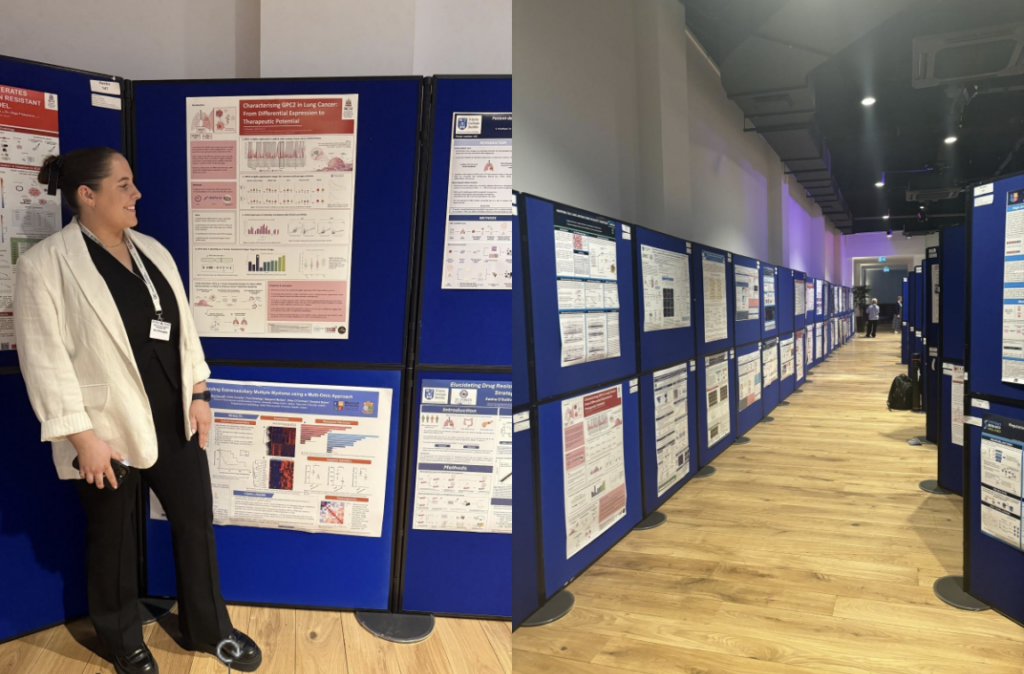
Thanks to the Breakthrough Cancer Research Education and Travel Award, I had the chance to attend the Irish Association for Cancer Research (IACR) Conference 2025 in Belfast—an insightful and rewarding experience. 

I presented a poster on my research into the regulation of GPC2 in lung adenocarcinoma and squamous cell carcinoma. The poster session was a great opportunity to share my work, receive constructive feedback, and speak with researchers working on similar topics. These conversations have given me new ideas to take back to the lab. 

One of the most valuable sessions for me was the “PPI in Action” workshop, which focused on making patient and public involvement more inclusive. It introduced me to new perspectives on how researchers can engage directly with patients and the public. I left inspired to explore starting a PPI group for lung cancer at my own institution. 

Another highlight was the Patrick Johnston Award session, where early-career researchers presented their work in lay terms. It was a strong reminder of the importance of clear, accessible science communication. 

Beyond the conference, I enjoyed exploring Belfast—Victoria Square offered amazing views, and the architecture around City Hall was well worth the visit. 

Overall, the conference was a great opportunity to connect, learn, and reflect. I’m very grateful to Breakthrough Cancer Research for supporting my attendance and look forward to applying what I learned to my research going forward. 

Written by Eve O’Donoghue