Hi Everyone! I’m Anusha

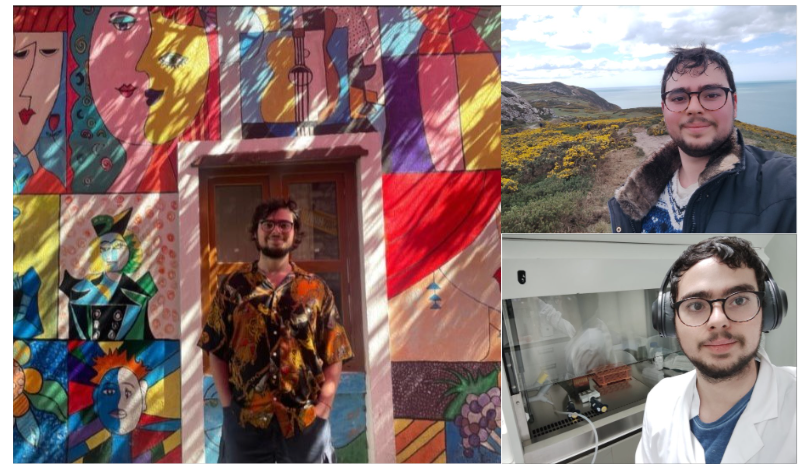
Hi, I am Anusha from India. I recently joined Dr Olga’s team at RCSI as a research fellow.  I completed my PhD in the development of nanomaterials for image-assisted cancer therapy. After that, I had an amazing run as a research scientist for 7 years, working in cancer immunotherapy. Work focused on the development of nanomaterials for the delivery of immunomodulatory drugs and on engineered adjuvants for therapeutic cancer vaccines. Then came my lil son Aadi, and I took a two-year break. When I was actively looking for positions after my break, I thought of writing a Marie Curie grant, and that’s how I met Dr Olga. Dr Olga then offered me a position at RCSI to work on neuroblastoma. I am just incredibly grateful for this opportunity and to be part of an amazing team, especially after being away from the lab for a while. It’s a new role, a whole new world here in Dublin, and I am waiting to see what exciting things come next.  

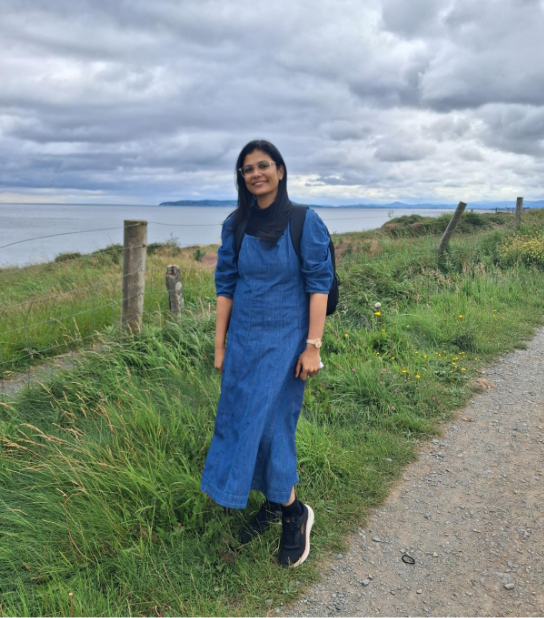
Falling in love with the Irish coast @ Donabate 

Written by Anusha Ashokan

How cancer cells communicate?

Hot off the press! The study carried out by Thomas Frawley during his PhD has just been published in Journal of Personalized Medicine.

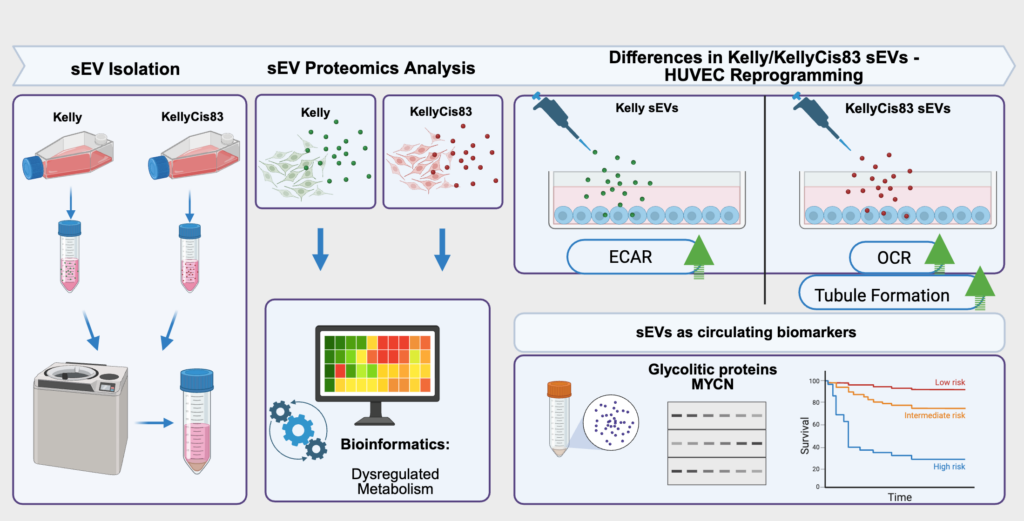
Cancer that is resistant to treatment is a big challenge because it often leads to lower survival rates. Tumour cells release small extracellular vesicles, which can influence other cells in the body by carrying various proteins. The study focused on understanding what proteins are in these particles from resistant and sensitive cancer cells and how they affect non-cancerous cells, like those involved in forming blood vessels. Our study discovered that these packages from resistant cancer cells contain special proteins involved in how cells produce and use energy. These findings suggest that these proteins could be used as markers to monitor disease progression or treatment response, using less invasive methods such as blood tests.

A schematic summary of Frawley’s study, also known as a graphical abstract. J. Pers. Med. 2025, 15(12), 584; https://doi.org/10.3390/jpm15120584 (registering DOI)

Understanding how resistant cancer cells influence their surroundings could lead to new ways of diagnosing and treating high-risk neuroblastoma. Detecting these proteins through blood tests could help personalise treatment strategies, making them more effective without the need for invasive procedures. This research opens the door to using tiny particles from blood to better understand how cancer progresses and responds to therapy.​

I’m Pierluca!

Good afternoon, readers! Pierluca here, writing to you as one of the newest members of this incredible team. For those who haven’t met me yet, I’m a PhD student joining the RCSI family for the next three years.  

My story starts in Brindisi, a charming harbor town in southeastern Italy. From there, my academic journey took me to the Netherlands.  During my two research projects, I explored how high-fat diets impact liver metabolism and investigated ways to prevent metabolic reprogramming and cell death.  

Now, I’m bringing that curiosity to RCSI, where my focus is shifting to something even more complex: cancer metastasis. In the lab, I’ll research how neuroblastoma invades the brain to form metastases. Using 3D bioprinting and scaffold models, I’ll grow Neuroblastoma Kelly and Kelly-cis cells to observe how they infiltrate brain-like structures and hijack the immune system.  

Science is intense, so balance is key! When I’m not in the lab, you’ll find me Hiking when the sun is shining or Playing cards in a cozy pub when the rain pours. Cooking with friends is a great way to spend some relaxing time at home and when I am alone, I enjoy a good book (currently reading The Master and Margarita, highly recommend!). 

Stay tuned for more about me and my research! 

Written by Pierluca Cancellieri, Mac4Me PhD student

Hi everyone! I’m Chunyu

Hi everyone! I’m Chunyu, and I’ve recently started my PhD journey in the field of bioengineering and neurobiology. My academic background includes an MRes in Biomedical Research from Imperial College London, where I developed a deep interest in microfluidic technologies and their applications in disease modelling. 

Currently, my PhD project focuses on identifying the function of macrophages—the body’s frontline immune cells—when they first interact with neuroblastoma (NB) cells using a brain and liver organ-on-a-chip (OoC) model. By recreating these organ environments on a chip, I aim to explore how macrophages respond to NB invasion and how this early interaction might shape the progression of the disease. This research could open new doors for early intervention and treatment strategies in childhood cancers like neuroblastoma. 

When I’m not in the lab, you’ll probably find me outside—going on hikes, enjoying a good swim, or finding a tasty Hotpot restaurant. I love blending my curiosity for science with a love for the outdoors, and I’m excited to share updates from both worlds as I go through this PhD journey. 

Thanks for stopping by, and stay tuned for more science and a few outdoor adventures along the way! 

Written by Chunyu Yan, Mac4Me DC

Colouring cells in research

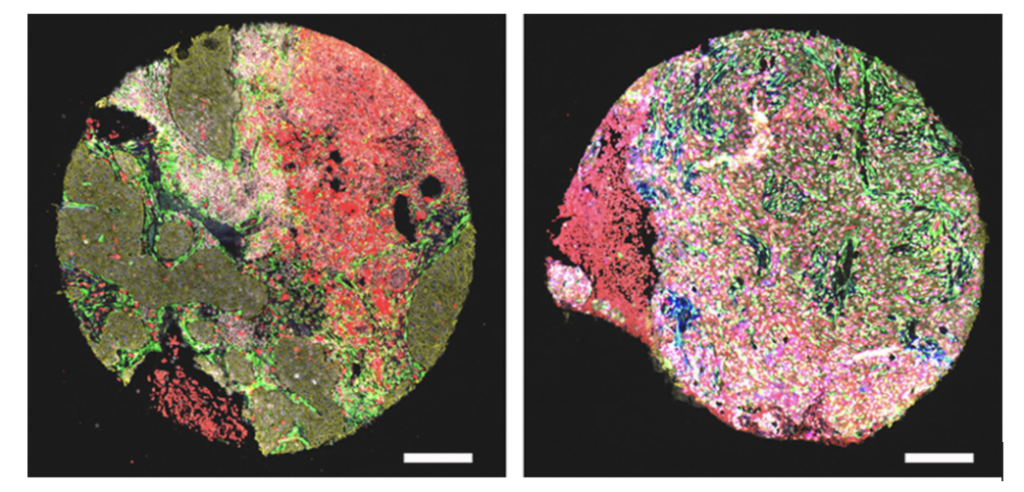
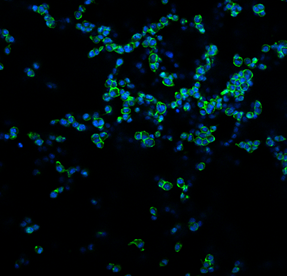
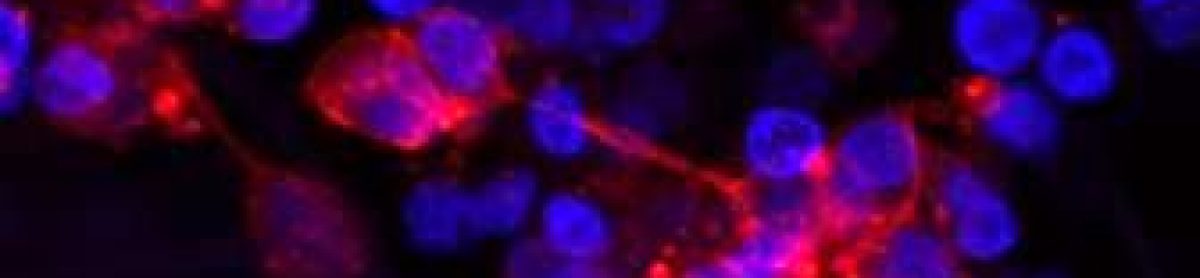
Sometimes, the most fascinating parts of science are invisible to the naked eye—like in these images captured with a confocal microscope! 

What you’re seeing here are DC 2.4 cells, a mouse dendritic cell line. These immune cells are key players in recognising foreign substances (like bacteria, viruses, or even cancer cells) and activating the body’s immune response. 

In this experiment, we cultured the DC 2.4 cells on a sponge-like material composed of collagen and glycosaminoglycans (GAG), two natural components commonly found in body tissues. This material is called a scaffold, and it provides cells with a 3D surface to grow on, more closely mimicking their natural environment within the body. 

To make the cells visible under the microscope, we used two fluorescent stains: 

  • DAPI (blue), which marks the nucleus—the control centre of the cell, 
  • Phalloidin (green), which highlights the actin filaments that give the cell shape and structure. 

We’re testing how well these immune cells survive, attach, and spread on the collagen-GAG scaffold over time. By utilising a 3D environment, we can gain a deeper understanding of how cells behave in more realistic conditions. This is especially important for research into cancer immunotherapy and vaccine development. 

This image tells us that the DC 2.4 cells can successfully grow and interact with the scaffold! 

Written by Federica Cottone

September is Childhood Cancer Awareness Month

 Childhood cancer is an umbrella term for many other types of this disease. Cancer is the 2nd most common cause of death among children after accidents.

Every September, many charities, researchers and parents of children with cancer work hard to raise awareness of this cancer. You may learn more about kids with cancer, their loving families, the doctors and caregivers who look after them and treat them, the young survivors of cancer and those kids and teens who lost their battle, and the scientists who work hard to find a way to stop childhood cancer.

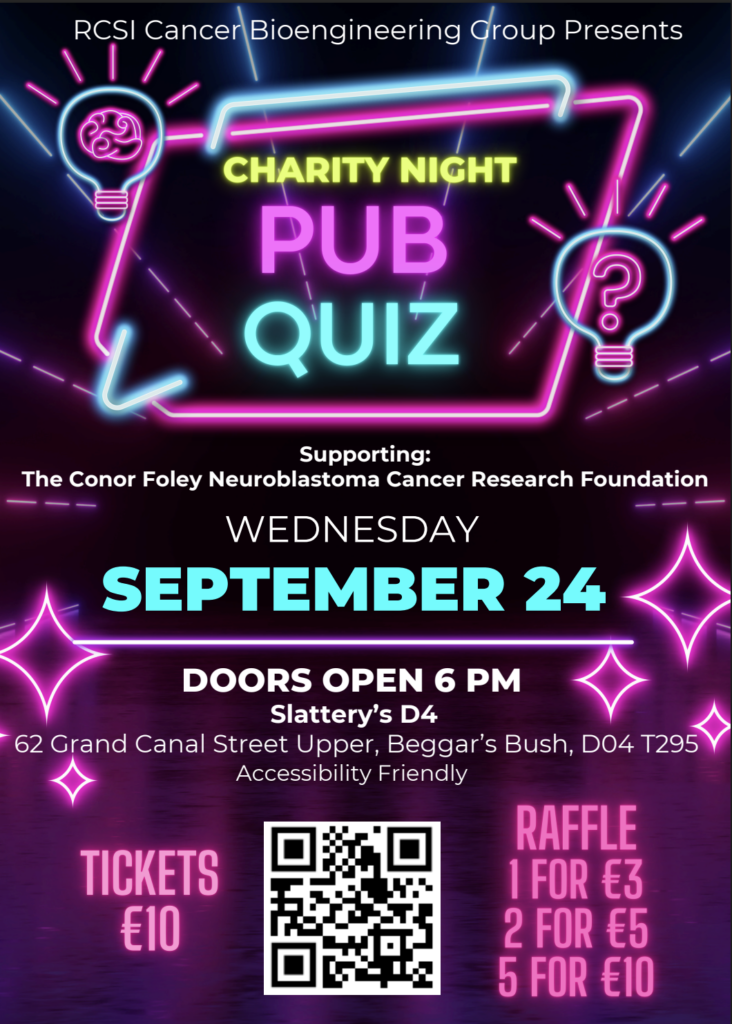
The RCSI Cancer Bioengineering group is excited to announce our upcoming fundraising event! Join us for a Charity Night Pub Quiz on September 24th at 6:00 pm in Slattery’s D4 pub., in honour of Childhood Cancer Awareness Month. All donations will go to the Conor Foley Neuroblastoma Cancer Research Foundation (CFNCRF).

Test your trivia knowledge, win great raffle prizes, and make a difference together! Our pub quiz is open to everyone, with friends and family encouraged to attend. We can’t wait to see you there! 

If you’re unable to make it but still want to support our fundraising efforts, we would greatly appreciate your donation. Please either buy the Raffle tickets or donate directly via the CFNCRF.

Charting New Territory in Neuroblastoma: A Marie Curie Fellow’s Perspective

As a DevelopMed Marie Skłodowska-Curie Fellow, I am committed to advancing childhood cancer research by investigating the biology of neuroblastoma, a complex and aggressive paediatric solid tumour. My research focuses on the high-risk form of the disease, where amplification of the MYCN oncogene is strongly associated with poor prognosis.

The project aims to elucidate the pathway crosstalk regulated by MYCN—specifically, how it alters normal cellular signalling and governs the critical cell fate decisions between proliferation and apoptosis. By employing mass spectrometry-based proteomics combined with systems biology approaches, I am constructing a comprehensive map of MYCN-driven signalling networks to identify potential therapeutic targets that could improve clinical outcomes for affected children.

A distinctive and rewarding aspect of my fellowship is my role as a visiting scientist at the Royal College of Surgeons in Ireland (RCSI), where I collaborate with Dr. Olga Piskareva’s lab, an internationally recognised leader in 3D neuroblastoma research. Here, I am gaining hands-on experience with 3D neuroblastoma spheroid culture systems, which more accurately recapitulate tumour behaviour compared to traditional 2D models. These advanced systems enable a deeper understanding of drug responses, tumour architecture, and cellular interactions in a physiologically relevant context.

This collaborative framework between UCD and RCSI fosters a dynamic, translational research environment and exemplifies the core values of the Marie Curie programme—innovation, collaboration, and real-world impact.

Every stage of this journey—from pathway elucidation to 3D model validation—contributes to the overarching goal of developing more effective, targeted therapies for children diagnosed with neuroblastoma.

Written by Rashmi Sharma

From Bench to Belfast 

Thanks to the Breakthrough Cancer Research Education and Travel Award, I had the chance to attend the Irish Association for Cancer Research (IACR) Conference 2025 in Belfast—an insightful and rewarding experience. 

I presented a poster on my research into the regulation of GPC2 in lung adenocarcinoma and squamous cell carcinoma. The poster session was a great opportunity to share my work, receive constructive feedback, and speak with researchers working on similar topics. These conversations have given me new ideas to take back to the lab. 

One of the most valuable sessions for me was the “PPI in Action” workshop, which focused on making patient and public involvement more inclusive. It introduced me to new perspectives on how researchers can engage directly with patients and the public. I left inspired to explore starting a PPI group for lung cancer at my own institution. 

Another highlight was the Patrick Johnston Award session, where early-career researchers presented their work in lay terms. It was a strong reminder of the importance of clear, accessible science communication. 

Beyond the conference, I enjoyed exploring Belfast—Victoria Square offered amazing views, and the architecture around City Hall was well worth the visit. 

Overall, the conference was a great opportunity to connect, learn, and reflect. I’m very grateful to Breakthrough Cancer Research for supporting my attendance and look forward to applying what I learned to my research going forward. 

Written by Eve O’Donoghue

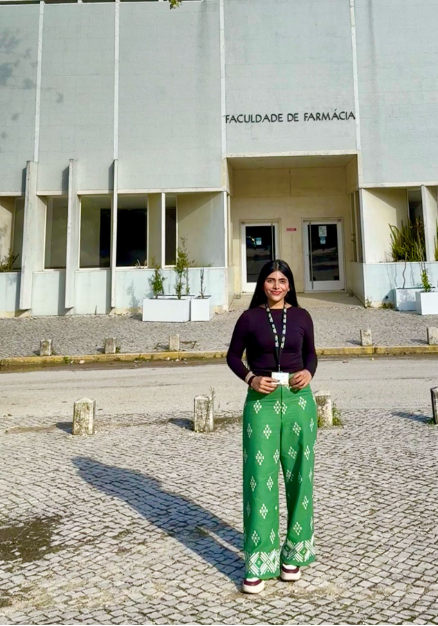
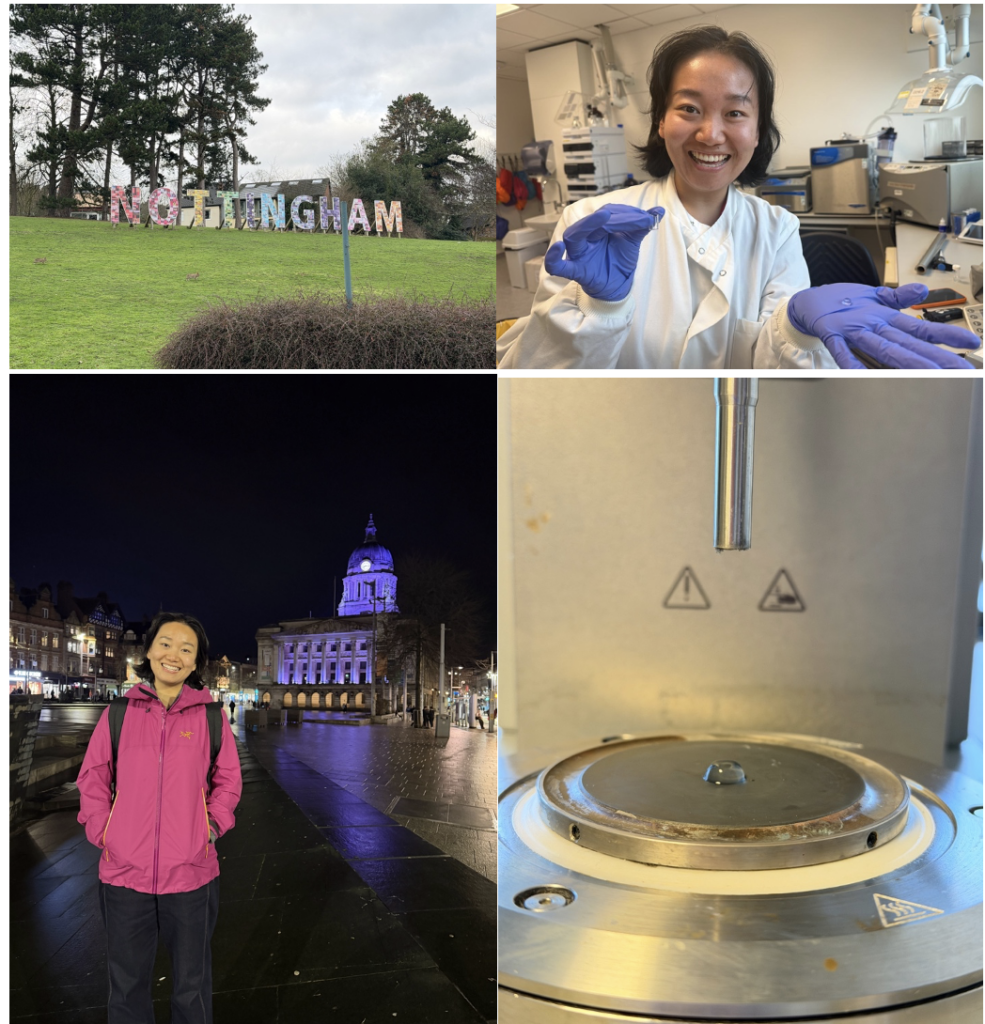
My Chinese leg of the PhD journey

Hi, it’s Lin again!  

Welcome to my first blog post of the year—and the first in two and a half years. You might be wondering what I’ve been up to during that time. Let me catch you up! 

I’m currently pursuing a joint Ph.D. programme between the Royal College of Surgeons in Ireland (RCSI) and Soochow University (SU) in China. For the past two years, I’ve been based at SU. My project has offered me a unique opportunity to experience and compare research environments across two countries, each with its own strengths, workflows, and lab cultures. 

So, what is it like working in a Chinese research lab? 

Beyond the routine experimental tasks, one of the standout features of this lab is its comprehensive capacity for conducting animal studies—all performed in strict accordance with ethical guidelines. I’ve had the opportunity to observe and work with a wide variety of laboratory animals, including mice and rabbits. Interestingly, depending on the specific needs of a project, researchers can even select animals based on precise characteristics, such as coat colour or genetic background. 

In addition to lab work, the research environment here provides frequent opportunities to attend academic conferences and participate in scholarly exchanges. These events are invaluable for sharing findings, building professional networks, and exploring future collaborations—both nationally and internationally.

Outside the lab, work-life balance is also encouraged. My colleagues and I often take part in group outdoor activities like cycling around the nearby lake, camping, and barbecuing. These shared experiences not only bring joy to our daily lives but also help foster stronger team spirit and collaboration.

And the good news is – I have just submitted my PhD thesis! Onwards and Upwards!

Written by Lin Ma

Hi, I’m Eileen

I am excited to have joined the Cancer Bioengineering lab. I am passionate about studying the tumour microenvironment with the aim of understanding cellular interactions involved in tumour progression. My current work focuses on developing a 3D-printed model of prostate cancer. 3D models help us study cell-cell interactions, how cells interact with their environment, and respond to therapies. 

I carried out my PhD and postdoc at University of Galway under the supervision of Dr. Aideen Ryan and Abhay Pandit, where the main focus of my project was on the optimal development of a multi-cellular 3D model of the colorectal cancer tumour microenvironment for screening colorectal cancer therapeutics. Throughout my experience, I have developed extensive skills in isolating and culturing primary cells, culturing cell lines, developing and maintaining spheroid cultures, working with a variety of hydrogels, carrying out flow cytometry, confocal microscopy and RT-qPCR. I really believe 3D models offer us great tools for understanding the tumour microenvironment and have previously developed a 3D collagen-based spheroid model of colorectal cancer, which allowed us to study the interactions between colorectal cancer cells and stromal and immune cells in the colorectal tumour microenvironment. I am really looking forward to transferring the skillset I obtained prior to working in RCSI to my project here. 

Outside of the lab, I really enjoy going for sea swims, hikes, saunas/cold plunges and going on mini road-trips around Ireland. I am looking forward to visiting all the swimming spots along the east coast of Ireland this year and am excited to contribute more to the field of cancer research. 

Written by Eileen Reidy