In the Spotlight at EACR Virtual Congress

In early April, shortly after attending the Irish Association for Cancer Research (IACR) virtual conference, I was delighted to find out I had been selected for a “Poster in the Spotlight” presentation at the European congress in June. I was invited to give a 10-minute presentation about my research on finding new immuno markers for drug-resistant neuroblastoma. This would be my first time presenting at a conference outside of Ireland (though I remained in my home in Dublin and not in the hoped destination of Turino) and so it was a very exciting experience!
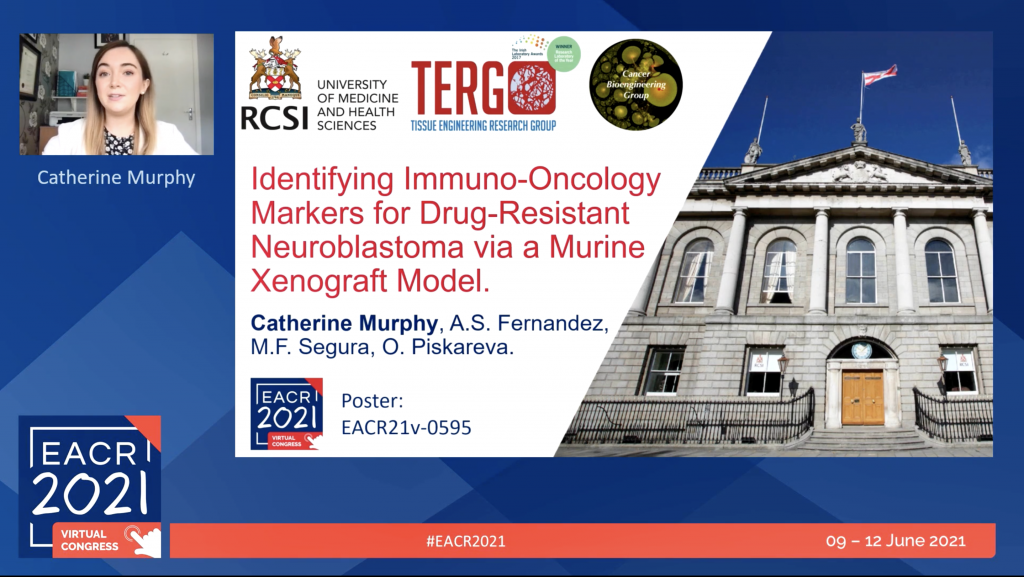
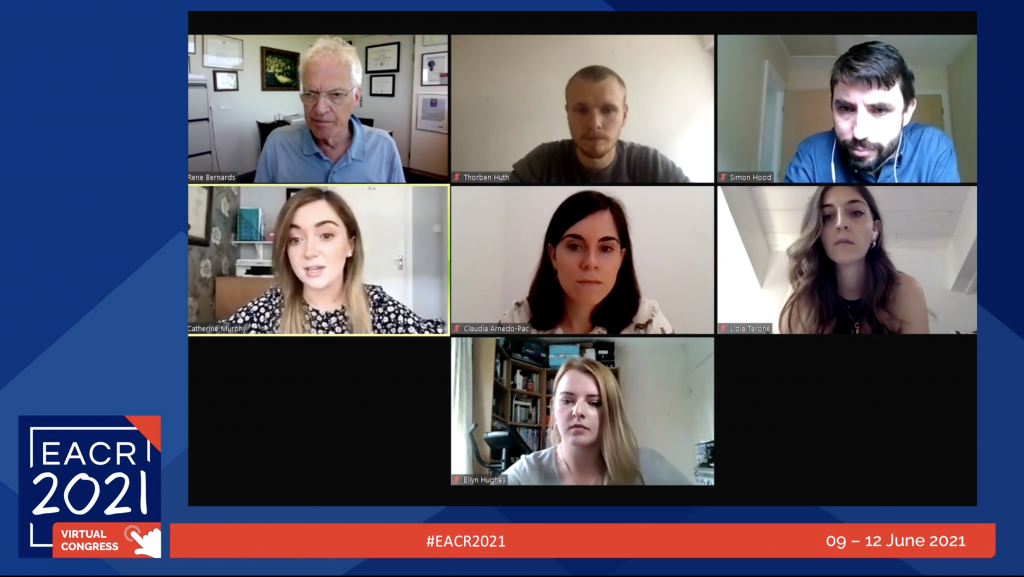
On the morning of my talk, I logged onto zoom to meet the EACR session organisers and the other speakers in my session – a mixture of PhD students and Post-doc researchers from Germany, Spain, Italy and the UK. Each of our talks was then broadcasted to the virtual congress platform where cancer researchers around Europe could tune in.

After the presentations, we joined a “Meet the Speakers” session where we could chat with those who had tuned in, answer questions and open up some research discussions. I was asked one question from a researcher doing similar work to me on how I investigate the relationships between certain genes in cancer, and I was able to refer her onto the software I use – I hope this aids her research, as that’s the real aim of attending these conferences!
Following this, it was time to relax and watch some of the other interesting talks taking place in the congress. The EACR were running a photo competition to show where you were watching from in order to win a place at the 2022 congress in Seville. So, I took this opportunity to take my laptop out to the back garden and watch the congress in the sun, getting a selfie for twitter with #NotQuiteTorinoEACR2021. Fingers crossed by this time next year travelling for international conferences will be a reality for researchers once again!
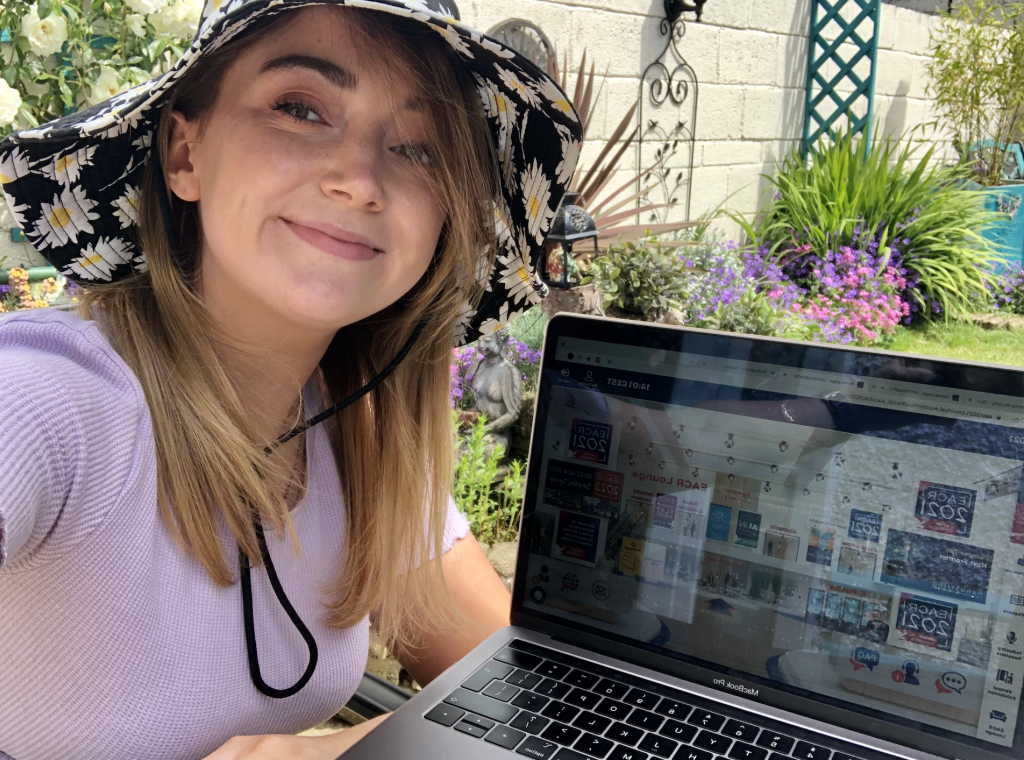
Catherine Murphy, Neuroblastoma UK funded PhD student
Sparkles of A Researcher Day

Once I mentioned the importance of the publication track record for a career in science. My team has been productive despite the COVID pandemic. Two review articles were published.

The first was a review written by Tom and published in Cancers focusing on the small extracellular vesicles produced by cancer cells that can transfer various growth signals to the tumour microenvironment aka neighbourhood and promote tumour expansion. The signal in focus was a protein called epidermal growth factor receptor (EGFR). It contributes to the healthy fitness of many different cells in the body. However, many cancer cells produce an excess of this protein giving them an advantage of growth over normal cells. Increased EGFR can be seen in breast, lung, glioblastoma and head and neck cancers.

Cancers 202012(11), 3200; https://doi.org/10.3390/cancers12113200

The second review has been published in Journal of Personalized Medicine on March, 16th. Originally, it was a small review project for Nadiya, a medicine student, last summer. However, it became a big one with all data systematically collected, analysed and condensed. The focus of this review was on Retinoic Acid (RA), widely known as Vitamin A and its role in neuroblastoma. RA plays a vital role in human development. The main feature of RA is to push neuroblastoma cells to become neuron-like cell stopping their aggressiveness and cancer fate. So, we wanted to know more about the ongoing research both in the labs and the clinic. We reviewed primary research articles reporting basic and translational findings as well as clinical trials. Hopefully, it would help other researchers to get a full picture of this topic and a structured resource of experimental models and drugs tested.

J. Pers. Med. 202111(3), 211; https://doi.org/10.3390/jpm11030211

International Childhood Cancer Awareness Day 2021

Every year, we celebrate Childhood Cancer Awareness Day Internationally. Pre-COVID times, it was straightforward to do a coffee morning, a bake sale, or as we did a Hot Chocholate morning.

To be honest with you, I had almost no presence of childhood cancer in my life until I joined Prof Stallings lab in 2011. When I said ‘almost’, I meant during my adulthood.

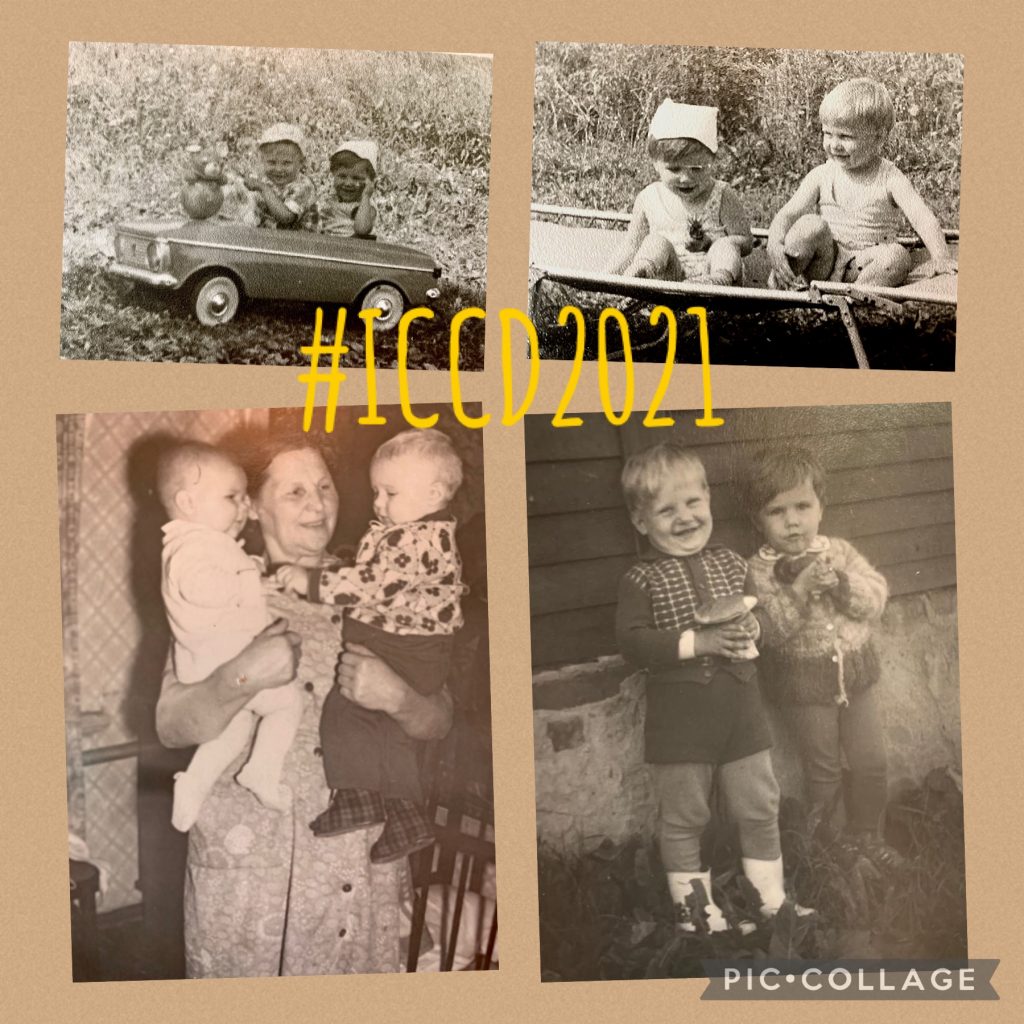
My Dad had a younger brother, both started their families at the same time. Our families used to spend a good time together, holidays, birthdays and weekends together. Both I and my cousin Igor were born almost within a year. I remember our play days together but at the level of feelings and stories told by my parents. In the pic, we were held by my nanna.

I do not have a pic where we were 3- or 4-years old. No pic was taken after Igor was diagnosed with blood cancer. He was 1-1.5-year-old. He travelled 800km to the best paediatric oncologists to receive the most progressive treatment back then. It extended his time with the family by four years. But he lost his battle…

How much can remember a 1-, 2-, 4- years old? My last memory – Igor was sleeping in a neat coffin. Adults were muttering. I remember, a tear slowly rolled down from Igor’s closed eyes. I naively asked my nanny why did the dead cousin cry??? He did not want to leave us, – said my nanny softly. 

Back then parents were not much informed on the disease, treatments, odds and alternative options. Igor was suffering, no pain relief options were available… No palliative care… Remember my nanny’s words: “These doctors had no hearts. All this child needed was a sense of peace, quiet time with his parents away from the hospital wards”. 

Many things have changed since then. Eight out of 10 children with blood cancer are responding to treatment well, they reach adulthood, may even have kids of their own. However, there are some types of childhood cancers that do not respond well and can return to being more aggressive. Cancer steals the child’s future. One of the thieves is neuroblastoma, a solid tumour of undeveloped nerves.

Childhood cancer research is essential to return happy days to kids and their families. Many childhood cancer research charities do their best to secure funds and support researchers like me. It is vital to have a continuous investment in research that helps to understand the weakness of childhood cancer and develop new drugs designed exclusively for kids.

Today I want to thank 3 charities for their hard work: Children’s Health Foundation Crumlin, Neuroblastoma UK and the Conor Foley Neuroblastoma Cancer Research Foundation. And ask you, my readers, to donate to a childhood cancer charity of your choice.

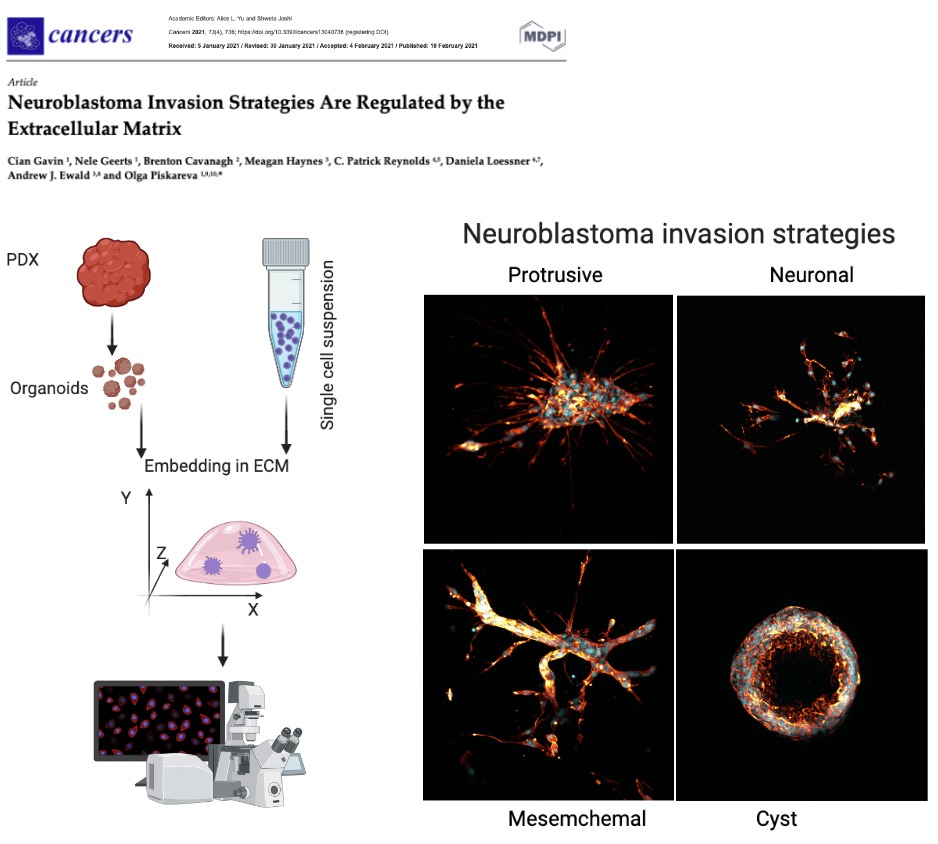
How neuroblastoma cells spread?

Since I joined neuroblastoma research, I have been puzzled by the fact that half of the children with neuroblastoma have the disease spread at the time of diagnosis. It is still a puzzle whether cells spread and primary tumour growth happen simultaneously or more adventurous cancer cells escape the primary tumour location later.

At a cancer conference, I met Prof Ewald who studies this process in breast cancer. I was fascinated by the approach and started to look for opportunities to join his lab. To tell the truth, very few exist for mid-stage career scientists! One of them is the Fulbright program.

One day, I opened my email saying that I received a Fulbright-HRB Health Impact Scholar Award to travel to Johns Hopkins University and adapt their 3D models to learn how neuroblastoma spreads. It was a life-changing experience both personally and professionally. The amount of experimental data collected over 4 months of work did not fit a 1TB memory stick! Indeed, this short journey was just a start of a new research inquiry.

On my return home, the greatest task that remained was to make sense of every single experiment. Cian Gavin took over and spent almost a year systematising, characterising it, and placing it into a context. It was meticulous work with very little known about invasion strategies in neuroblastoma. Now, we are happy to share our findings published on Cancers.

Where do we go now? Well, our next step is to understand the cellular players behind neuroblastoma invasion and how we can target them to stop neuroblastoma spread. It won’t be a short and sweet journey, but we are ready for it!

This fantastic and rewarding work was supported by Fulbright Commission Ireland, National Children’s Research Centre, Health Research Board, Science Foundation Ireland, the National Institutes of Health/National Cancer Institute (Prof Ewald), Alex’s Lemonade Stand Foundation for the COG Childhood Cancer Repository (Prof Reynolds) and the National Institutes of Health/National Cancer Institute (Prof Reynolds).

Fascinating small discoveries within 5km radius

Any restrictions bring challenges, we all know that. COVID related are not different. It is possible to strive and feel explorative!

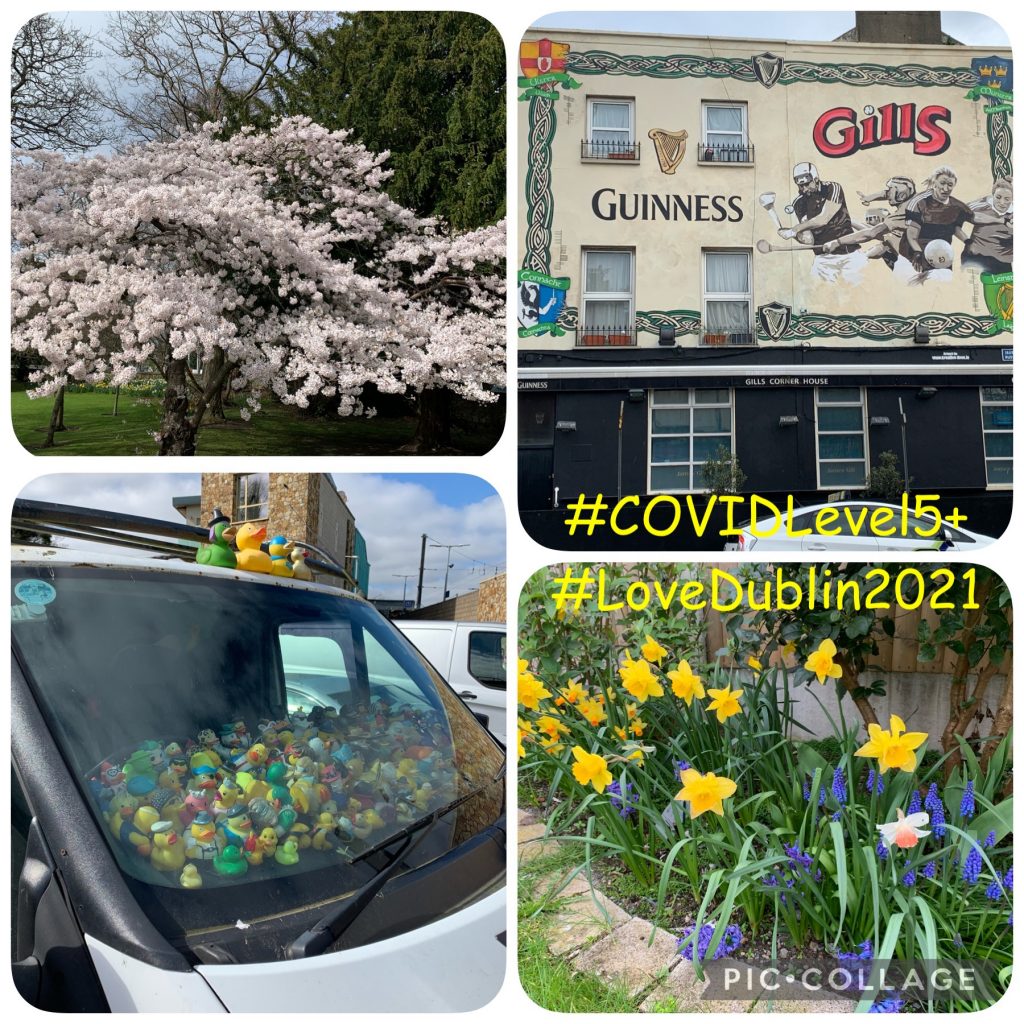
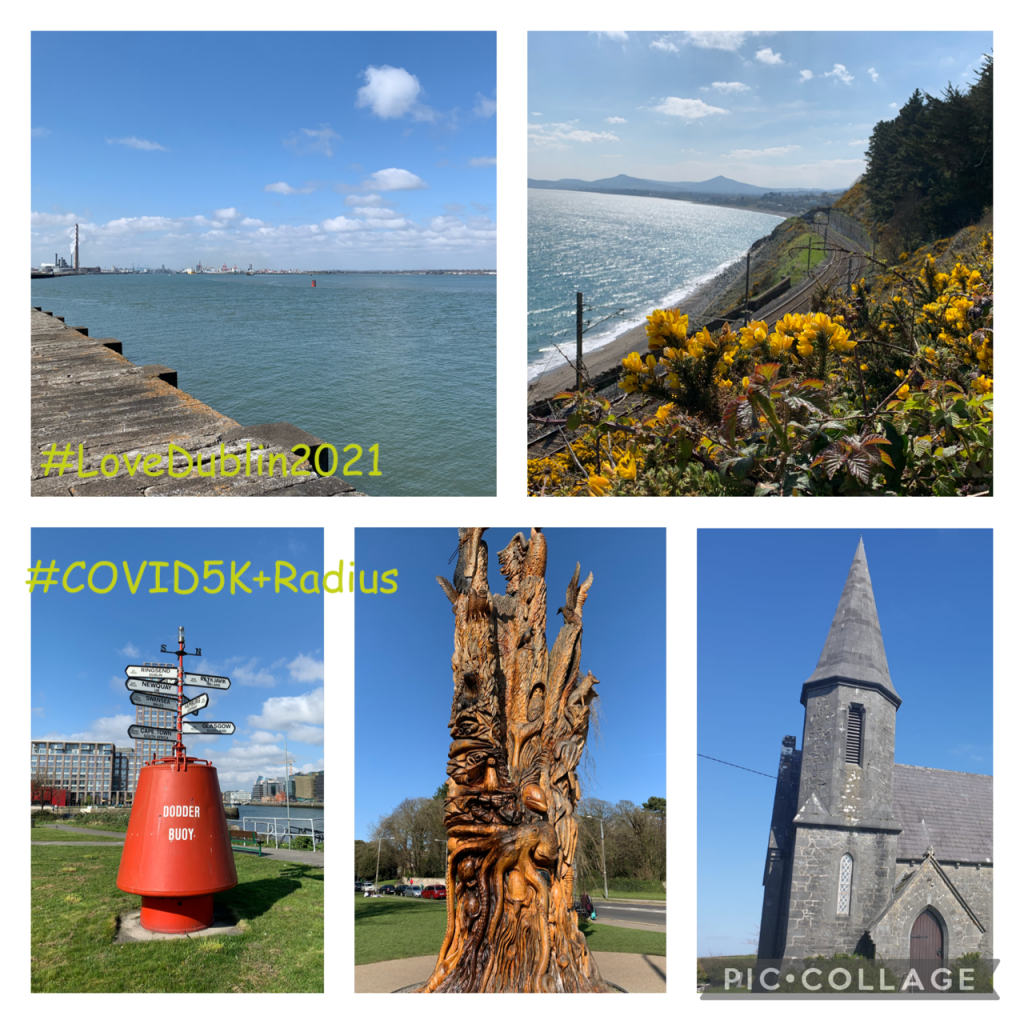
Level 5+ restrictions left us with 5 km radius of activities to keep us fit and mentally healthy. My brain pictured some distances within probably 30-35 min walk from home assuming my average walking speed at 10-12 km/hr. Two big TESCOs, two LIDLs and one M&S, DCU, Clontarf Castle. Not too bad, I thought.

However, the neighbouring estates became small and too familiar after 14 days of evening walks. The solution was found with an app measuring radius on the map. What a surprise it was to discover that my work is just 200 m outside the 5 km radius! All north city centre and even Grafton street are within 5km!

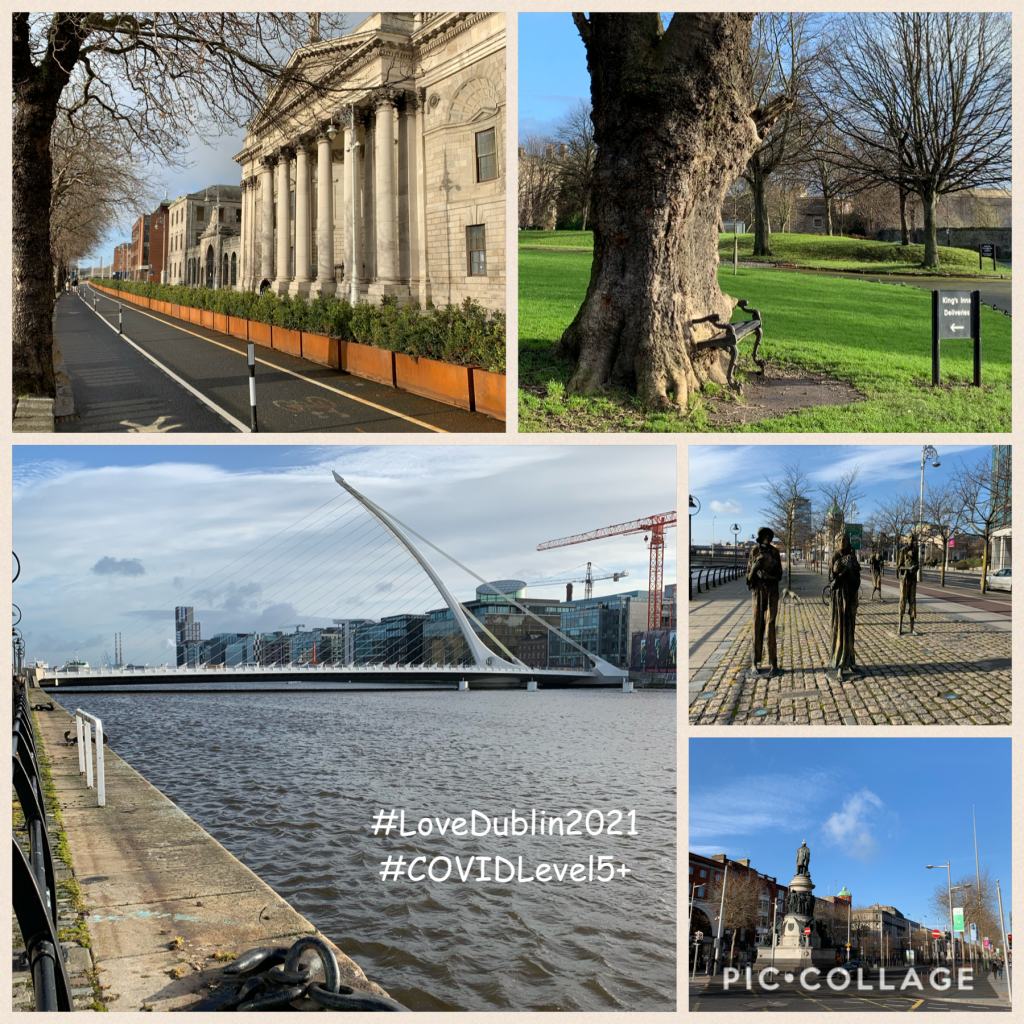
So, the Saturday explorative walk went through DCU, the Botanic Gardens, along Liffey, crossing O’Connel street towards Docklands, back home through East Wall and Fairview Park staying on the north side all way through.

Making many small discoveries and notes of changes in city infrastructure coloured my walk on a chilly sunny day. Not many people were around and the majority had their masks on. Everyone tried to keep social distancing and behaved responsibly with very few exceptions.

My favourites are the Hungry or Eating tree in King’s Inn Park, and Samuel Beckett Bridge. Pleasant to see the upgrated infrastructure for cyclists in some places – great job by Hazel Chu, the current Lord Mayor of Dublin.

Hello, 2021!

So, the 2021 has begun and the COVID-19 is still challenging us.

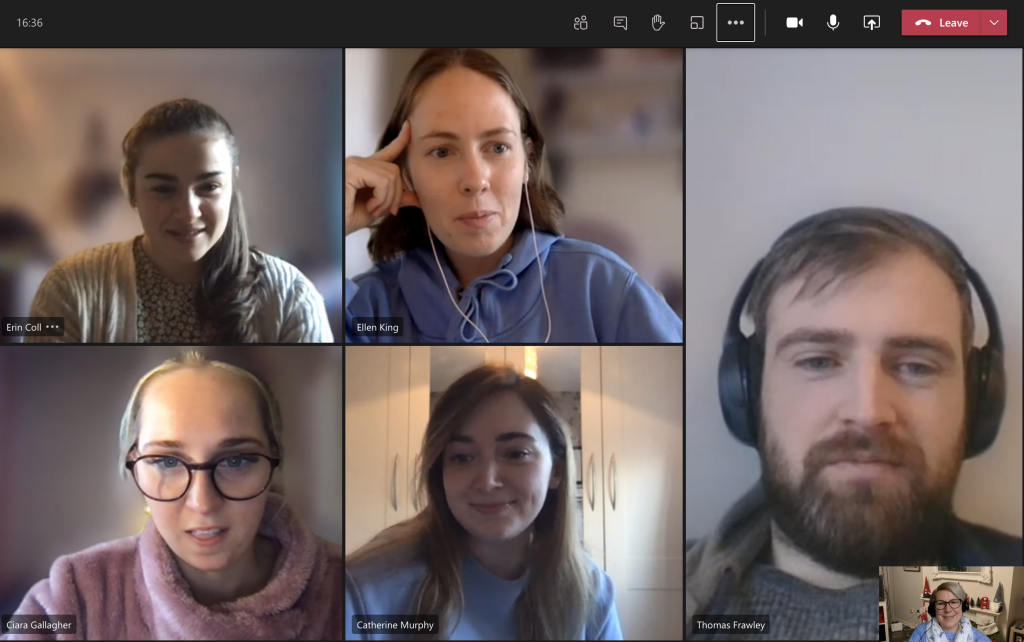
Our first lab meeting this year was on Weds, and our, now traditional, coffee morning has happened today. It usually happens on Fridays.

What did we chat about for almost an hour? Well, about making favourite pet’s drawing as Christmas gifts, the development of bicycle’s and bus’ infrastructure, baking recipes, new life targets, like reading more books and doing more healthy stuff.