One Day of the Life as a Researcher: PhD student

You may wonder whether I re-submit the same. the third time? Actually, our team has 3 ongoing PhD students and one starting from October. So, here we are. Three identical titles so far but different journeys. Today, it is Tom’s turn to tell his story.

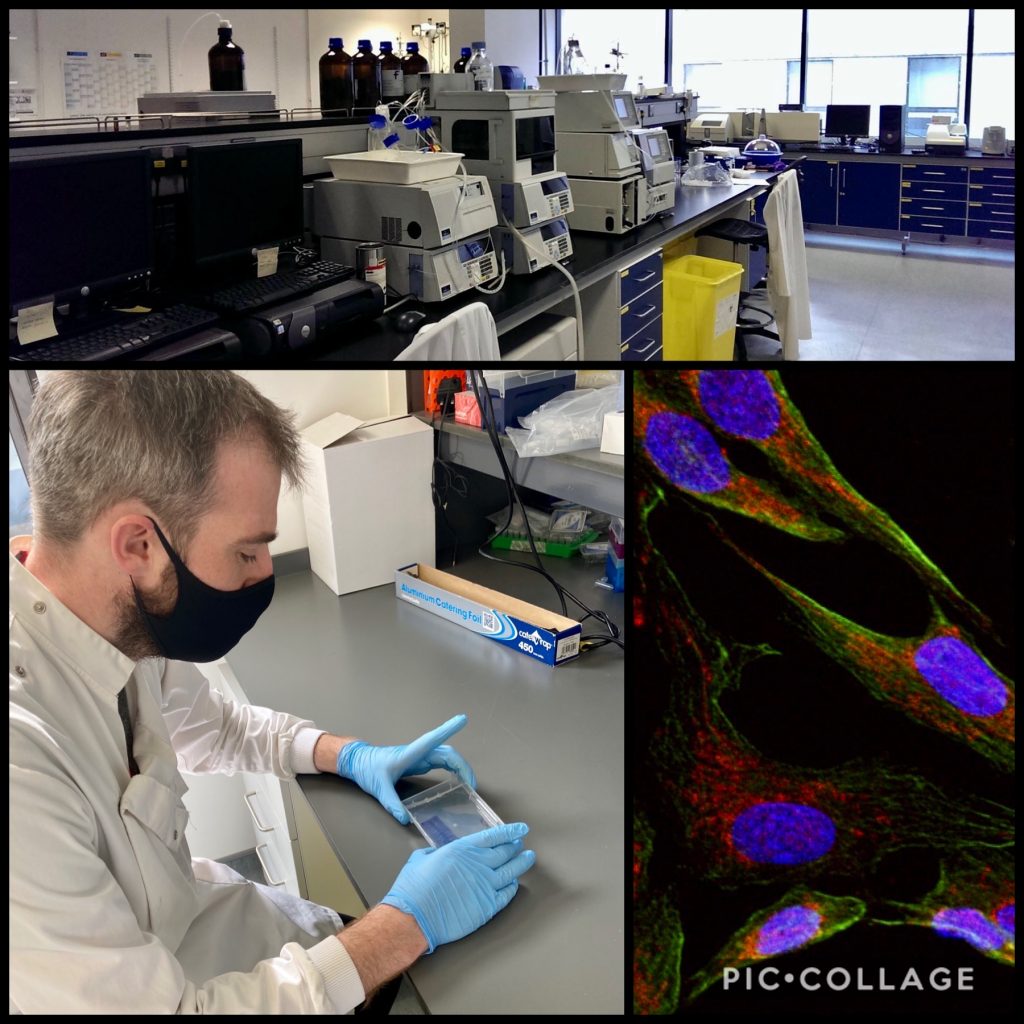
Three years I ago I decided to try my hand at some cancer research and quit my job as a medical scientist in a diagnostic lab. I am now in my third year of a PhD and I am certain I made the right choice. It was a challenging transition from working in an environment with a lot of automation and standard operating procedures to one where you have to figure out everything for yourself! However, I think that that learning experience has allowed me to adjust quite well to all of the COVID-19 related upheaval. 

Pre-pandemic you could saunter between your office and the lab as often as you pleased, you had a choice of at least four different places to go for coffee on campus and you could squeeze into a packed lift to avoid the stairs to the lab. Now a day in the lab is quite different. We have to book lab space online, social distance from our colleagues, frequent hand washing and wear a mask at all times.
Tom Frawley

These days I plan all my lab work and book lab bench space the week before. On a typical day I split my time between the lab and working from home. I am quite fortunate that my commute is only a 6 minute walk through Stephens Green, which is only 5 minutes longer than the walk from the lab to my old office. 

Working through a pandemic is certainly challenging however I do appreciate my time in the lab much more now and I feel like I am much more productive when access to the lab is limited. 

Thomas Frawley, the IRC-NCRC funded PhD student.
One Day of the Life as a Researcher: PhD student

A lot has changed for me since I began my research journey in RCSI, as I transitioned from being an undergraduate placement student to a PhD candidate, however the biggest change has been adjusting to doing a lab-based PhD during a pandemic! 

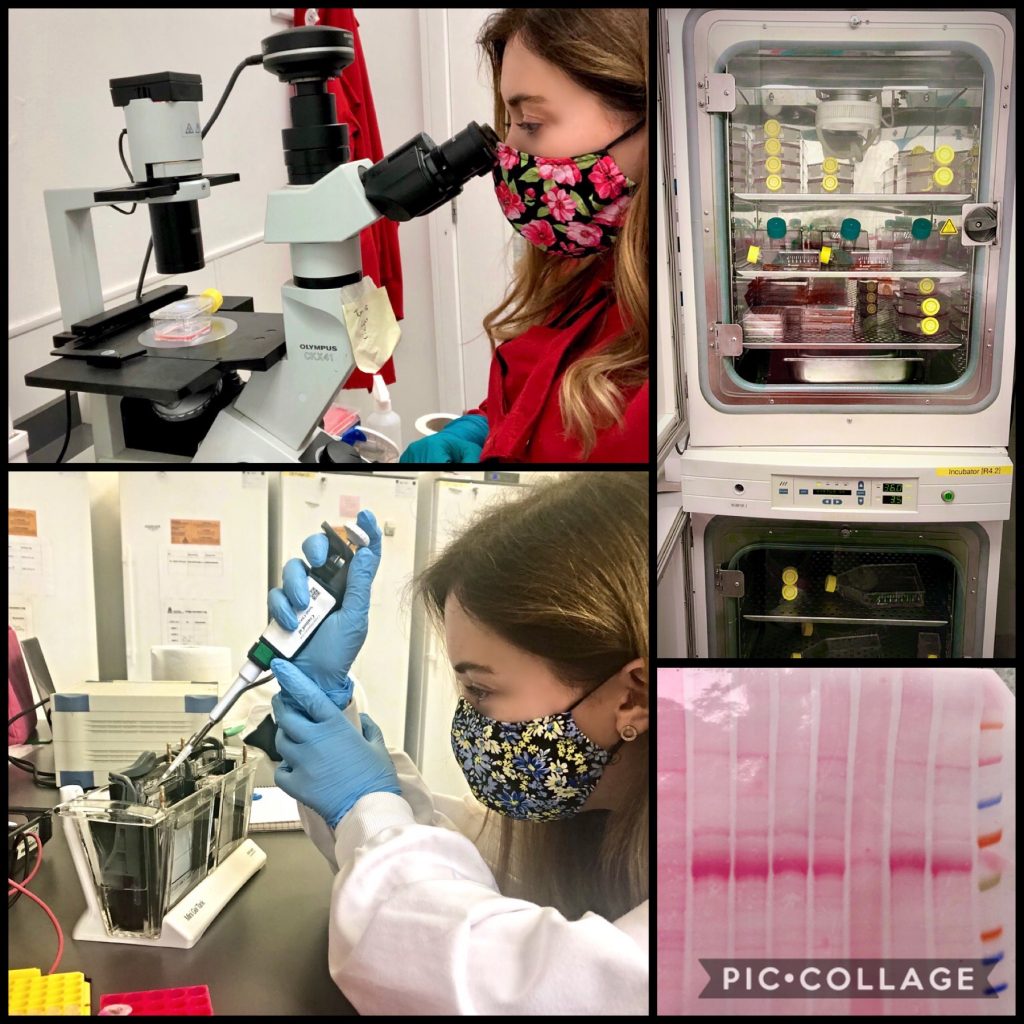
We wear red coats when looking after our rather large family of neuroblastoma cells, which happily grow inside the 37°C incubator. White coats are for most other lab work, such as analysing proteins by gel electrophoresis and Western blotting. And of course, the newest lab accessory – the facemask.

These days my work hours are shared between the labs in RCSI and my family home. While my bench space and office space used to be separated by just a few steps, there is now a 30+ minute bus journey between them. It has certainly put my planning skills to the test as now when I walk into the lab I need to be sure of what I am planning to do, and that I can complete the task in my pre-booked lab time slot. 

I appreciate my time in the labs much more now that I spend so much time at home. Whether I am culturing neuroblastoma cells, analyzing proteins or genes by Western blots or PCRs, I enjoy immersing myself in the work knowing that my time on the bench is limited. 

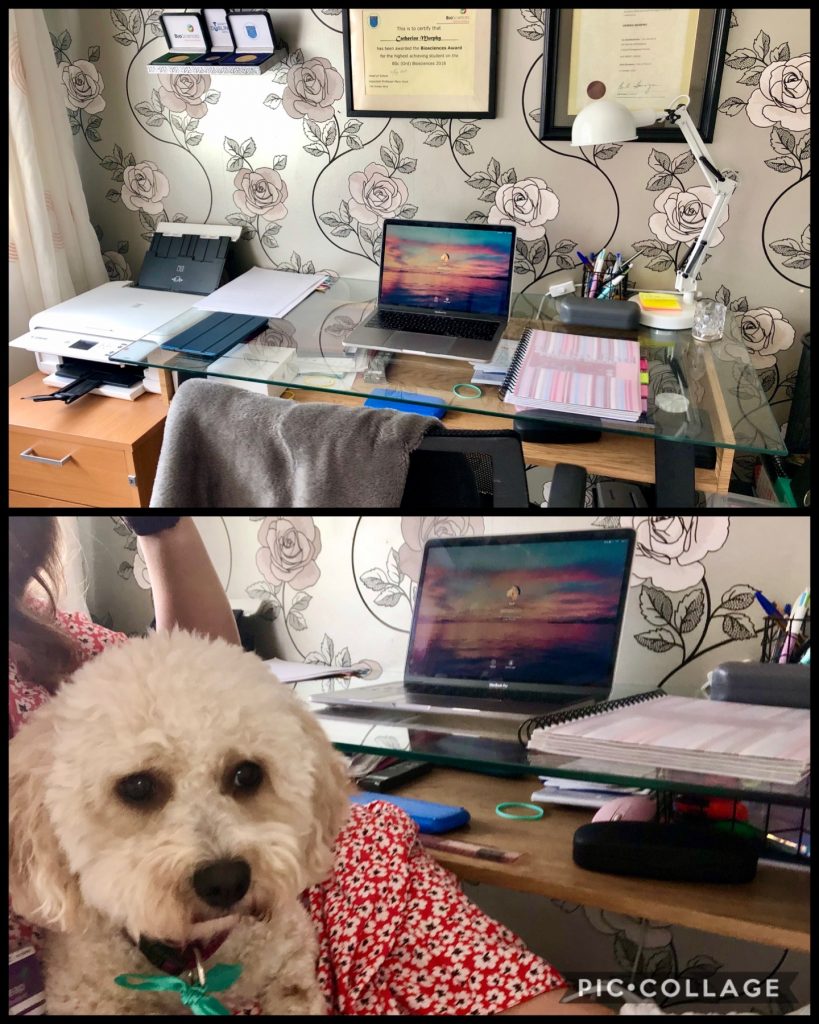
The main perk is that now when I am doing computer work – analyzing results, writing reviews, preparing presentations, using online software – I can do it from the comfort of my box-room-office, often very cosy in a blanket as I do it. While my work-from-home desk space is slightly more spacious than my desk in the now-closed “Write-up Room 2”, I do miss the chats and laughs that come with working in a shared office.

One thing’s for sure though, my two dogs very much enjoy the days that I work from home!

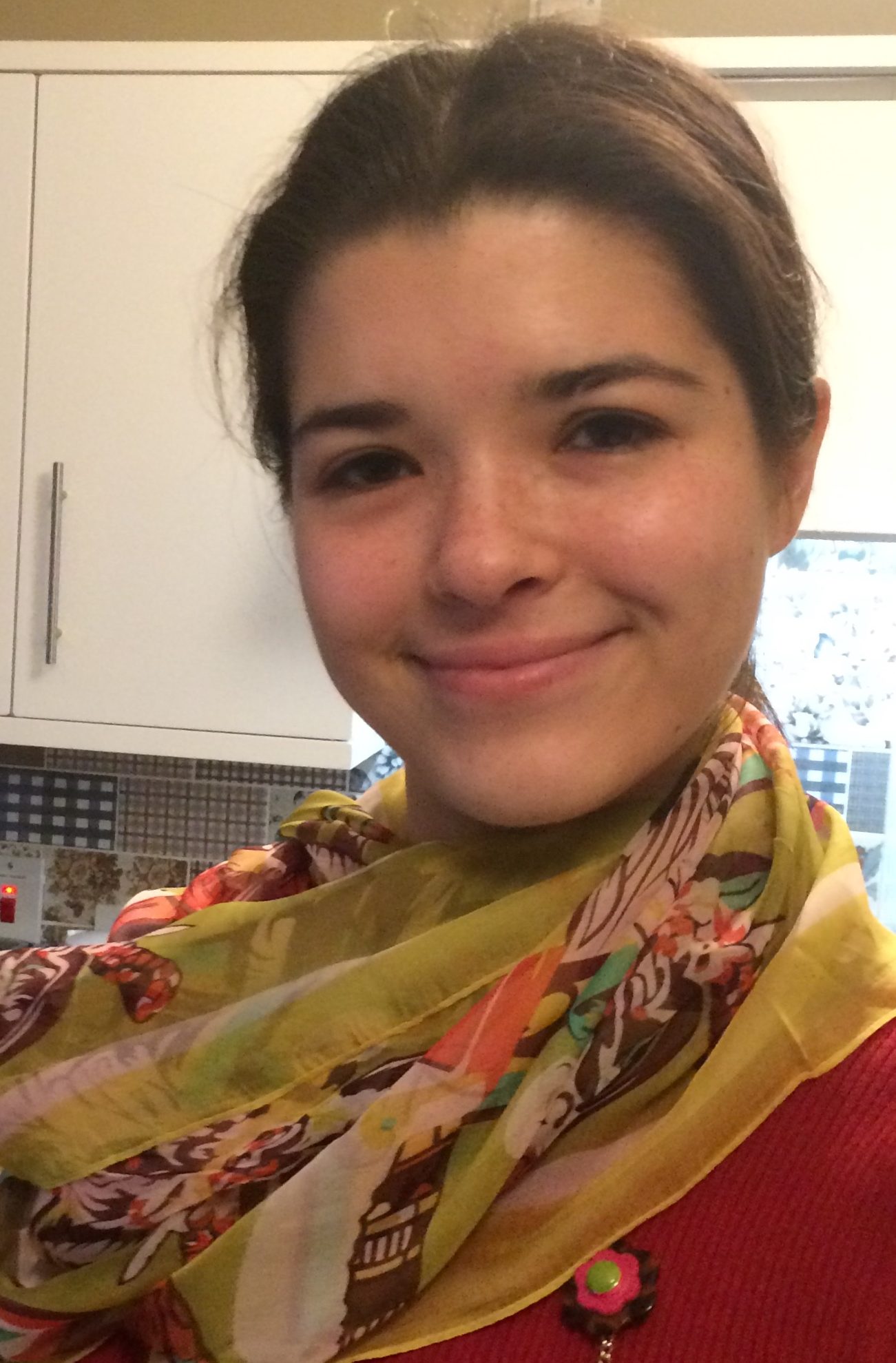
Catherine Murphy, Neuroblastoma UK funded PhD student

One Day of the Life as a Researcher: summer undergraduate student

This summer I worked under Dr Piskareva supervision in the remote research program. My original plans for a lab experience were put down by COVID. My ultimate goal was to write the review article on the potential uses of retinoic acid in neuroblastoma research.

Nadiya Bayeva

Before starting the project, I didn’t have any specific expectations. While I always had fun picking the primary articles apart and summarising the gathered data during my undergrad and med school, I didn’t believe that this experience would be the special one. And I kept thinking so as I was collecting the information from the numerous data on cell cultures. And as I was looking at the mice models studies. And clinical trials.

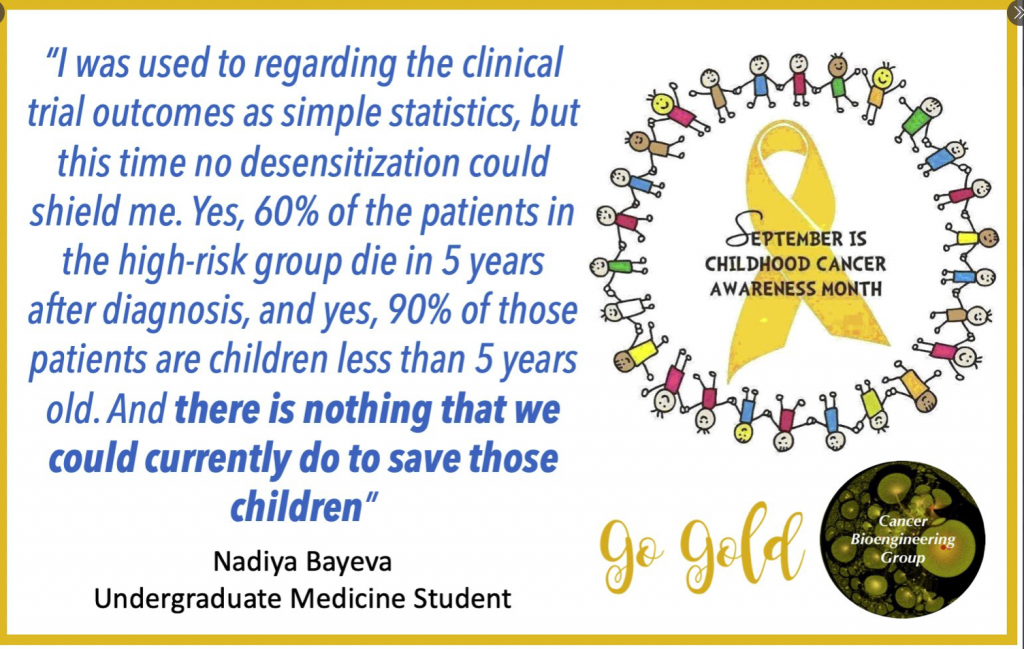
Then I started to write my introduction, and so researched the information on the neuroblastoma prognosis, contemporary treatment protocol and outcomes. And suddenly I saw my project in the new light. I was used to regarding the clinical trials outcomes as simple statistics, but this time no desensitization could shield me. Yes, 60% of the patients in the high-risk group die in 5 years after diagnosis, and yes, 90% of those patients are children less than 5 years old. And there is nothing that we could currently do to save those children.

On the other hand, this realisation brought meaning to my work. This time, I was not doing a PubMed search to get a good mark or CV reference. Instead, I was looking for the possible treatment of the disease. My review on the current knowledge about retinoic acid will let the other primary researchers target the most promising drug for future experiments and, eventually, create a novel and effective therapy to help those children.

And isn’t it what we are all striving for in medical research?

Times of tough restrictions

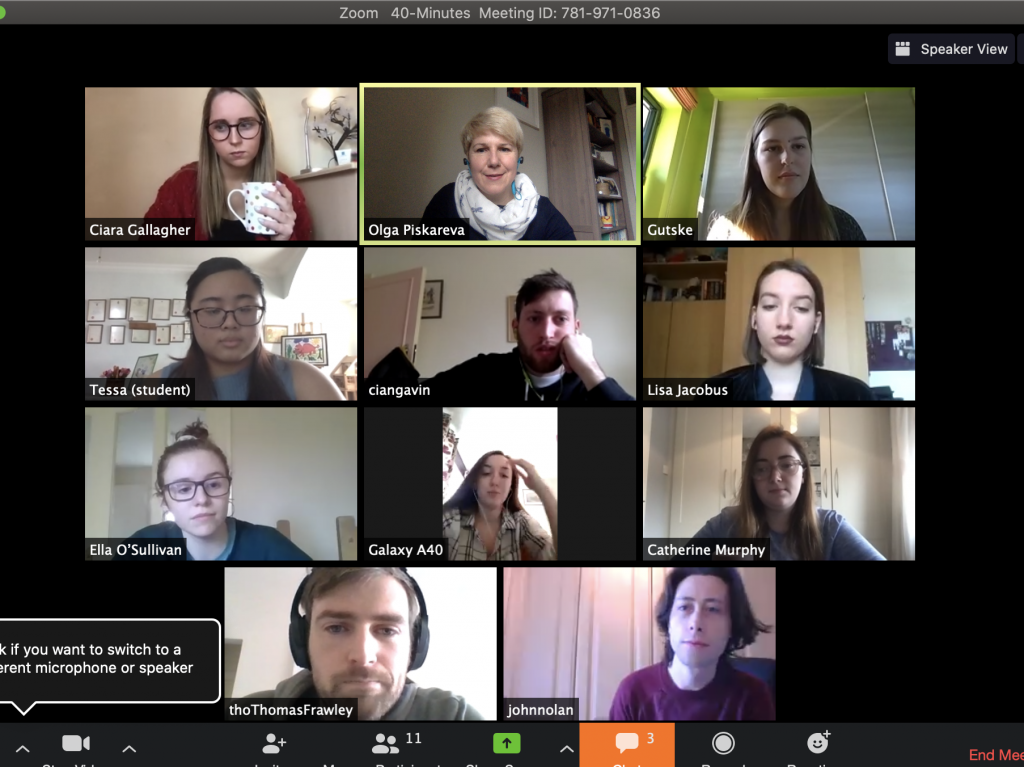
In the time of tough restrictions when you and your team are cocooning and working remotely, we can stay together thanks to many PC and mobile apps. We tried different platforms starting with Skype and WhatsUp and advancing to MS Teams and Zoom. The bottom line: we want to see everyone simultaneously! It is essential. As expected not every app gives you that option in a standard free package.

After 4 weeks, everyone in a spiritual writing mode. I would not be surprised to see the exponential growth of literature review articles in the coming months. I hope to get one from each team member. Sure that the quality of introduction/background sections in PhD Theses will also happen!

Actually, it is possible to play games remotely, too. What great fun!

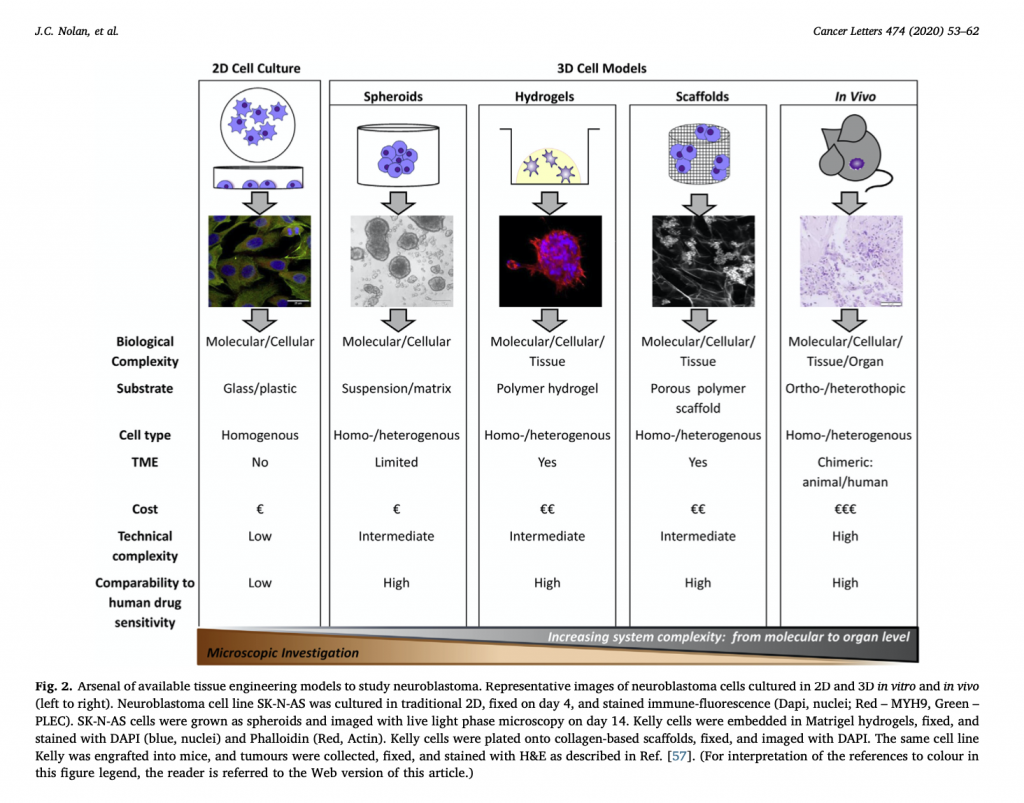
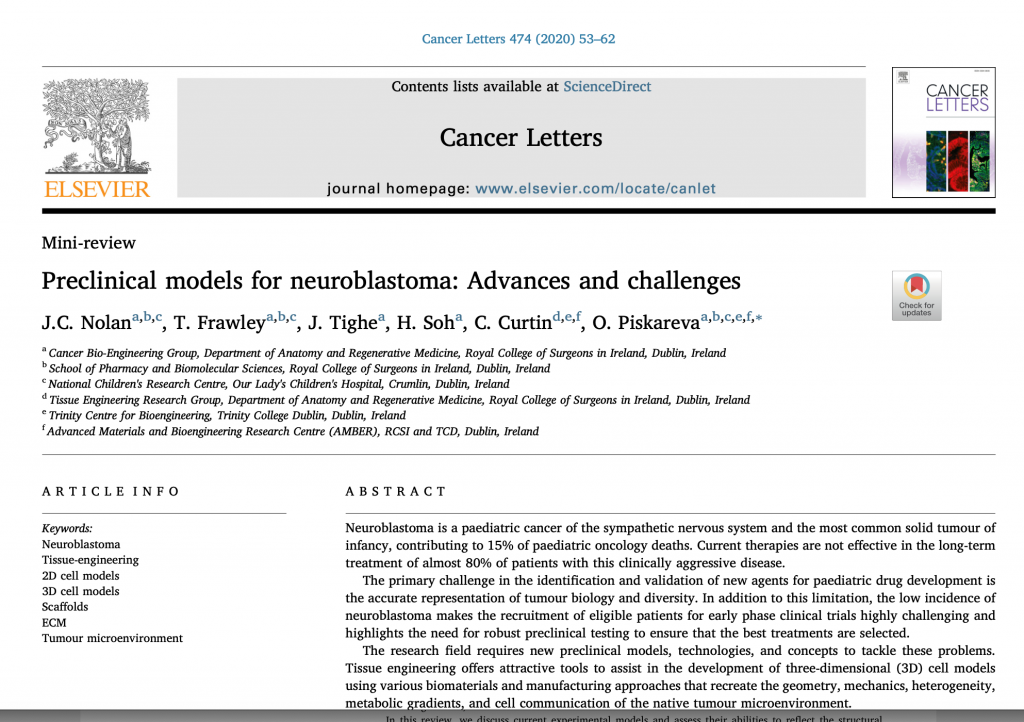
Preclinical models for neuroblastoma: Advances and challenges

What a great start for 2020! Our long-lasting and productive collaboration with our colleagues from Tissue-Engineering Research Group Brough to live an important overview of the preclinical models for neuroblastoma. We particularly focused on the 3D in vitro models available.

During this exercise of searching and reading research papers, we found that researchers in neuroblastoma are looking for alternatives of traditional 2D culture. It is may be slow at the moment but the interest is there.

3D neuroblastoma models worked well in both validating known chemotherapies and screening new. The concepts and materials that were initially developed for bone or tissue regeneration can be used to a miniature model of neuroblastoma.

3D tissue-engineered models can accelerate drug discovery and development, reducing the use of animals in preclinical studies.

Full version is available at https://www.sciencedirect.com/science/article/pii/S0304383520300239?via%3Dihub

3D Bio-printing: dream or reality?

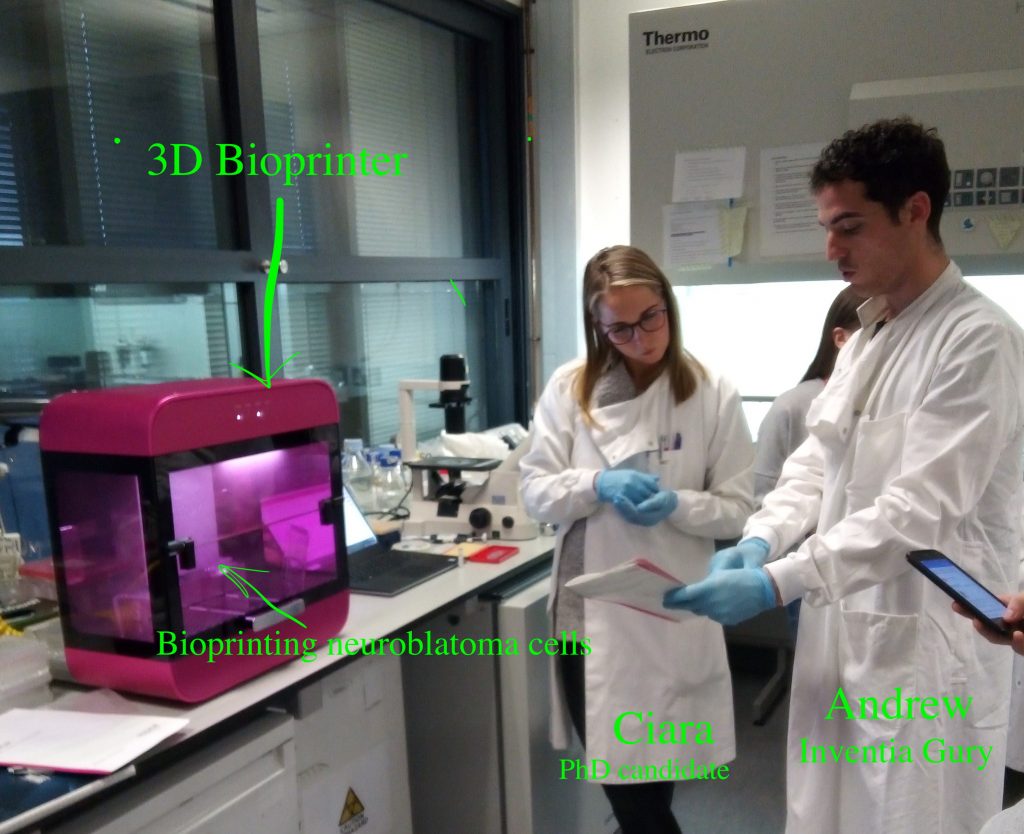
Here we go. Our first attempt to bio print neuroblastoma cells using Rastrum technology.

A compact pink oven-like device with a user-friendly interface and ‘magical’ disperse of cells and 3D environments. We bioprinted two types of neuroblastoma cells. One-easily forming clusters or tight groups and the other with high individualism in two types of homes: friendly and unfriendly. ‘Friendly’ homes have lots of clues to help cells to attach and grow. ‘Unfriendly’ homes have just a 3D niche aka house without furniture. Let’s see which homes cells like most.

The Waffle Baking Morning

Now, when my team has expanded, it is so easy to come up with fundraising ideas and then develop one in a well-rounded event. In February, we ran Hot Chocolate Morning to raise awareness in childhood cancer and celebrate the International Childhood Cancer Awareness Day. We have an entire month of September to make this disease visible. It was the first time for some of my team members.

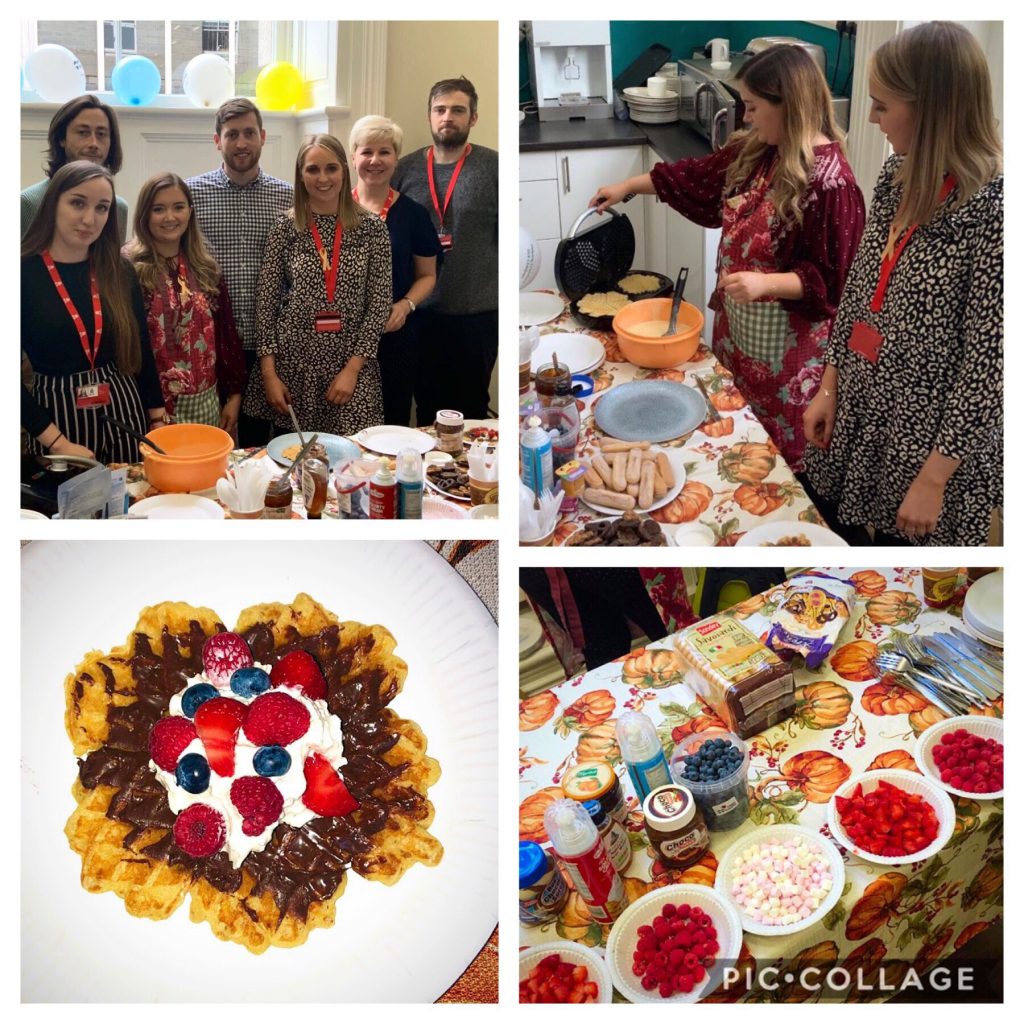
Last Friday, I got to take part in my first fundraising event at the Royal College of Surgeons in Ireland. Our team hosted a waffle morning for #childhoodcancerawarenessmonth and we are delighted to have raised €403.85 thanks to everyone’s generous donations! Our fundraising does not stop here, in just a few weeks time all 7 of us will be taking on the 8km Hell and Back challenge to raise more awareness and funds for our four chosen charities: CMRF Crumlin, Neuroblastoma UK, and the Conor Foley Neuroblastoma Cancer Research Foundation. We hope everyone enjoyed their little Friday treat!” Catherine Murphy, PhD student funded by Neuroblastoma UK

New Chapter – Cancer BioEngineering Group

I have started a new chapter in my research career by joining the Department of Anatomy and Regenerative Medicine as a StAR Research Lecturer. By a coincidence, it has happened on the first day of Childhood Cancer Awareness Month. It might be symbolic.

The new start requires fresh ideas. Now, the new chapter is called Cancer Bioengineering Group. Exciting times ahead!

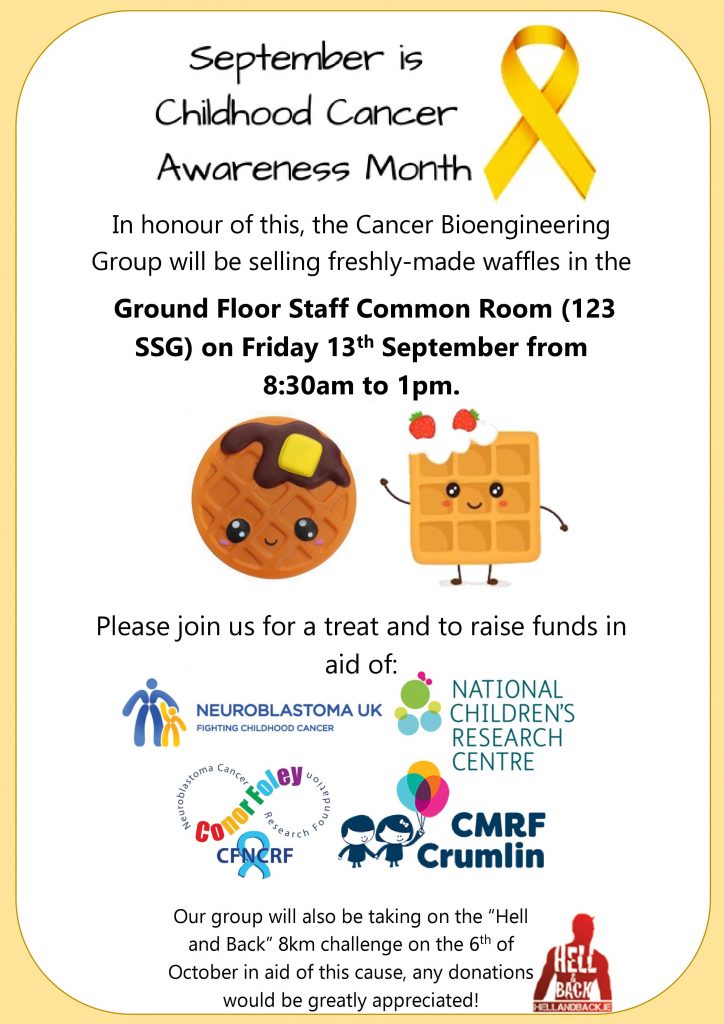
This Friday the 13th of September the Cancer-Bioengineering research group will be hosting a ‘Waffle Morning’ in honour of Childhood Cancer Awareness Month. 

Pop into the ground floor staff common room from 8.30am to enjoy some delicious freshly made waffles and support the wonderful charities; CMRF Crumlin, NCRC, CFNCRF and NBUK.

We promise to bake 3D waffle engineered scaffolds and populate them with marshmallows, berries, cream and Nutella!

September is Childhood Cancer Awareness Month

We celebrate Childhood Cancer Awareness Month every September. This is our chance to talk about this cancer, the patients and their families and what can be done to make a change.

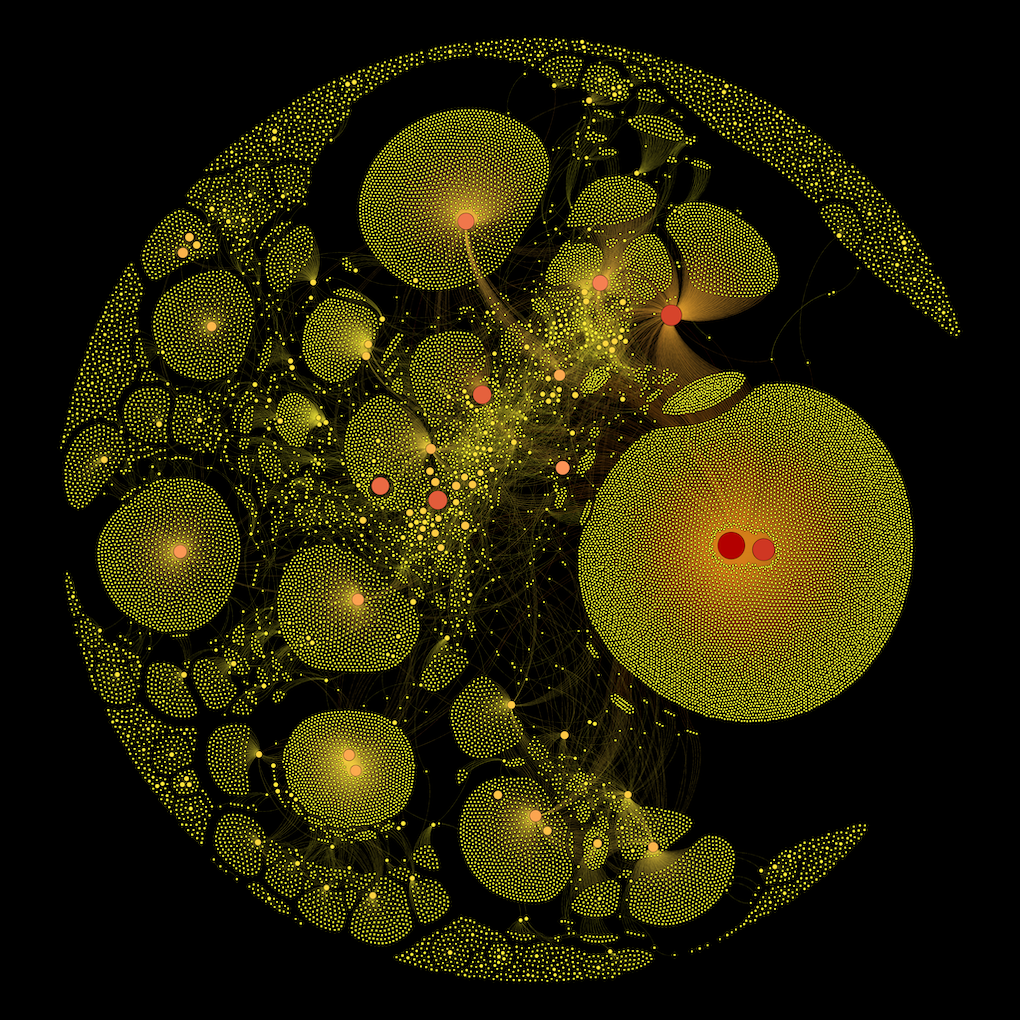
Together with Prof Richard Arnett we asked a question – how intense is communication about neuroblastoma/childhood cancer on Twitter. There were 52126 neuroblastoma tweets in 69 days. Is it a big number?

#neuroblastoma on Twitter

Yellow dotes represent tweets. The intensity of yellow reflects the number of tweets per account. Many of them formed isolated communities with no connections. A few reach out. And this is very sad, it means that these communities do not interact with each other.

Communities have to come together then they will be heard. The Childhood Cancer Awareness months is a great opportunity to do it.

Launching Neuroblastoma UK funded project

Exciting times ahead for my team – to study neuroblastoma – immune cells interaction. This 3 years project is funded by Neuroblastoma UK to support the interdisciplinary collaboration between experts in fields of neuroblastoma biology, immunology and tissue engineering from Royal College of Surgeons in Ireland, Trinity College Dublin and Queen Mary University London.

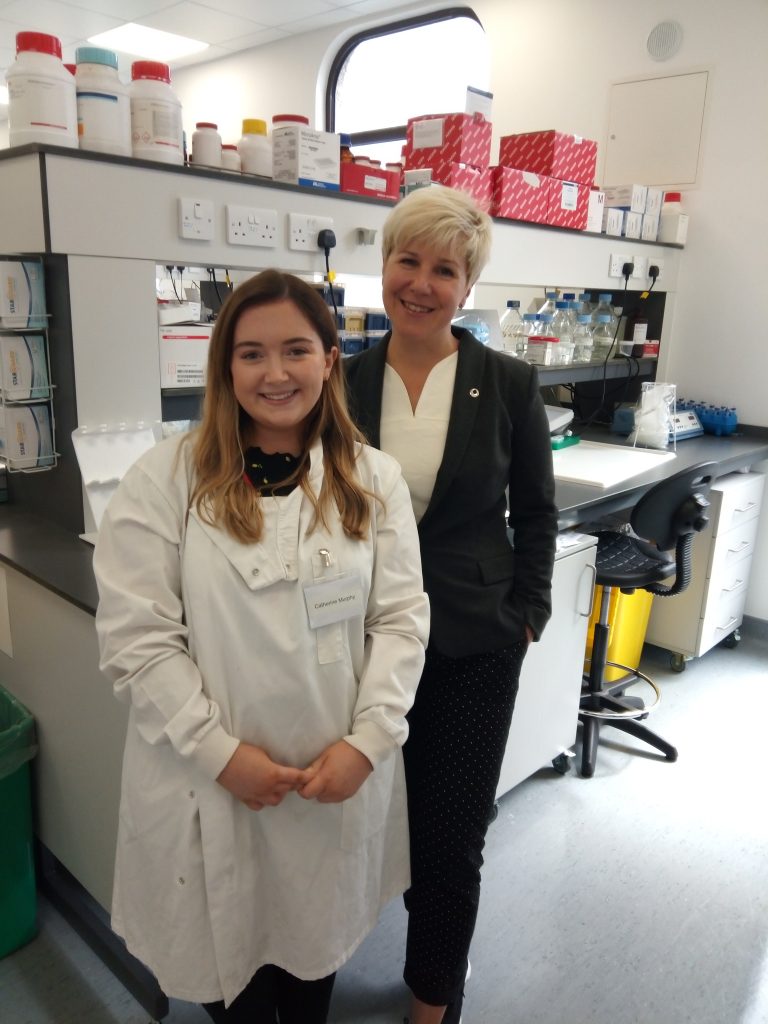
Catherine Murphy, a new PhD candidate funded by Neuroblastoma UK

In this project, we will engineer a novel experimental model to study the biology and treatment of neuroblastoma. We will build upon our recently published model where we used collagen-based scaffolds and neuroblastoma cells to test their response to chemo drugs.

Catherine will grow different neuroblastoma cells together with immune cells using a 3D printing technology. She will travel to Queen Mary University London and learn how to do 3D tumour bioprinting. This technology allows the generation of reproducible scaffolds that replicate the architecture of tumour tissues as seen in patients. She will use RCSI/AMBER facilities to optimise this model here and to study how immune cells recognise cancer cells, attack and eventually kill them. This experimental model will help us to advance current immunotherapies and develop more effective treatments for neuroblastoma.