Chinese New Year in Ireland

Hi, this is Lin, it’s my second year living in Dublin and the second Chinese New Year I celebrated here. I love Dublin not only because it is the country I’ve spent more time in than any other country besides China but also because it can support Chinese traditional culture to the greatest extent.
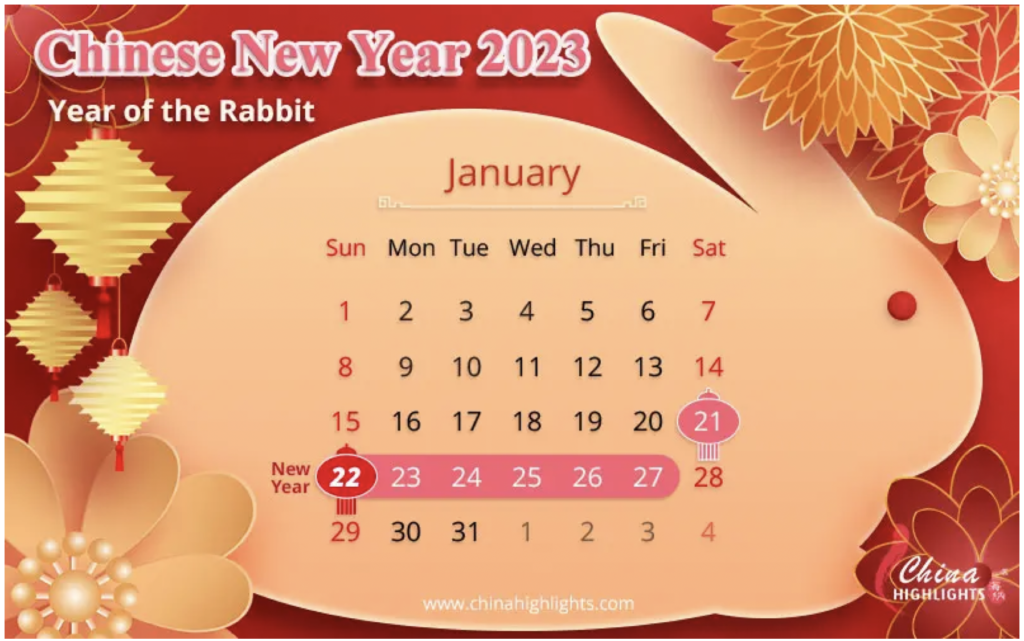
Spring Festival (Chinese New Year) is China’s biggest extravaganza. In 2023 we celebrated it on 22nd February. According to the Chinese calendar, the world enters the Year of the Rabbit. I felt the Chinese New Year everywhere in Dublin.

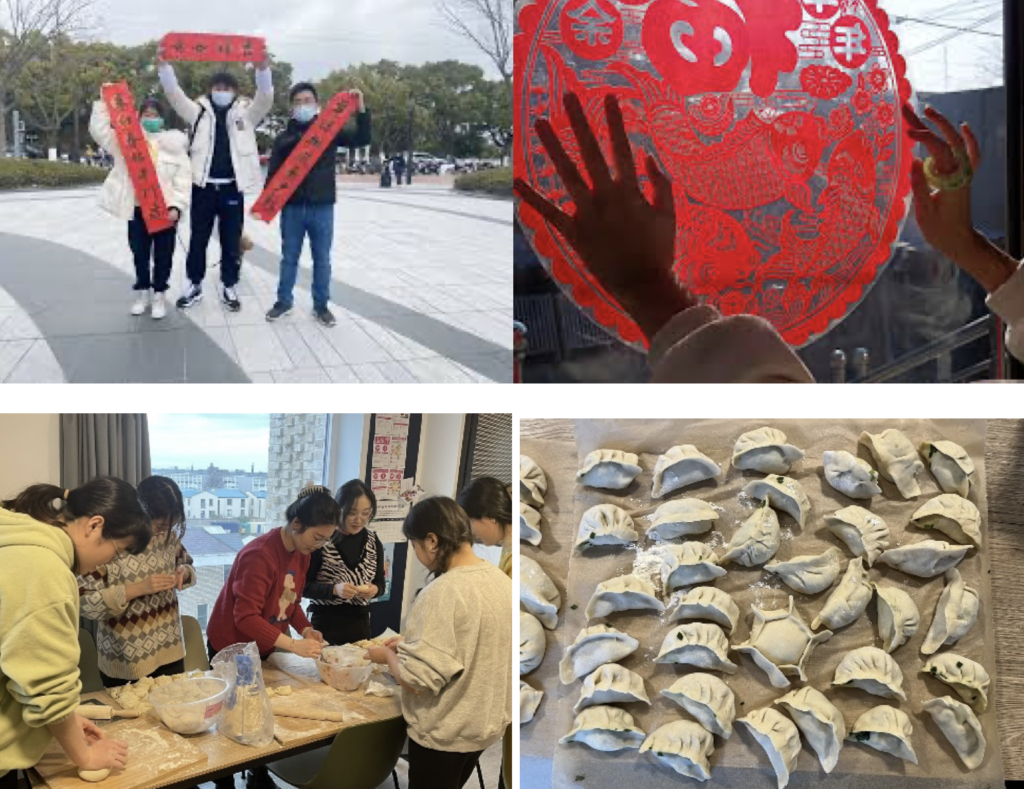
Chinese New Year’s Eve is an important night for Chinese families, like Christmas Eve for the Irish. I didn’t go back to China, but I was with my Chinese friends in Dublin and celebrated together on that day. We put up spring couples and paper cutouts in our apartment, ordered some traditional Chinese food, and made some dumplings. We stayed home, stayed up late, and said goodbye to the old year. We did every vital ritual as we did at home.
In town, people also celebrated the Chinese New Year. Most notably, Good World Chinese Restaurant, my favourite Chinese restaurant in Dublin, has always contributed greatly to promoting Chinese culture. They received the Chinese Intangible Culture Heritage title from UNESCO for having one of the most traditionally prepared dim sums. On the day of Chinese New Year, they had the lion dance and worshipped the Gods of wealth. They think these vital rituals can bring people luck and wealth.

https://www.goodworld.ie/

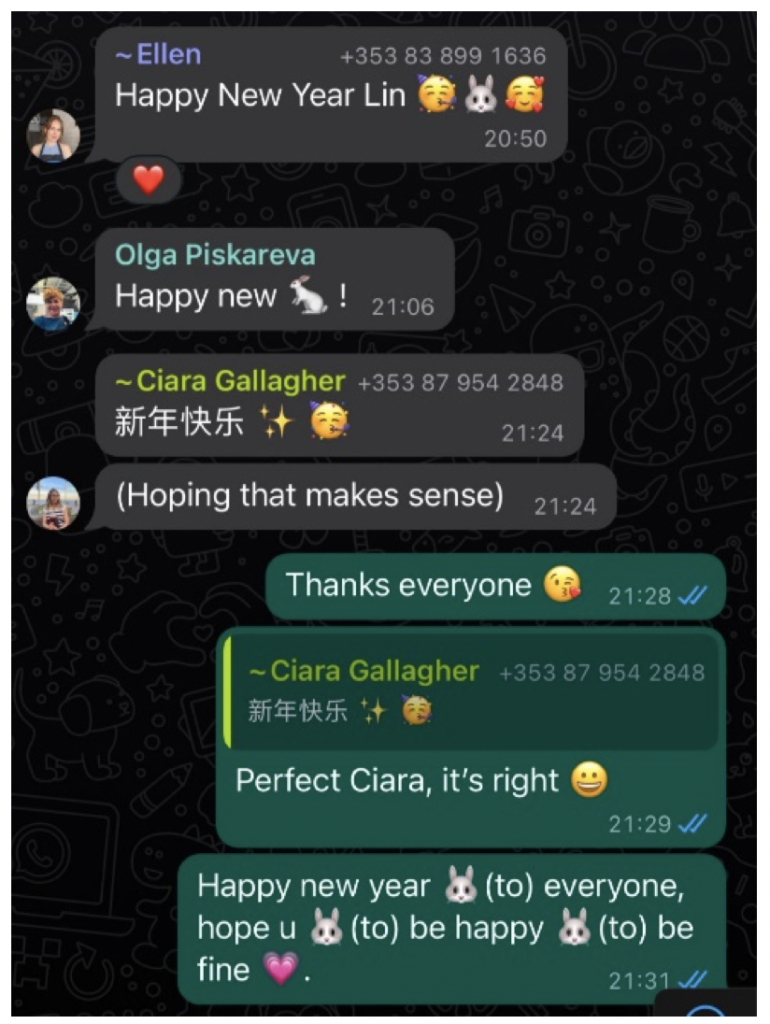
My Irish friends said “Happy Chinese New Year” to me with warmth and friendliness on Chinese New Year. They respect not only Chinese New Year but also any Chinese culture. Their kindness makes me feel at home.

I love my friends, and I love everything in Dublin!

Written by Lin Ma (PhD student)
Goodbye, 2022! Hello, 2023!

Looking back at my and my team’s journey in 2022, I see many junctions, traffic lights, stops and slides. Some of them raised us up, and others disappointed. We had to make decisions at the junctions and to reflect and revise the actions at the traffic lights and stops. Being patient is a gold skill. The good mix of everything kept us awake.

There were surprises on the way! Winning a research grant is not only hard work and sleepless nights, but it is also luck. Luck. Hard Luck. The funding pot is extremely small for too many high-scored innovative proposals.

My first 2022 win scored 99/100 and gave me an exciting opportunity to collaborate meaningfully with Prof Helen McCarthy, QUB. This was the highest ever score for my multiple applications over the years. So, this outcome also charged my sole and moulded my determination to do well that year.

However, my grant luck parked there until the end of 2022. Most applications missed the funding threshold by the 0.1 – 0.5 mark. So, another application complementary to the winning one landed on the reserve list… Needless to say, how I or any other researcher, feels seeing it.

A few weeks before Christmas, a positive emotional tsunami happened. I opened an email stating that the reserved proposal had received funding. Almost 10 months and 10 applications between two successful ones. Is not it hard luck?

However, it is not the number of grants received that matters; it is who is around you. My team has curiosity-driven students with big hearts who made this journey fascinating and special.

Goodbye, 2022!!!

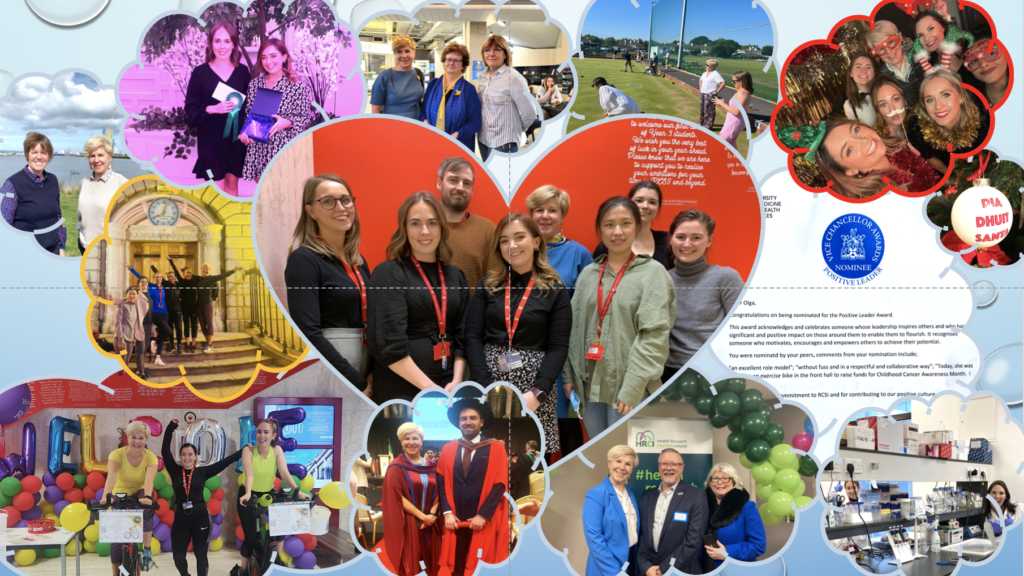
So, how has 2023 started for me? Another surprise waited for me in the sealed envelope from the RCSI Vice Chancellor and CEO, Prof Kelly, after my return from holidays. I was nominated for the Positive Leader Award 2022 by my anonymous peers. This Nomination emotionally touched me and mattered more than if I had won this award. I am grateful to the people I work with.

Thank you to everyone who shared the 2022 journey with me!

Goodbye 2022, and Hello 2023!

Research Summer School Skills Workshop 2021

Yep, we are living in challenging and extraordinary times. The COVID19 changes and dictates rules, but training of future health professionals is going on.

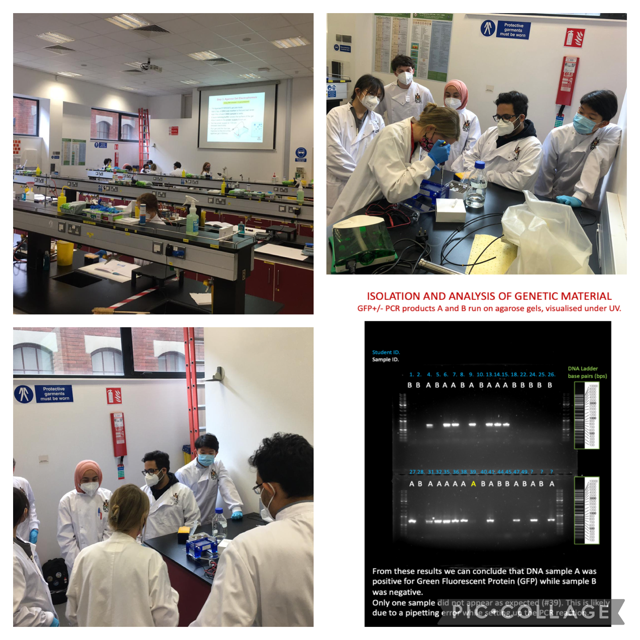
Within a fantastic RCSI summer training programme for medical students, our team ran essential practicals on the isolation of genetic material and the use of polymerase chain reaction, known as PCR, to detect differences in normal and modified genomic DNA.

Polymerase Chain Reaction, or simply PCR, was conceived and validated by biochemist Kary Mullis in 1983. This discovery revolutionised many scientific fields that dealt with genetic material and was awarded a Nobel Prize in Chemistry in 1993. PCR allows rapid generation of small identical fragments of DNA. The fragments can be visualised, their size and number can be calculated. It has become a standard procedure in molecular biology and pathobiology screening. The COVID19 PCR test is actually an advanced modification of Mullis’ invention.

All students successfully set up individual PCRs to our great satisfaction, and the results are presented at the right bottom corner.