Work-Life Balance as a final year PhD student

Hi everyone,

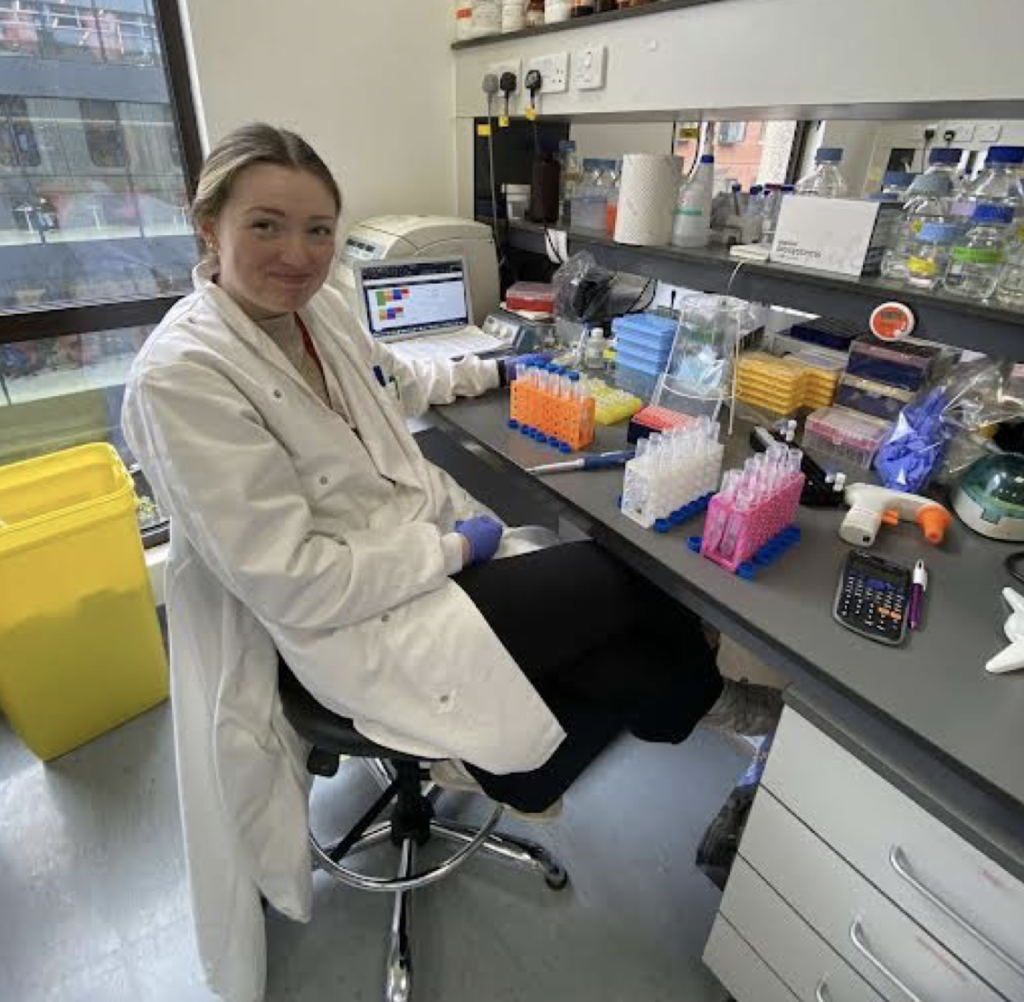
If you haven’t met me before, my name is Ciara. I’m a final year PhD student in the Cancer Bio-engineering group. My research focuses on using a 3D model of neuroblastoma to uncover pathways that cause cancer cells to invade other parts of the body, in a process we term ‘metastatic spread’. As a whole, I really enjoy my research and have a keen interest in the topic, making it easy to stay motivated and driven. However, as a final-year student, my lab days can be long and labour-intensive; unfortunately, experiments can sometimes span the weekends. This makes work-life balance hard to achieve. I have come up with three effective strategies that help me manage my workload and still enjoy my PhD work while taking the necessary time to recuperate. I would love to share them with you.

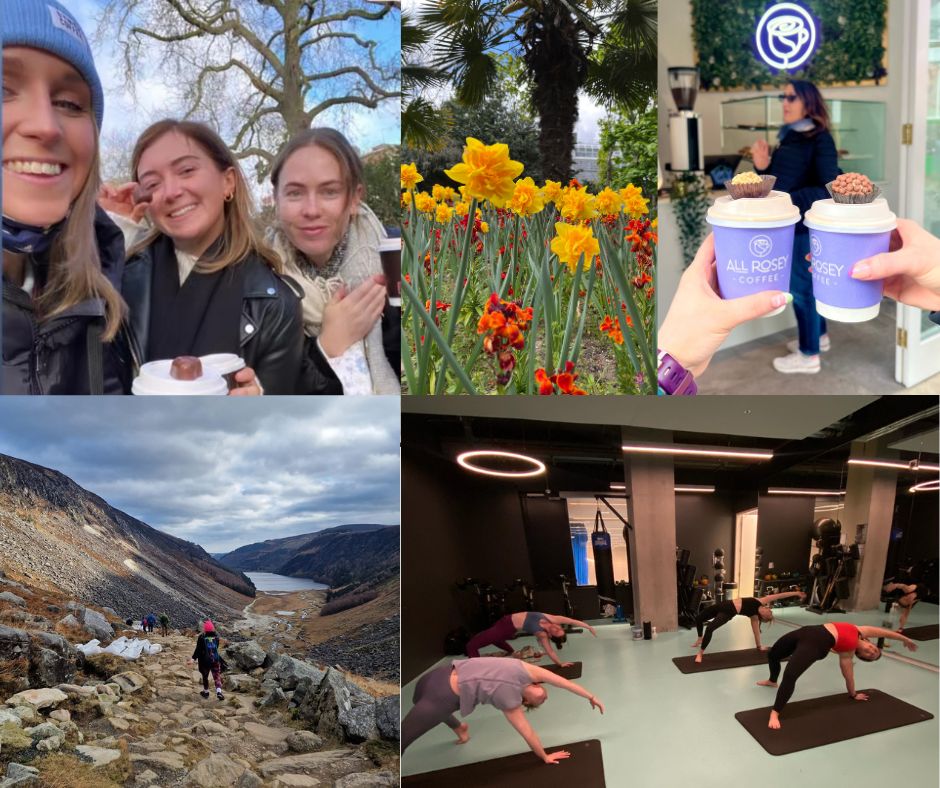
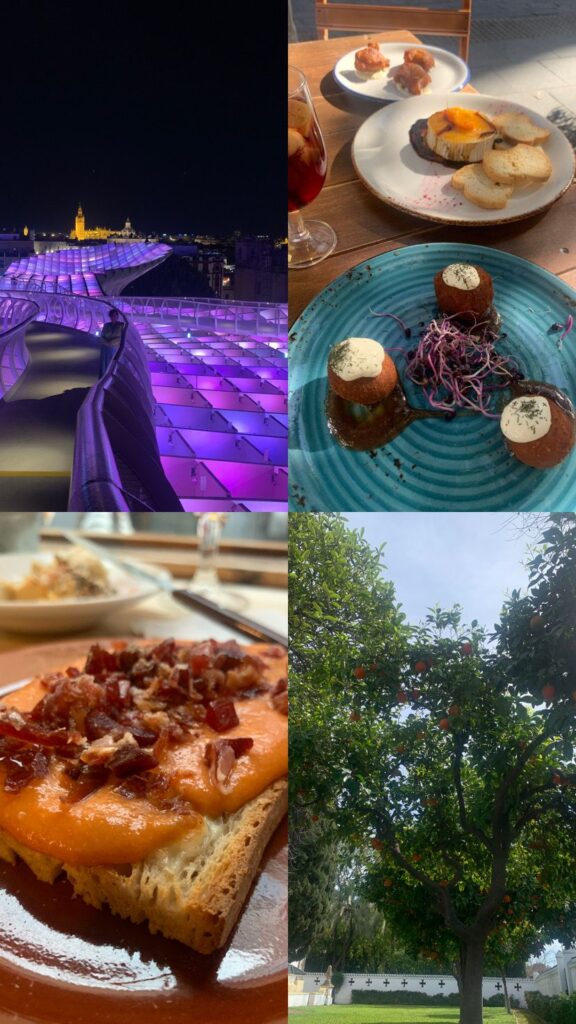
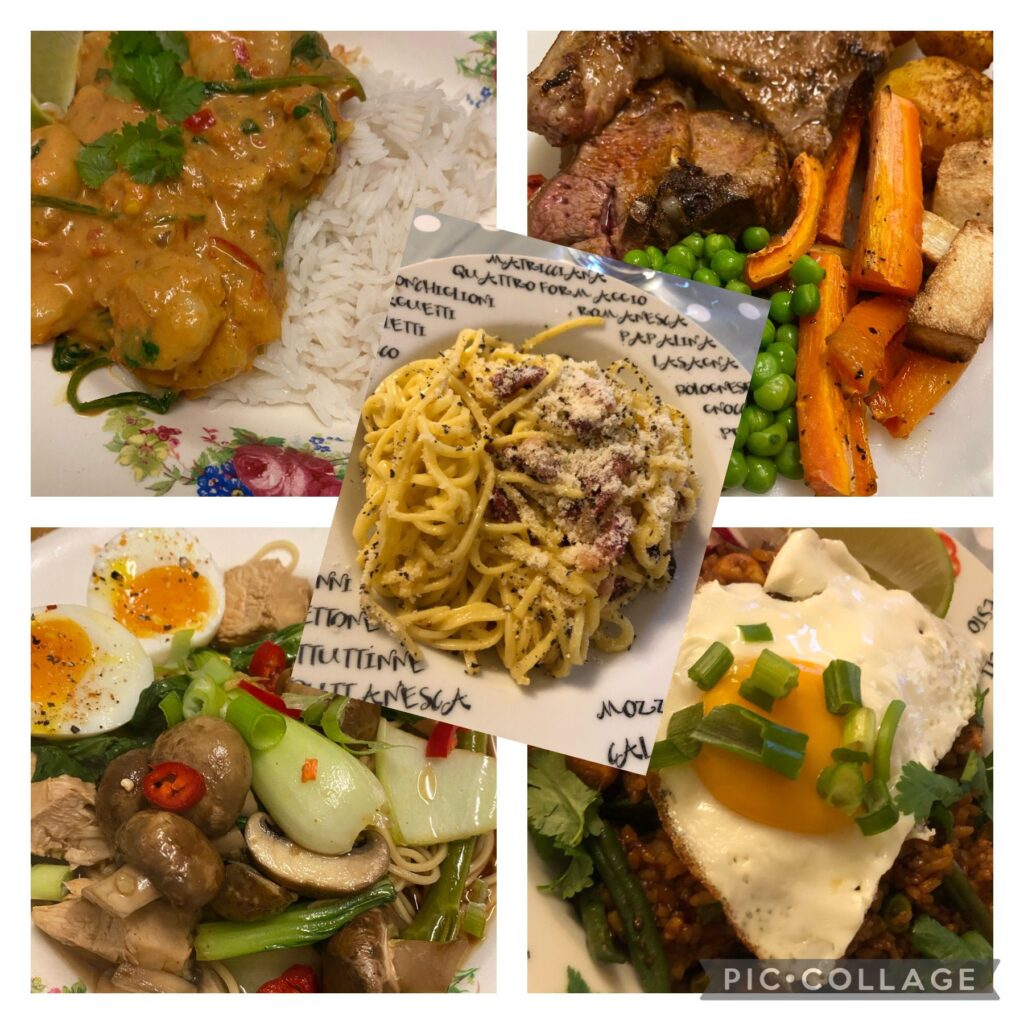
  1. Make a fun recipe – After a stressful day at work, plan a yummy dinner meal. While science experiments can fail, recipes only ever end with a delicious reward of a belly hug after a long day. Making a home-cooked meal helps me take my mind off the day’s stresses and fill myself with nutrients that keep my immune system strong. Check out some of the delicious recipes I’ve made so far.

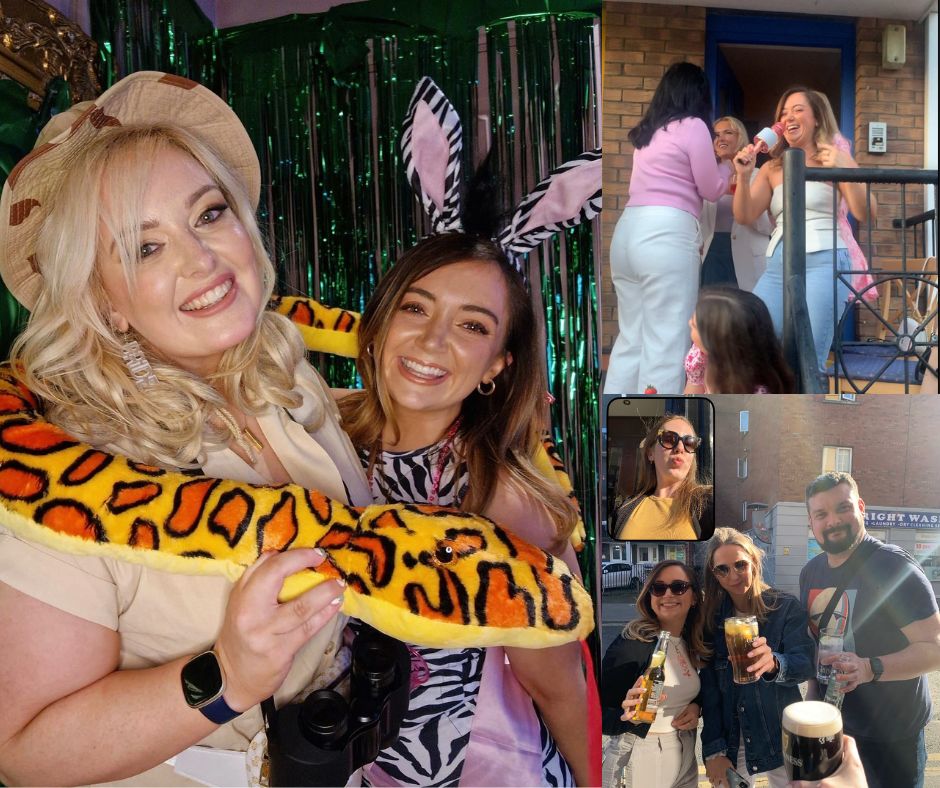
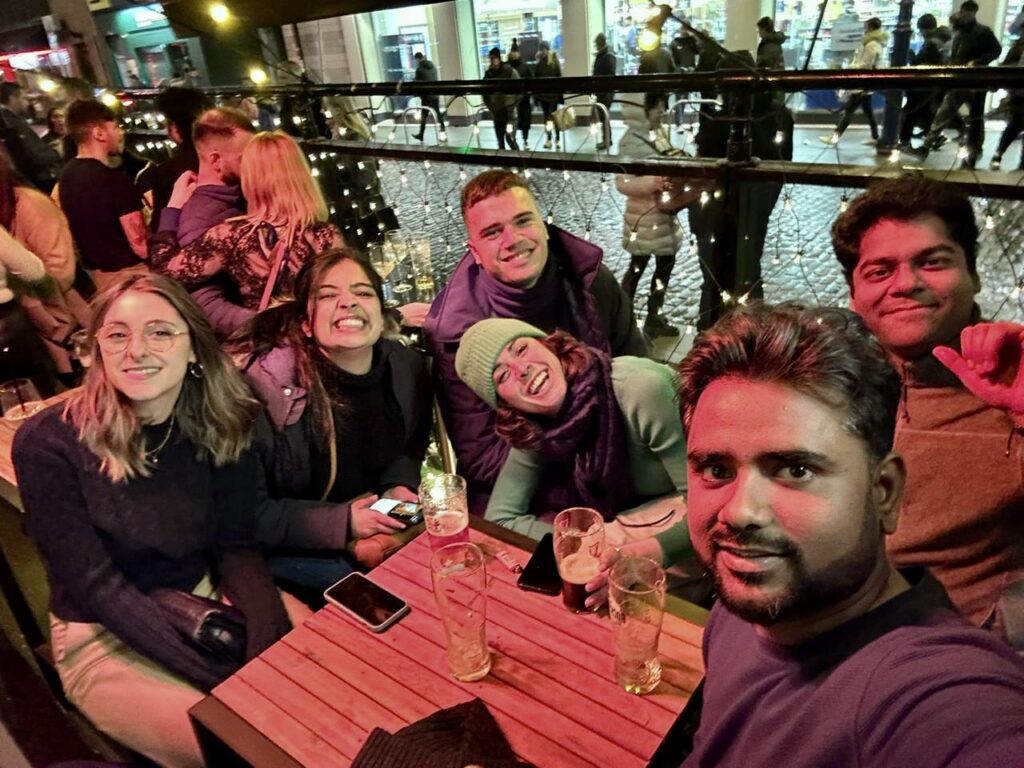
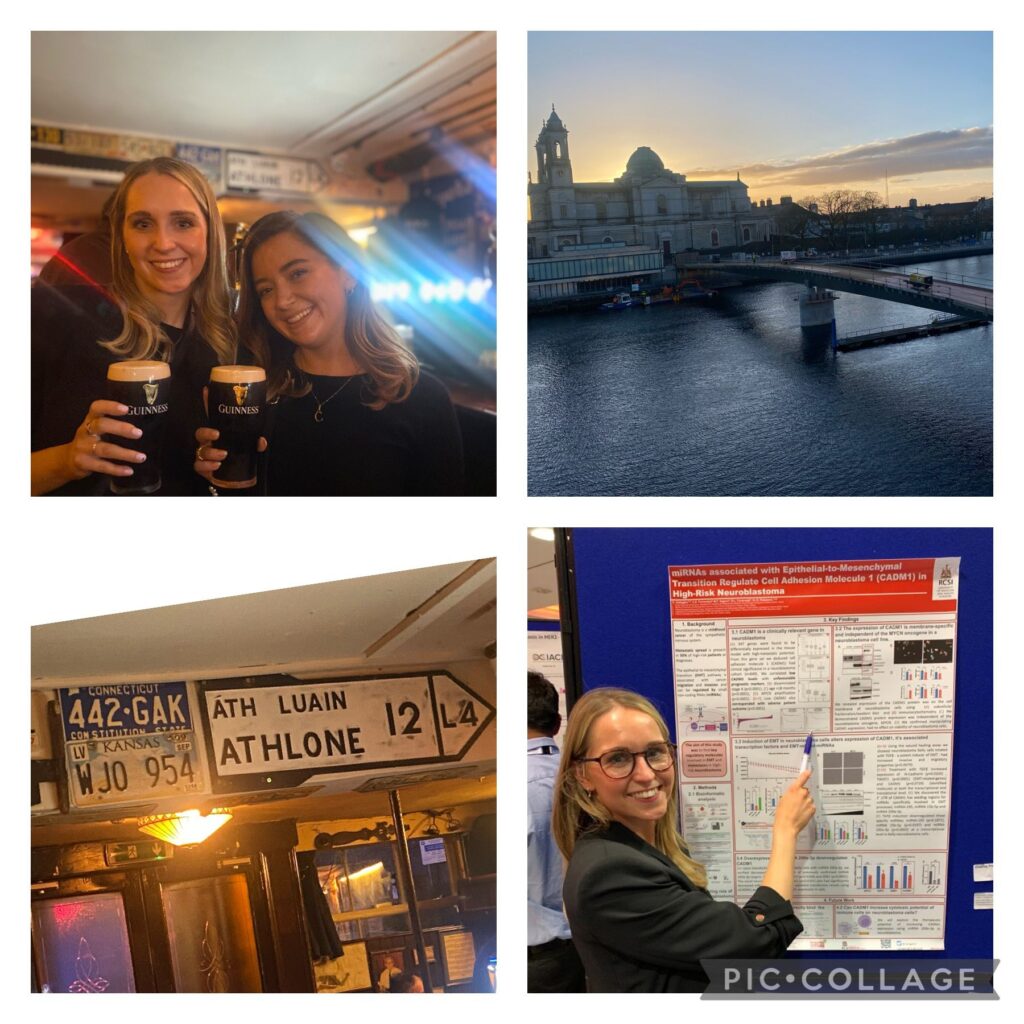
2. Attend conferences. Conferences are a great way to meet researchers on the same journey as you. They can help keep you motivated and trigger new ideas for your own research. My most recent conference was in Athlone. While I enjoyed presenting my research and listening to talks, I also took some time to make new friends from other universities and explore the history of county Westmeath – for example, having a Guinness in the oldest bar in Ireland (they have a Guinness world record to prove it).

IACR Meeting 2023, Athlone

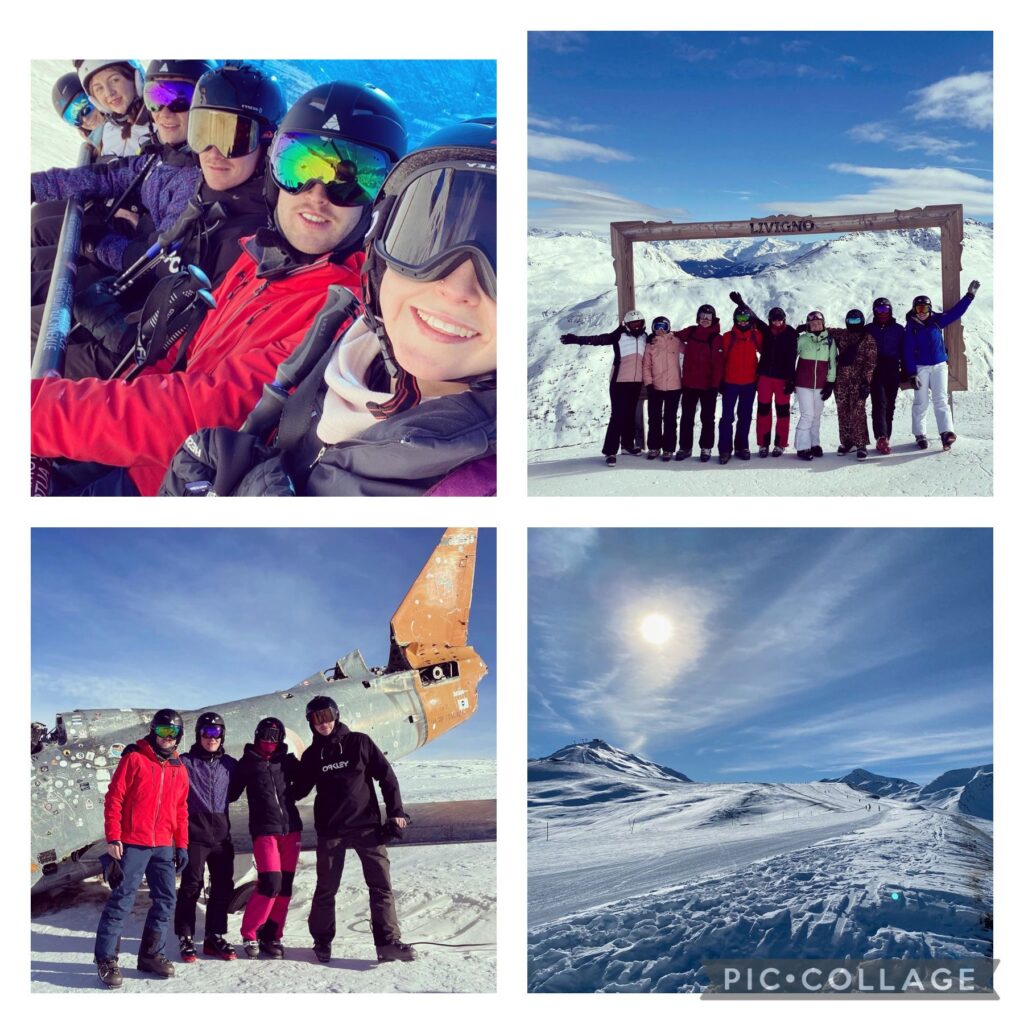
3. Plan a holiday to work towards – There is no better motivation to complete your work than jet-setting off to explore a new country. I aim to take a short science break every 4-6 months. My most recent one was to the snowy Italian mountains for a week of skiing. I came back with lots of fun memories and laughs, feeling ready to launch into another few months of hard work.

Ski hols 2023

Written by Ciara Gallagher

A February Full of Conferences

For a short month, we really made the most of February in the Cancer Bioengineering Group. We attended not one, but two conferences both outside of Dublin, with presentations from every member of the group and more great memories made.

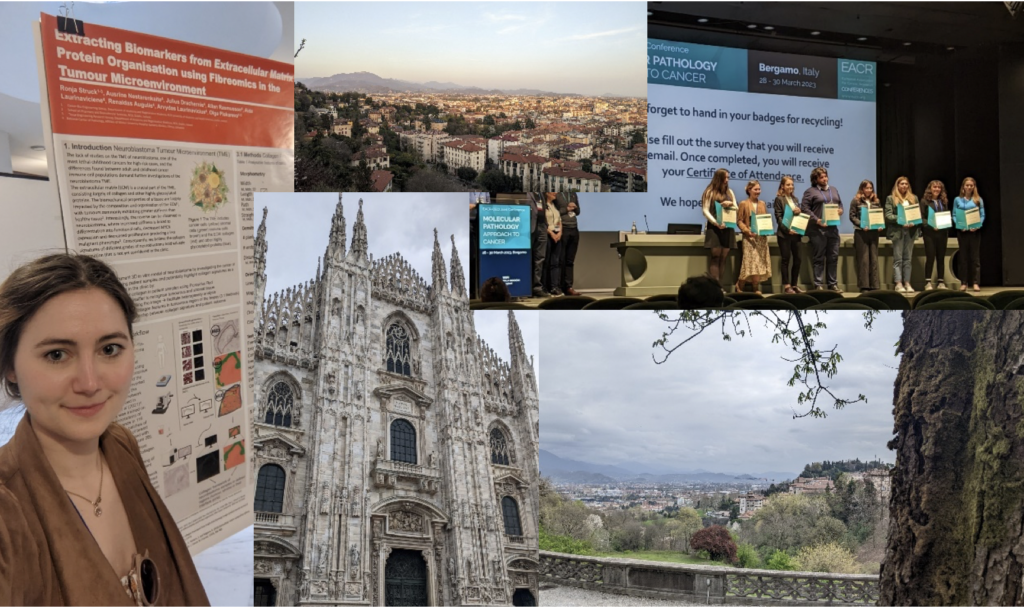
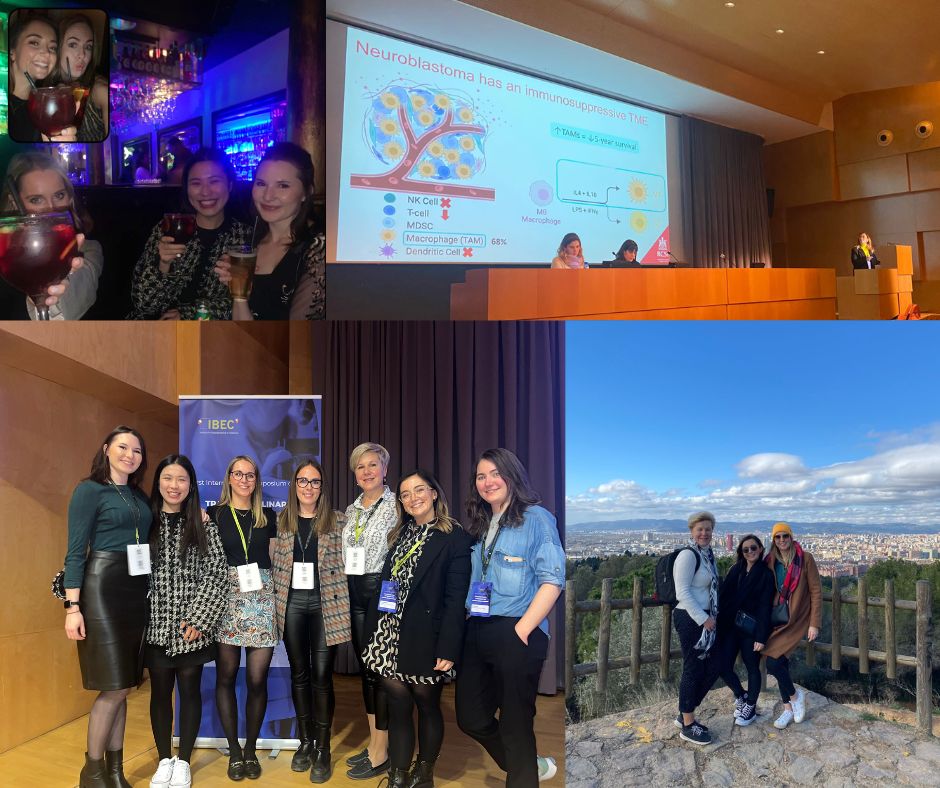
At the end of 2022, I was lucky enough to be sent on a 3-month research secondment to the Institute for Bioengineering of Catalonia (IBEC) in Barcelona, so I was delighted to return in February for the Transdisciplinary Approaches in Neuroblastoma Therapy symposium. I got to present my work from my secondment in “Flash-poster” style, alongside other group members Ciara, Lin & Alysia. Ellen and Ronja also did a great job presenting a more extended cut of their research, and we got to see team lead Olga give a round-up of our group’s work as a whole.

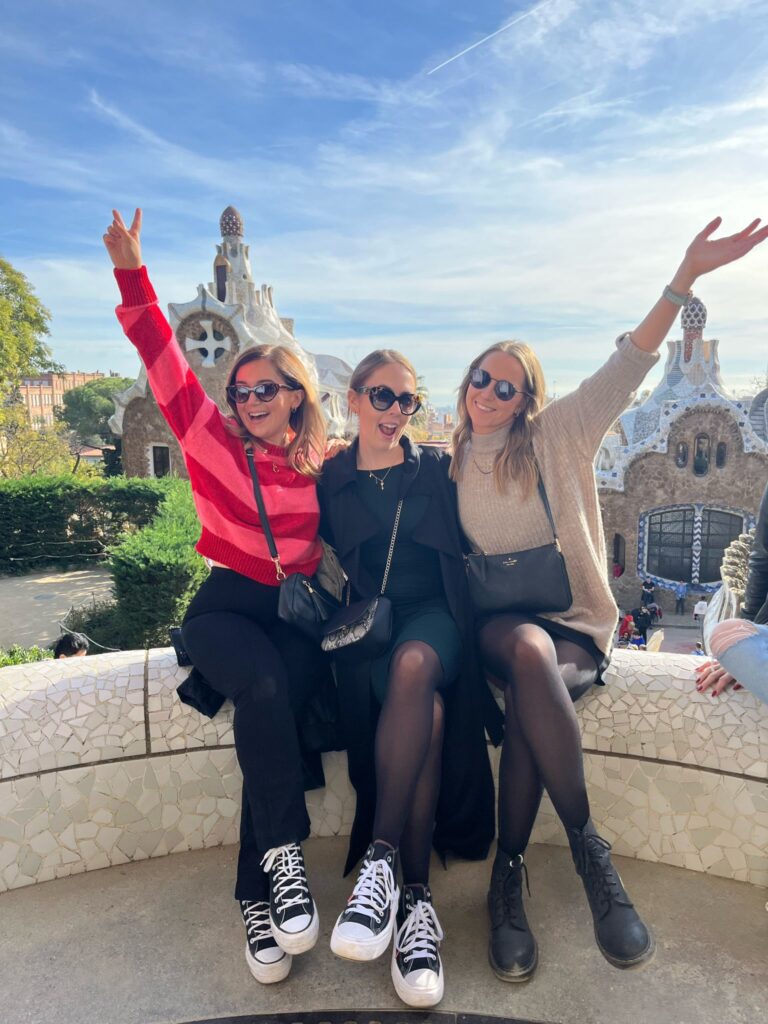
Barcelona, Spain, February 2023

Outside of the conference schedule, I was tasked with the role of Tour Guide because of my familiarity with the beautiful city of Barcelona. I led a group of 20+ researchers to a small bar in the Gothic Quarter for some well-deserved refreshments after a day of conferencing, brought my team to my favourite tapas restaurant for lunch (I still dream of the croquetas) and went on a lovely walk up Montjuic Hill to take in the views of Barcelona and reminisce on the 3 months I had spent there.

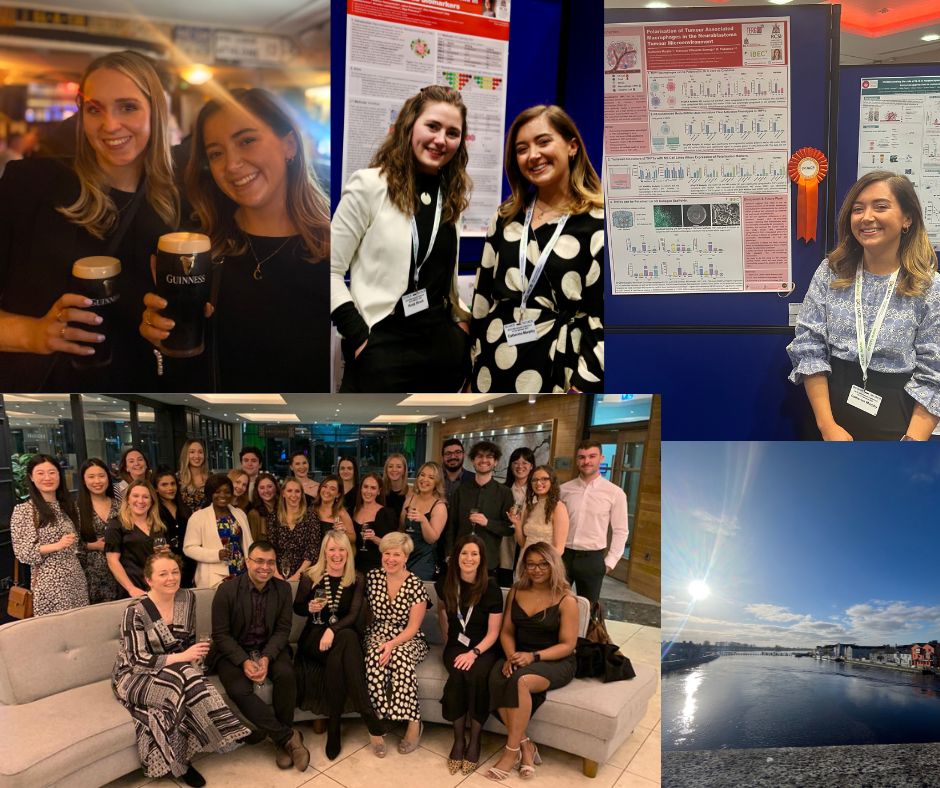
It felt as though the Ryanair flight had just touched down in Dublin when we started preparing for another conference – the Irish Association for Cancer Research (IACR) meeting, taking place in Athlone. With great memories from IACR 2022 in Cork, I prepared for the conference with great excitement – looking forward to both interesting science talks, and good craic with the gang of RCSI researchers attending the conference. I had a poster presentation for this, again focussing on the work I carried out on secondment in IBEC as well as some work at home in RCSI. I enjoyed my chats with the poster judges who gave some good insights on the work. Ellen and Lin had oral presentations at the conference so again I got to resume my role as the group Twitter mom, taking pictures and drafting tweets while the girls showcased their great research.

IACR Meeting 2023, Athlone, Ireland

Each day when the conference was drawn to a close we set our sights on having a bit of fun with the other attendees. We enjoyed a pint of Guinness and some Trad music in the oldest bar in Ireland – Sean’s bar (they had the certificate to prove this). We made friends from outside RCSI including researchers from Queens University Belfast and Sales Representatives from various lab supply companies, had a good dance in the residents’ bar of our hotel and took over the dancefloor of a small local club.  The gala dinner was lovely as always, and I’ll forever have fond memories of my lab group playing “Heads Up” to entertain ourselves in between courses. Finally, a highlight for me was being given a Highly Commended Poster Award at the dinner, such a nice acknowledgement to receive for my work and a lovely way to wrap up the last conference of my PhD.

Written by Catherine Murphy
My Irish Chapter

Moving to a new country could be a challenge, an opportunity, or perhaps both. It involves stepping outside of your comfort zone, but that is where growth happens.

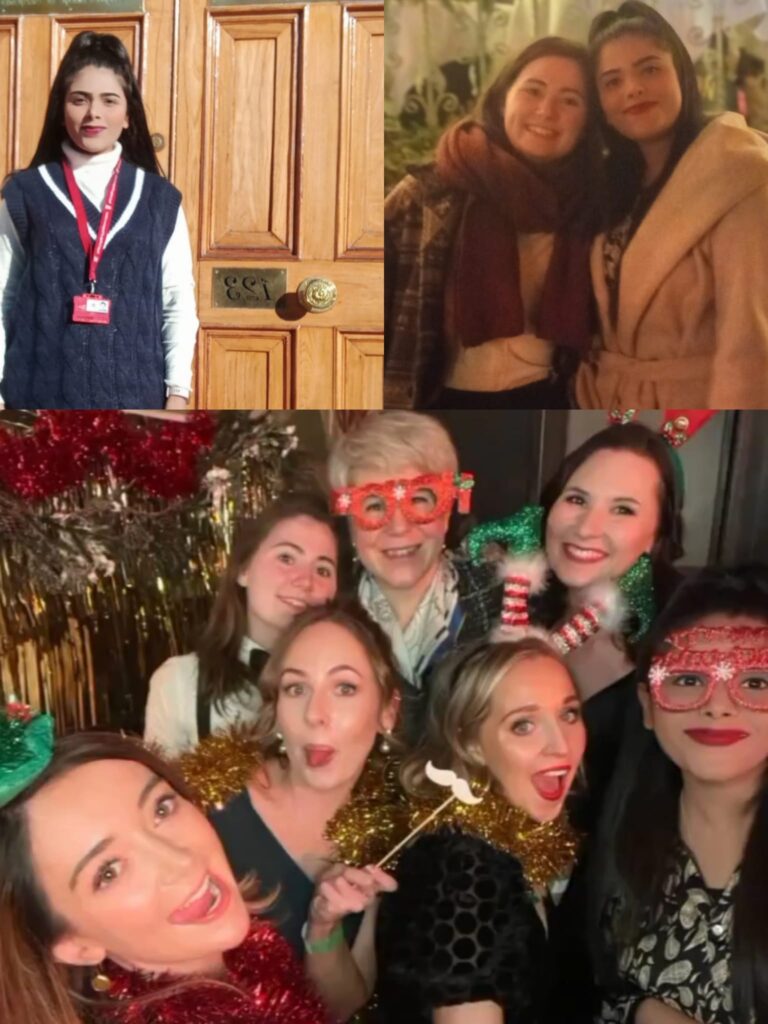
The most exciting opportunity of 2022 was my joining Dr Olga’s Lab as an MSc student. Welcome to the Research world full of uncertainty! Each day comes with a fresh set of surprises! Which is not uncommon in a lab environment. Sometimes things do not turn out the way we plan. But I am confident that every surprise will be worth it. My project contributes to the big ambition of Dr Olga’s team to develop an anti-cancer vaccine for children with neuroblastoma. It spans one year, which is rather short, but it gives me a fair impression of what a PhD journey might look like. I am already two months in, setting up my experiments, troubleshooting protocols and learning new things daily. Nevertheless, I enjoy that our team is outgoing, and I am eternally thankful to the whole team for their tremendous support and making me feel like I belong.

Outside of academics, I made a few adjustments. I got the chance to become acquainted with a new housing market, banking system, and visa administration as a non-Irish citizen. It seems simple, not really!  

I also enjoy challenging my long-held beliefs. For instance, the after-work hangout and drinks is an intriguing example of a cultural difference I’ve noticed here. In Portugal, I used to enjoy my lab breaks with some pastel de nata with black coffee, but now I prefer a cup of butter h0t chocolate, which is everywhere.

Ronja’s Travel to Vilnius University and the National Pathology Centre

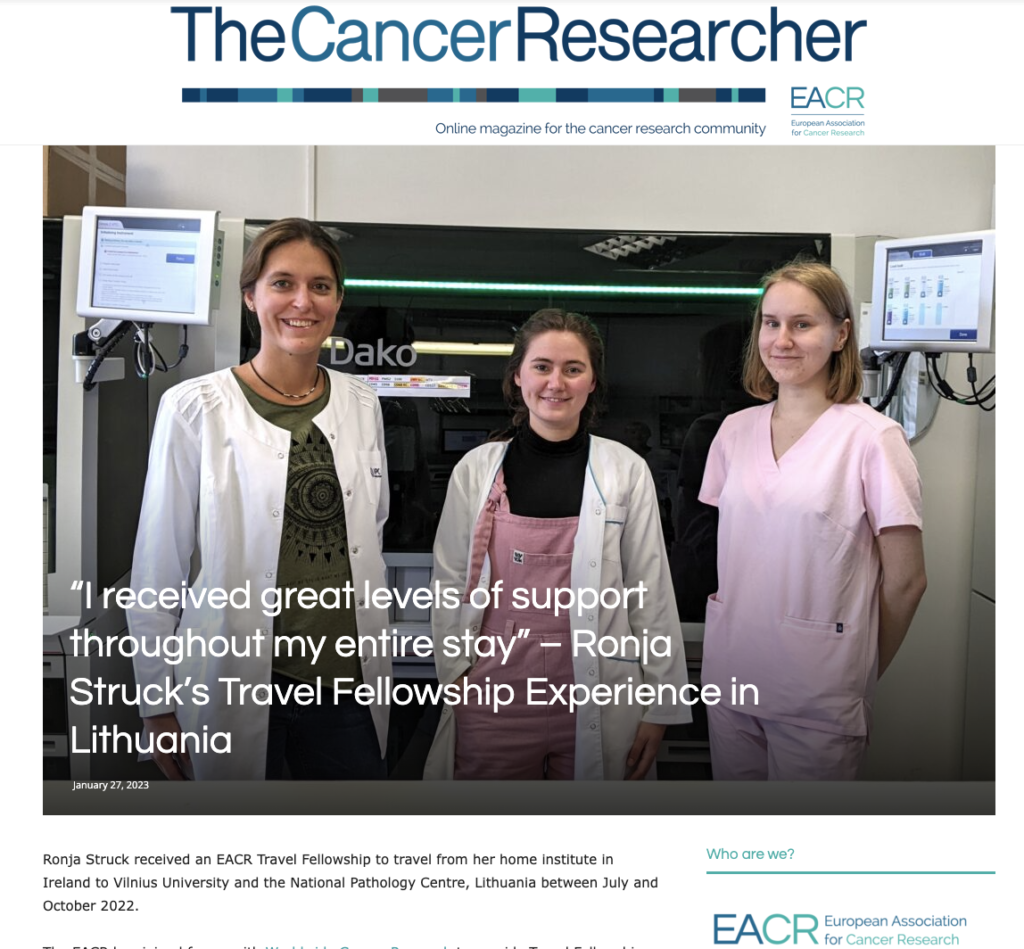
Ronja received a 3 months EACR Travel Fellowship to travel and learn new skills from RCSI Ireland to Vilnius University and the National Pathology Centre, Lithuania, between July and October 2022.

She reflected on her personal and professional experience in the EACR Cancer Researcher blog. Enjoy the reading!

Ronja PhD is supported by the Irish Research Council and the Conor Foley Neuroblastoma Cancer Research Foundation.

#GoForGoldCycle2022 covered 400 km and raised €1,500!

In September, we set ourselves the “#GoForGoldCycle2022” challenge for Childhood Cancer Awareness.

We started #GoForGoldCycle2022 at 9 am and finished at 7 pm on September 21, 2022. Each bike peddled 200km, totalling 400 km on a day.

We were delighted to see the RCSI main building glowing Gold to celebrate Childhood Cancer Awareness Month and acknowledge that every child with cancer, their heartbroken but resilient parents, siblings and family members, their friends, and all doctors, nurses and carers who go far and beyond to offer the best available treatment and support, all scientists, patient advocates and charities who work hard to improve current treatment protocols, find new drugs and request changes in the way childhood cancer are dealt with.

We closed the GoFundMe in October and counted the charity buckets. We are delighted to announce we raised a grand total of €1500! We are over the moon with this sum. 

Our three chosen charities: Children’s Health Foundation Crumlin (formerly CMRF), the Conor Foley Neuroblastoma Cancer Research Foundation, and Neuroblastoma UK, each received ~ €500. 

We’d like to say a big thank you to everyone who donated and contributed their cycling skills. It will make a huge difference for these charities, especially this year, paving the way to better treatment options for children with cancer.

How are you, PI?

Yeah, our (my) blogging is sporadic. The pattern is well recognisable – more posts with success stories or accomplishments or about the key activities. It is easy to share :). Please excuse us (me) when we are off the radar, but we remember our supporters and readers. We are back on track to celebrate Childhood Cancer Awareness Month this September.

So, how did my summer go? Well, nothing to complain about. I had time to go back to the labs, pick up on the outstanding task, and take on the white coat. Indeed, it comes with some assurance as well as troubleshooting. Some days were better than others. Some experiments worked, and another was inconsistent or inconclusive.

A fancy photo, but the routine cell culture itself can be very boring.

Where did I pick it up? This research journey is one year old already. 🙂 This project is focused on validation our 3D neuroblastoma model to test novel therapeutics. We set an experiment that required different expertise and contribution from every team member. In an ideal world, it was supposed to finish in 6 months. But the reality doesn’t stop to shake you. Various components have been delayed sometimes due to unforeseen circumstances (e.g. a broken equipment or out of stock reagent) or due to the lack of manpower or miscommunication at a given time. Eventually, we put the work on hold in October 2021, when we completed ~60%. Another go to continue was taken in April 2022. No luck! Then plan B was activated, and I have been back in the labs. Despite these challenges, this time has not been lost. We developed new ideas to complement the original plan. Now, the crucial 20% has to be done and dusted within 2 weeks time before teaching starts. Wish us a luck!

After the challenge of leading the Foundation Year Medicine Cycle, I am 100% positive that I love research with all up and downs. This routine is fascinating, it is not static. One day differs from another. Research questions are flowing in non-stop…

Congratulations Dr Frawley!

June 9th 2022 – A Big Day for Tom and me. This is the end of the 4th year PhD marathon. A long journey through scattered showers and sunny spells, gale winds and stormy snow with sunshine developing elsewhere, turning chilly under clear skies on some days with temperatures below/above zero. The full spectrum of emotions and hard work spiced up with the COVID19 restrictions’ uncertainty. All these together have moulded into a new high skilled researcher – Dr Thomas Frawley.

My greatest thanks to Tom’s examiners Profs Elena Aikawa (Harvard Medical School, USA) and Marc Devocelle (RCSI, Ireland)!!

This work would not be possible without the generous support from the Irish Research Council and National Children’s Research Centre.

Not quite all back to in-person – the EFEM student Symposium 2022

Despite our last blog post celebrating the regained opportunity to meet with other researchers in person and all the benefits that come with it I just had the pleasure of presenting at the first European Federation for Experimental Morphology (EFEM) Student Symposium online.

While it would have been easy for me to attend in person, as the event was hosted and organised here at RCSI, not many others would have had it quite so easy. As the name suggests, researchers from all across Europe attended. Every EFEM associated anatomical society across Europe and RCSI, as the host institution, had the opportunity to select two members to present. I was honoured to be chosen to represent RCSI. Overall, 15 different countries were represented in the student talks which made for a diverse mix that was particularly nice for the bit of organized fun at the end of the first day which encouraged networking.

Especially, because having only begun my PhD this past year I felt the category Preliminary Results and Outlook aimed at Undergrads, Masters and early-stage PhD students perfectly suited the stage of my project. This was also a brilliant way to see what other students at my level were doing in the field of anatomical research all across Europe. Having this chance to see research in progress was refreshing and uplifting contrasted with the usually more rounded later stage presentations. Having studied anatomy in my undergraduate degree I was also delighted to simply engage with more conventional anatomical research than I currently do myself.

Ronja Struck, 1Yr PhD student at the EFEM Student Symposium 2022

A wonderful opportunity to gain insights into, for example, the implicit knowledge of academia was the career development part of the conference. Talks about academia, industry and publishing offered a chance to get an inside view of those career paths at different positions within them. Especially the typical day in a research journal’s editor provided a new perspective on what is important when writing papers and will have lasting benefits for me and my scientific writing.

But by far the reason why I’ll remember this conference for the longest time is that being awarded runner up in the category Preliminary Results and Outlook reassured me that I am on the right track and that there is purpose in what I do. Despite the online format of the conference, I had the honour of receiving my prize in person, because Prof. Fabio Quondamatteo, the organiser of the event is based at RCSI.

Overall, the two days were an important step in consolidating my faith in my work and the career path that I have chosen.

Written by Ronja Struck, the IRC-CFNCRF funded PhD student

Return of the in-person conference – IACR2022

In-person conferences are back at last! In March 2021 I attended the IACR conference for the first time, albeit virtually. While there were some great talks at IACR 2021, the virtual experience was lacking in the networking and socialising opportunities that go hand-in-hand with traditional conferences. So I was very excited to be Cork-bound for IACR 2022 in March of this year.

To my surprise, my abstract was selected for a Proffered talk, meaning I had 10 minutes in the limelight of the IACR podium to present my research on immune markers in neuroblastoma. Having gone two years without presenting to a crowd, it was an adrenaline-filled experience, and it was great being surrounded by my colleagues after the talk rather than being at home alone in front of my computer.

Catherine Murphy, PhD student at IACR2022

There were many very memorable research talks and posters at IACR, but some of the best memories came from the moments in between the scientific sessions. From the train down to Cork with my lab group, to buffet dinners, a quick journey into Cork city, going for a swim in the lovely hotel pool, and singing and dancing the night away at the gala dinner on the last day of the conference.

One of the highlights of the conference for me was the awards ceremony at the gala dinner, where to my delight I was awarded the Best Proffered PhD talk! What a fantastic way to end a great few days at IACR 2022.

Written by Catherine Murphy
IACR Meeting 2022: 2 years + a pandemic in between

It was February 2020, just before one of the biggest global pandemics struck, that I attended the IACR as a research assistant. It was my first official conference and it is safe to say ‘Imposter Syndrome’ was my main feeling going down to Galway on the train. Fast forward 2 years and my feelings travelling to IACR 2022 in Cork could not be more different. It is amazing what starting a PhD during a pandemic can do for your confidence and skills as a researcher – a sink or swim moment if there was ever one. My first IACR in Galway was one to remember surrounded by like-minded scientists, all brimming with new ideas and exciting discoveries. As such, I had high hopes for IACR 2022. And it did not disappoint.

Ellen King, PhD student at the IACR Meeting 2022

My PhD project focuses on the development of a vaccine to treat neuroblastoma so I was very excited to hear talks from some of the leading experts in vaccine research, both in industry and academia. I gained so much from hearing these experts discuss their research but also discussing other important topics like career progression and how to keep a work/life balance in research. It was refreshing to hear that as scientists we don’t have to (and shouldn’t) work ourselves to the bone 24/7 to be successful. As a young scientist planning to continue into academic research, this left a lasting impression on me. To top off what was already a hugely beneficial conference for me, my poster was shortlisted for a prize. I was shocked, delighted and excited all-in-one. Starting my PhD during a pandemic was not without challenges. Delays in deliveries, delays getting trained on equipment and multiple lockdowns led to what felt like (for me) quite a disjointed start. For my research to be shortlisted by experts was, to be honest, a relief. To know that my work stood out was extremely important to me and that all the hard work does pay off. When my name was called out at the Gala dinner as a Poster Prize Winner, all the doubts that I had (doubts that we all have as scientists) disappeared. I felt very proud and very grateful that my research was recognised at that level. There is no doubt that in-person conferences give a huge boost to young researchers, and I really look forward to presenting my work at the next IACR meeting.

Written by Ellen King