Congratulations to Dr Cat Murphy!

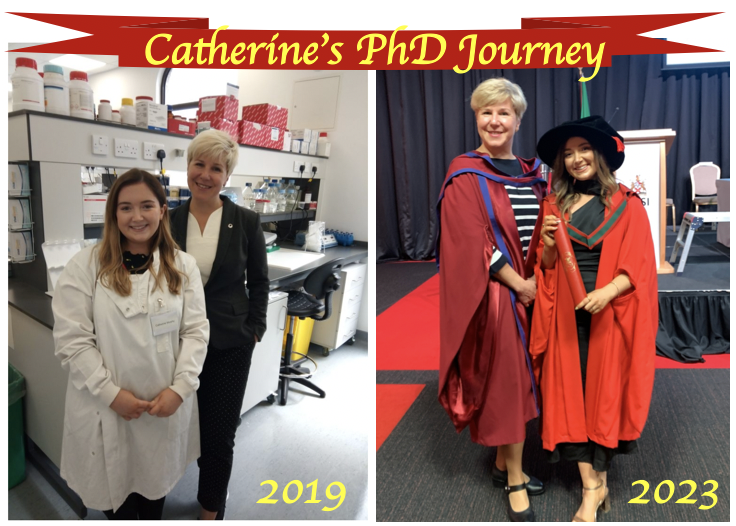
November 22, 2023 – Catherine was officially coined Dr Catherine Murphy. A Big Day for Catherine, her family and me.

Catherine joined our team in July 2019 to carry out a research project funded by Neuroblastoma UK. In this project, she aimed to use 3D culturing to engineer a novel experimental model and study the biology and immunology of neuroblastoma, an aggressive childhood cancer. There was the full spectrum of challenges and hard work spiced up with the uncertainty of the COVID-19 restrictions!

The PhD journey is never a straight line. It has a range of colours with 50+ shades for each. There are black alleys and hidden cul de sacs. Between July 2019 and June 2023, some days were sunny and bright, and some had scattered showers, gale winds and stormy snow, with sunshine developing elsewhere. The journey was spiced up with publications, conferences, travels, days out and fundraising events with the team.

Of note, she was behind our Twitter activities and blogging #AskCat, making our team visible! All these together have moulded into a new multi-skilled professional – Dr Catherine Murphy!

Well done to Catherine! Wish you the best of luck in your new adventure!

Women in Science: Mary Golda Ross

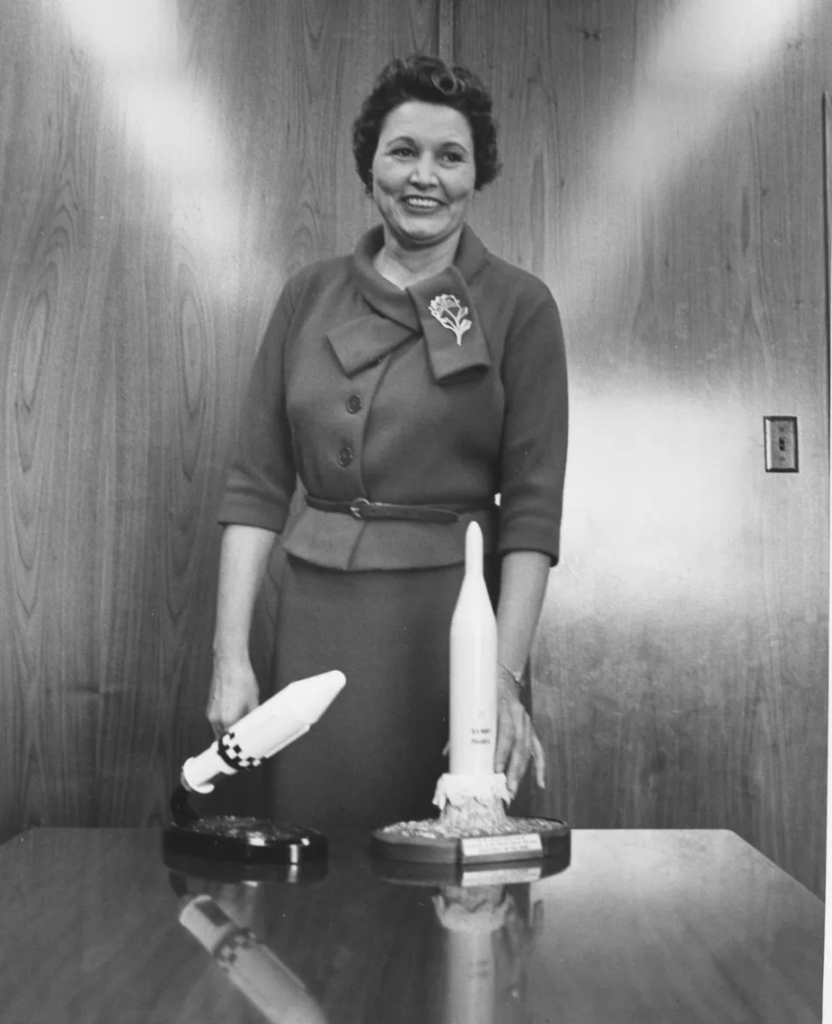
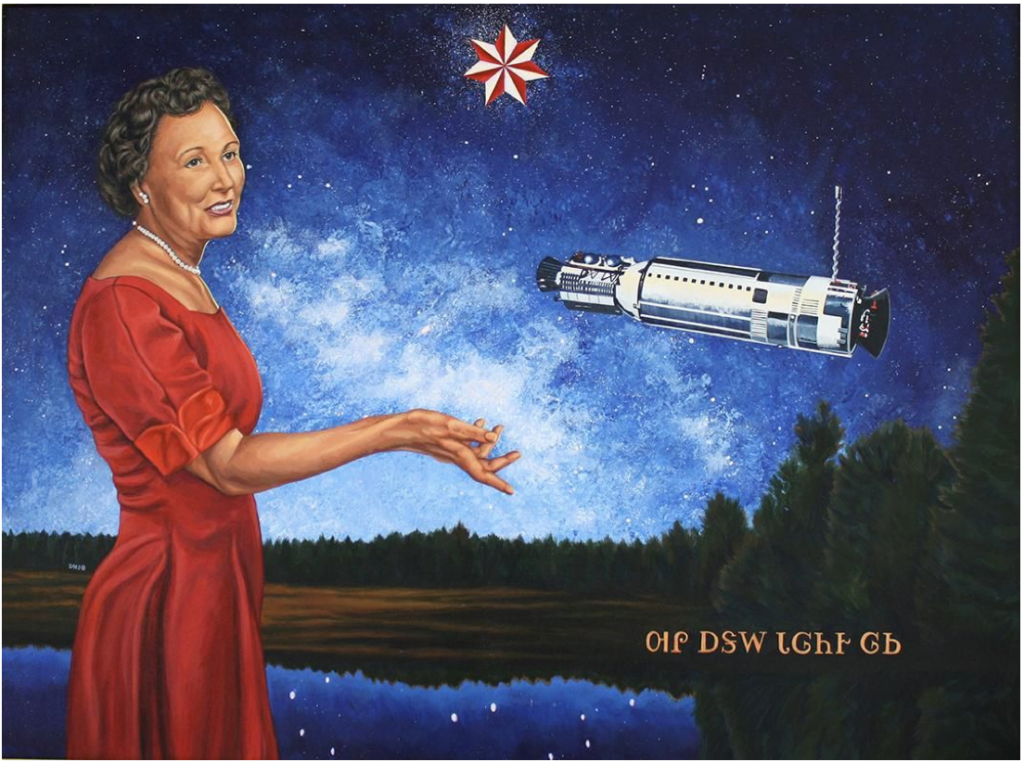
A woman from a background of adversity cannot be shaken when confronted with resistance. Mary Golda Ross was, “the kind of person who would walk through a door and stick in her foot to make sure that it stayed open for others”. She followed her passion and held her own to become the first Native American female engineer in the 1940s. Ross was a pioneer of rocket science and was an integral part of, still to this day, classified research on interplanetary space travel.

Mary Golda Ross was the great-great-granddaughter of John Ross, the chief of the Cherokee nation. About 70 years before Mary was born, John was tirelessly resisting the seizure and erasure of Cherokee lands and culture by the U.S. Government. In 1838, due to the Indian Removal Act, tens of thousands of Cherokee were forcibly removed from their homes and forced to march over 1,200 miles (about 1,930 kilometers) into present-day Oklahoma. Thousands died during the journey. Mary was born in Park Hill, Oklahoma in 1908. As a student in the Cherokee Nation, Mary was very bright and caught on to mathematics quickly. During her university classes, Mary was ostracized for her interest in STEM as she found herself alone on one side of the classroom with the men on the other. As was the case with many women in science at the time, she both learned and excelled academically with a massive lack of support.

After receiving her bachelor’s degree, Mary held teaching positions and became a statistical clerk at the Bureau of Indian Affairs. While working, she took astronomy classes at the present-day University of Northern Colorado and earned her master’s degree in mathematics in 1938. A full 100 years after the Trail of Tears. Soon after, World War II had started and Mary moved to California to help with the war efforts, as 1 in 4 women worked outside the home during this period. She was hired as a mathematician in 1942 by Lockheed Aircraft Corporation, an aerospace engineering company. Her first project was analyzing the effects of pressure on the design of the P-38 Lightning, the fastest fighter jet in the world at the time, reaching speeds of 400 mph (640 km/h) in a level flight. Mary’s ambition did not stop there as she began to wonder how to become involved in space travel.

When the war ended, Lockheed saw her brilliance and sent her to UCLA where she earned a professional certification in engineering in 1949. Carrying on her engineering work in 1952, Mary helped found Lockheed’s Advanced Development Program, otherwise known as Skunk Works. She was the only woman engineer on this team, and most of the research from this program is still classified. However, it is known that Mary developed technology for space exploration and orbiting satellites. Mary’s work also helped develop the Agena spacecraft used in the Gemini and Apollo space missions. In 1966, Mary was a primary author for NASA’s Planetary Flight Handbook Vol. III, a still relevant source for space travel. Even suggesting the possibility of travelling to Mars and Venus.

Mary retired in 1973 and was influential in both the American Indian Science and Engineering Society and the Society of Women Engineers. She worked hard to encourage increased participation of Native American youth in STEM fields. As of 2021, there are less than 1% of Native Americans that comprise the STEM workforce; only 2% of the U.S. population is Native American. She advocated for more resources offered to Native Americans interested in STEM and increased knowledge of her ancestors’ history. Mary attended the 2004 opening of the Smithsonian National Museum of the American Indian in Washington, D.C., wearing a traditional Cherokee dress. Upon her death in 2008, Mary endowed the museum with $400,000. Mary had told the Los Altos Town Crier, “The museum will tell the true story of the Indian – not just the story of the past, but an ongoing story”. Mary had dreams that reached the stars, and she never stopped chasing them. She trailblazed a path for those who followed in her footsteps to find a way, no matter what barriers were present.

Written by Alysia Scott.

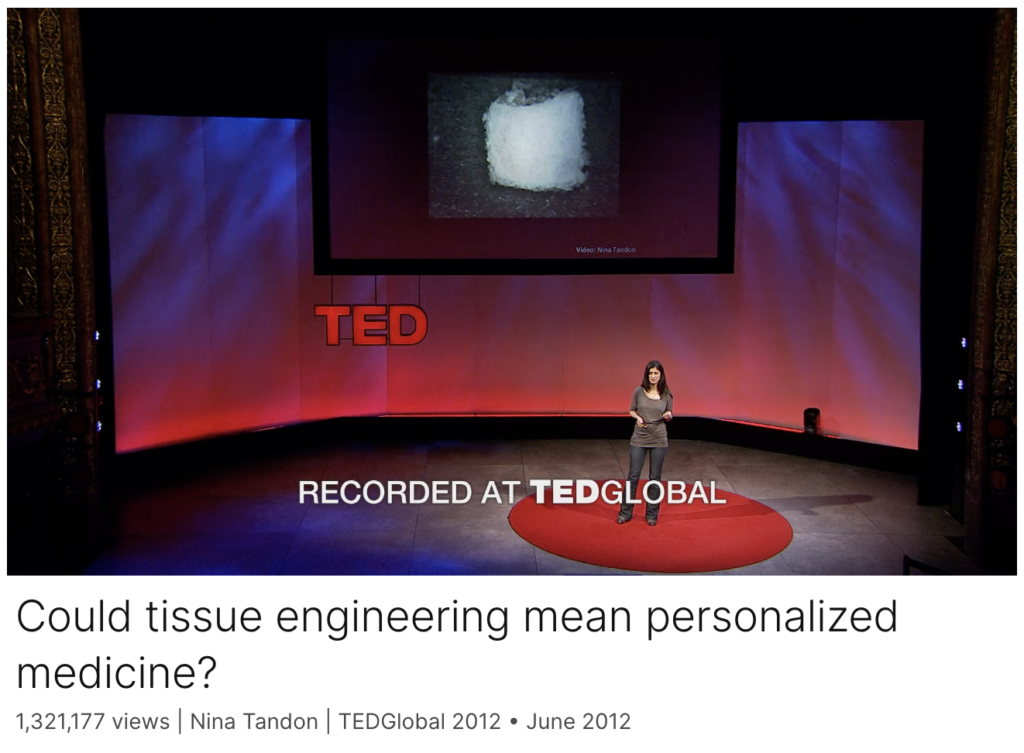
Women in Science: Dr. Nina Marie Tandon

Throughout history, women in science have faced the hard challenge of navigating societal biases and limited opportunities in their pursuit of scientific discovery. Many of them were unjustly denied access to education and research positions just because of their gender, as it was thought that women were not capable of rigorous scientific work.

In the present, women in science (and in many other fields) still need to face many obstacles and challenges:

  1. Gender Bias: Women in science still encounter bias and stereotypes that can hinder their progress. They may face scepticism about their abilities and qualifications, leading to a lack of recognition for their work. Gender bias can also manifest in subtle ways, affecting opportunities for advancement and funding.
  2. Unequal Pay: Gender pay gaps persist in many scientific fields, with women often earning less than their male counterparts for similar work and qualifications.
  3. Limited Representation in Leadership Roles: Women remain underrepresented in leadership roles within academia, research institutions, and industry.
  4. Work-Life Balance: Balancing a career in science with family responsibilities can be particularly challenging for women. The demands of research, long working hours, and frequent travel can conflict with traditional gender roles and family expectations.

A woman and scientist who has certainly not let herself be stopped by all these adversities is Dr. Nina Marie Tandon. She has been a key player in the field of biomedical engineering, tissue engineering, and regenerative medicine. Her work focuses on developing innovative methods to grow artificial organs and tissues, using patient’s own cells to engineer tissues and organs. One of the cornerstones of Tandon’s work is the use of induced pluripotent stem cells. iPCs were developed in Japan pretty recently and are derived from skin or blood cells that have been reprogrammed back into an embryonic-like pluripotent state. This enables the development of an unlimited source of any type of human cell needed for therapeutic purposes.  

Tandon and her team employ cutting-edge bioreactors and 3D printing techniques to construct tissues: bioreactors provide a controlled environment for cells to grow and develop into specific tissue types, while 3D printing technology is used to create complex structures that mimic the architecture of natural organs.

In 2013, Tandon co-founded EpiBone, a biotech company that specializes in growing personalized bone grafts. EpiBone employs patient-specific stem cells to create skeletal structures based on individual DNA profiles, reducing the risk of rejection, streamlining surgical procedures, and potentially expediting patient recovery. They use a three-step process that begins with obtaining bone measurements and stem cells from abdominal fat via a CT scan, followed by creating a bone model in a bioreactor to stimulate growth. Finally, the patient’s own stem cells are added to the newly developed bone in the bioreactor, resulting in a fully functional replica bone ready for use.  Nina Tandon is also known for her engaging and informative TED Talks, where she discusses the future of medicine, tissue engineering, and the impact of regenerative medicine on healthcare.

I really admire Nina’s work, which I find genuinely fascinating. I believe her passion and determination come through in her TED talks, where she effectively manages to communicate complex scientific concepts and the potential of regenerative medicine to a broad audience.

Click on the image to listen to one of her TED talks. Enjoy it 🙂

Written by Federico Cottone

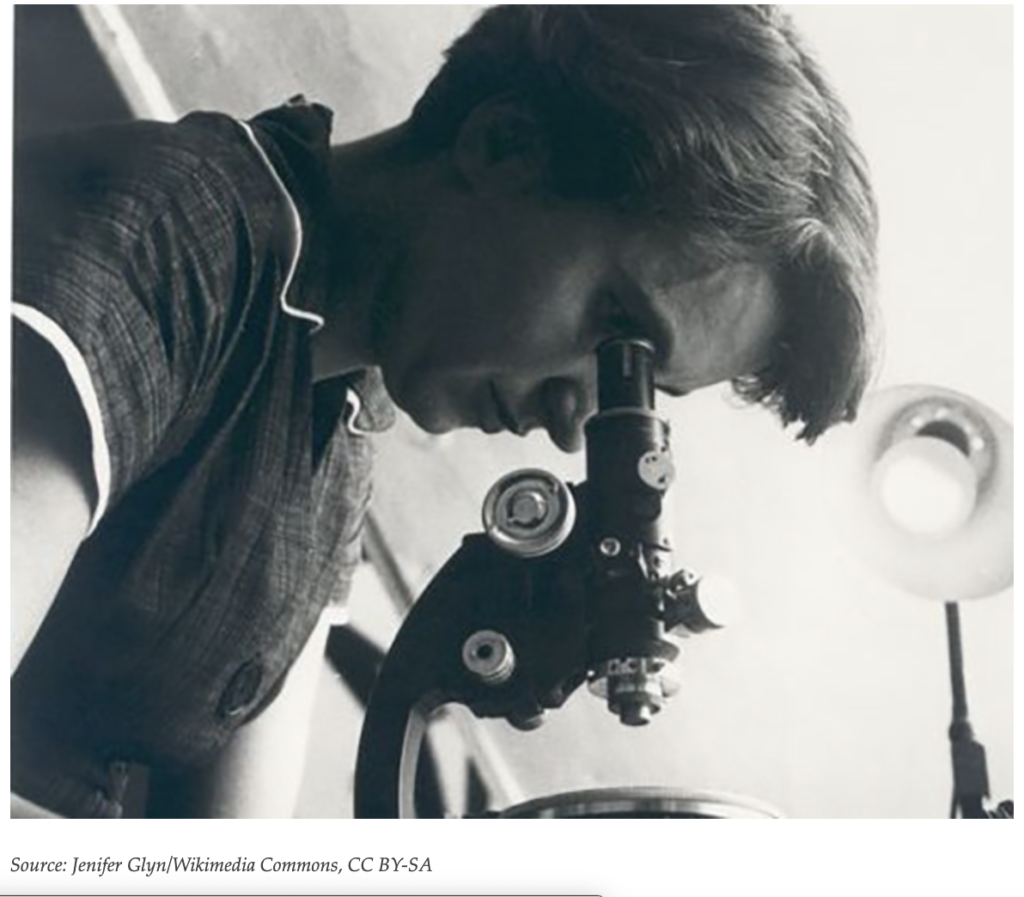
Women in Science: Rosalind Franklin

On a blog post series of Women in Science by a Cancer Bioengineering lab, you didn’t think you were going to get around reading about Rosalind Franklin, did you? In recent years, she finally started to receive the acknowledgement she is owed, placing her all the way up there in terms of famous scientists with Marie Curie and Albert Einstein.

As mentioned by Ellen last week, there were only ever 13 women to win the Nobel Prize in Physiology or Medicine. But in 1962, it was erroneously bestowed upon three men for the scientific breakthrough of a woman. This blog post would just as well fit into a true crime in science series.

All down to misogyny and a single piece of evidence: Photograph 51, an X-ray crystallography of the structure of DNA viewed perpendicular to the DNA fibre axis, revealing the double helix structure.

You will likely all remember James Watson and Francis Crick from biology classes in school. You were probably taught that they figured out the structure of DNA.

But at the same time, they worked together in Cambridge, Franklin was working together with her PhD student Raymond Gosling at Kings College in London. Forced to work alongside Maurice Wilkins, who did not take well to her confident, goal-oriented ways, which led her to criticise her well-respected peers and dared to interrupt and correct them.

Leading to her downfall in the race with Watson and Crick was that Franklin complied with her understanding of scientific ethics, and rather than rushing to publish her findings, she sought to verify them and replicate the findings in Photograph 51.

Betrayed by her colleague Wilkins after ample tensions over the years. He passes her priceless finding to the competition, allowing Watson and Crick to model the double helix, publish a breakthrough paper and relegate her to a methods paper in the same issue of the nature journal.

Tragically, her young death at 37 from ovarian cancer prevented her from witnessing the Nobel Prize being awarded for discoveries in the molecular structure of DNA four years later. Which in 1962 was not to be awarded posthumously. Instead, her reputation for years was dominated by the more than unflattering recollections in James Watson’s biography. The book clued the public into the crimes the three men committed. All the while tarnishing Franklin’s name, portraying wildly misogynistic images and downplaying her indisputable contribution to science. Only after society as a whole changed its views on women and misogyny did perceptions of Rosalind Franklin and James Watson finally get corrected.

Today, Rosalind Franklin’s legacy stands as a symbol of tenacity, intellect, and an unyielding spirit that will inspire generations to come. It is about time that science books get rewritten to remind us that those are the virtues we should hold in high regard. Rather than the yearning for glory and a legacy that we see in the pressure to publish, the chase of impact factors never intended to rank journals and scientists but as a tool for librarians and the impossible climb through academia, forcing impossible expectations on principal investigators to take on endless students and responsibilities. Let’s take this opportunity to refocus and make sure it’s the pursuit of knowledge and answering questions that drive science forward that determine our decisions.

Written by Ronja Struck