Rabia Saleem: My Portuguese Journey

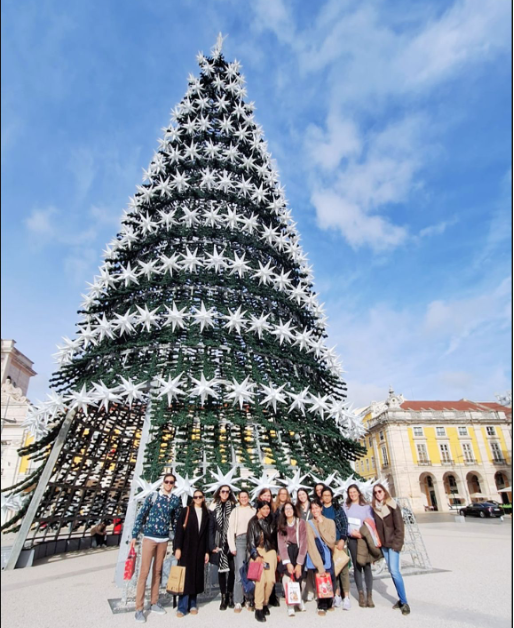
I’m in my third year of a PhD at RCSI and recently completed an RCSI-funded secondment. Reflecting on it, it has been one of my most enjoyable and valuable experiences so far. Coming back to Ireland after the secondment feels great. I’m feeling refreshed and eager to dive back into my work.

I spent my placement at the University of Lisbon’s Department of Pharmacy, working in Prof. Helena Florindo’s lab. Everyone was super welcoming, which made it easy to settle in and get started without any stress.
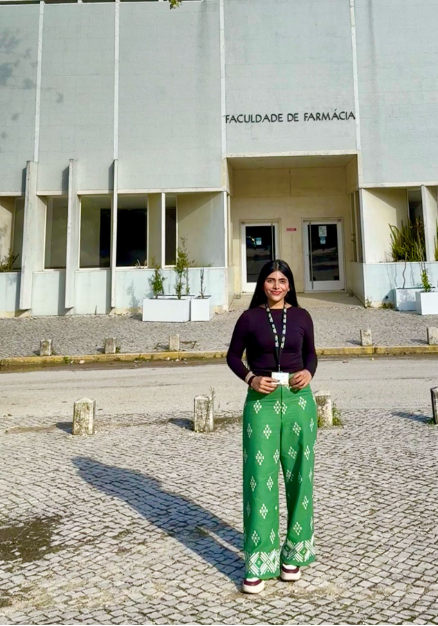
Most of my time in the lab was spent preparing biodegradable nanoparticles using a peptide from my project. I also got to run some ex vivo experiments and even joined in on in vivo work under supervision, a completely new and really exciting experience for me. The best part was seeing some promising results come through, which was really encouraging.

Outside the lab, Lisbon was just a lovely place to spend time. I picked up a little Portuguese, enjoyed the sunshine, and appreciated the relaxed pace.

Now that I’m back, I’m excited to finish up the last bits of my project and build on what I learned during the secondment. Overall, it was an amazing experience, both for my research and personally.
Written by Rabia Saleem, the IRC PhD student
Looking at Brain Tumors, One slice at a Time 

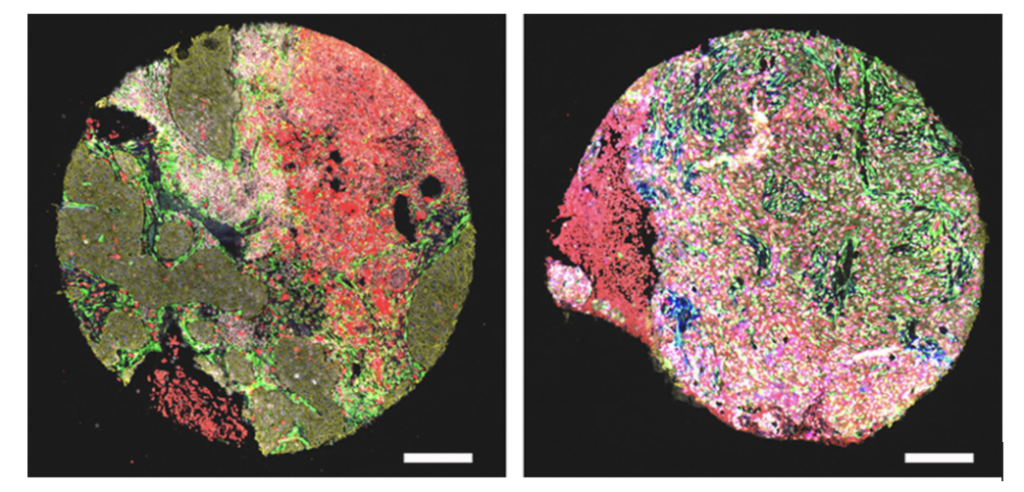
’m writing to you from the Biomedicum, a research facility at the University of Helsinki. As you can probably guess, I didn’t travel here for the Finnish weather, but to collaborate with a team that is part of the European Mac4Me consortium. This group specialises in a fascinating imaging technique called multiplex immunohistochemistry. In simple terms, they take patient tissue samples or samples created in the lab and cut them into incredibly thin slices—just 4 micrometres thick, which is about 4/100ths of a millimetre. They then use multiple rounds of staining with antibodies to visualise different tumour markers and map out exactly where these markers are located within the sample. You can see an example of this stained tissue below. 

Cutaneous squamous cell carcinoma samples stained for 4 different markers using multiplex immunohistochemistry. 
Viiklepp K Journal of Investigative Dermatology. 2025 

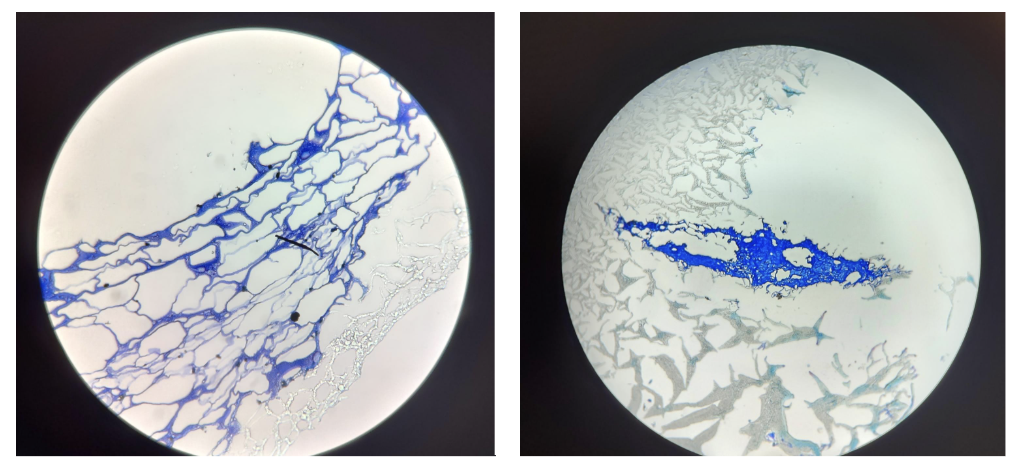
For this project, I brought along different versions of a “brain-like” hydrogel I’ve created in the lab. These hydrogels have varying stiffness and molecular compositions, and they contain Neuroblastoma tumour cells growing within them (you can see simple cell staining below). My goal here is to use the lab’s advanced imaging machine to observe how these tumour cells behave. I want to see if they are multiplying, if they seem stressed or healthy, and how they adapt to the different molecular environments of the hydrogels. 

This approach will be incredibly valuable for studying how the tumour’s surroundings—the microenvironment—influence the spread of Neuroblastoma to the brain. It will also help us understand what happens when we add new molecular components to the hydrogel to more closely mimic the brain environment. Looking ahead, I plan to use this same technique for an even more complex experiment: by growing immune cells together with the neuroblastoma cells, I hope to visualise and identify the specific pathways the cancer cells use to communicate with and potentially suppress the immune system. 

Neuroblastoma cell line (in blue) in a hyaluronic acid-based hydrogel. Day 1 left and day 5 right. 

Written by Pierluca Cancellieri, Mac4Me MSCA PhD

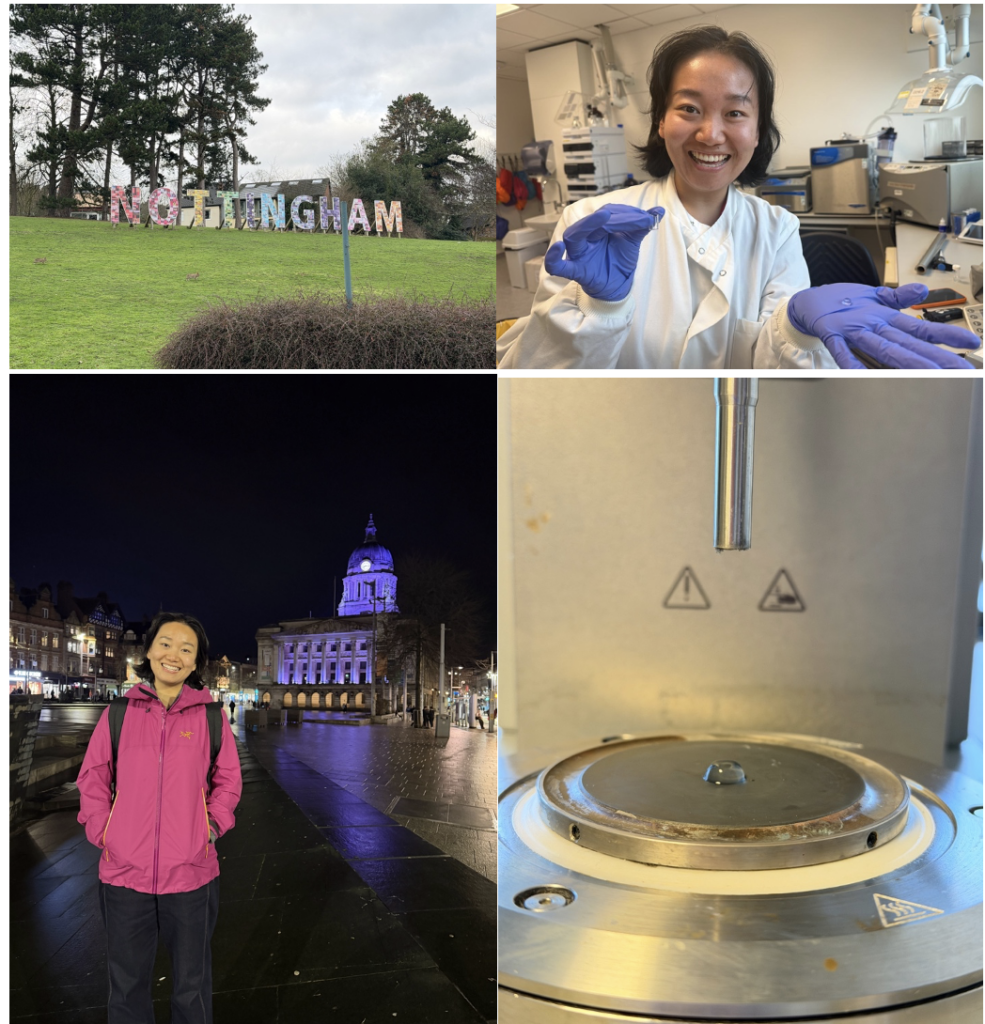
My 1st Mac4Me Secondment – Nottingham 2026

It’s great to be back! Returning to the University of Nottingham for my secondment with PeptiMatrix feels like coming full circle since finishing my undergrad here.

Stepping into the lab felt instantly familiar. Because I already knew the layout, I could breeze through the initial induction and training and get straight into the exciting part: the science.

I have to say, the lab is so well-organised, and it’s packed with some impressive new kit. I’ve already spotted an automated cell culture system and a 3D printer, but the equipment I’m most excited about is the rheometer, which will be central to my project.

I also got hands-on right away, learning how to make peptide hydrogels and even how to encapsulate cells into them. It’s amazing to see the building blocks of tissue engineering coming together right before my eyes.

There are plenty more cool things planned for the coming weeks. I’ll be sure to keep you updated on the journey.

Written by Chunyu Yan, Mac4Me PhD student