
Charting New Territory in Neuroblastoma: A Marie Curie Fellow’s Perspective

As a DevelopMed Marie Skłodowska-Curie Fellow, I am committed to advancing childhood cancer research by investigating the biology of neuroblastoma, a complex and aggressive paediatric solid tumour. My research focuses on the high-risk form of the disease, where amplification of the MYCN oncogene is strongly associated with poor prognosis.

The project aims to elucidate the pathway crosstalk regulated by MYCN—specifically, how it alters normal cellular signalling and governs the critical cell fate decisions between proliferation and apoptosis. By employing mass spectrometry-based proteomics combined with systems biology approaches, I am constructing a comprehensive map of MYCN-driven signalling networks to identify potential therapeutic targets that could improve clinical outcomes for affected children.
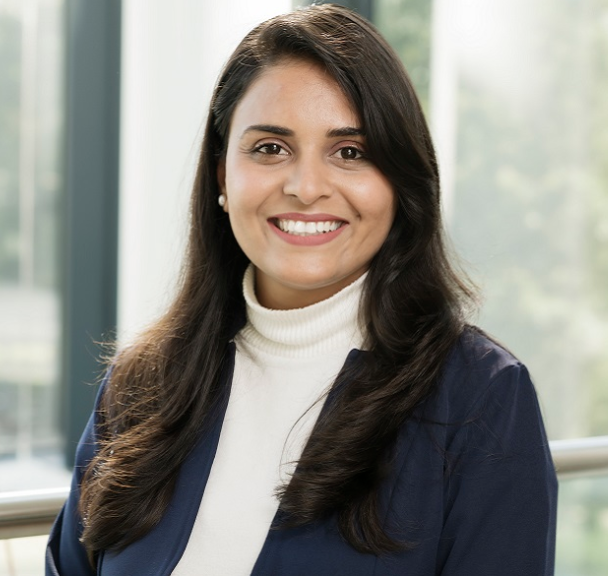
A distinctive and rewarding aspect of my fellowship is my role as a visiting scientist at the Royal College of Surgeons in Ireland (RCSI), where I collaborate with Dr. Olga Piskareva’s lab, an internationally recognised leader in 3D neuroblastoma research. Here, I am gaining hands-on experience with 3D neuroblastoma spheroid culture systems, which more accurately recapitulate tumour behaviour compared to traditional 2D models. These advanced systems enable a deeper understanding of drug responses, tumour architecture, and cellular interactions in a physiologically relevant context.

This collaborative framework between UCD and RCSI fosters a dynamic, translational research environment and exemplifies the core values of the Marie Curie programme—innovation, collaboration, and real-world impact.

Every stage of this journey—from pathway elucidation to 3D model validation—contributes to the overarching goal of developing more effective, targeted therapies for children diagnosed with neuroblastoma.

Written by Rashmi Sharma
From Bench to Belfast 

Thanks to the Breakthrough Cancer Research Education and Travel Award, I had the chance to attend the Irish Association for Cancer Research (IACR) Conference 2025 in Belfast—an insightful and rewarding experience. 

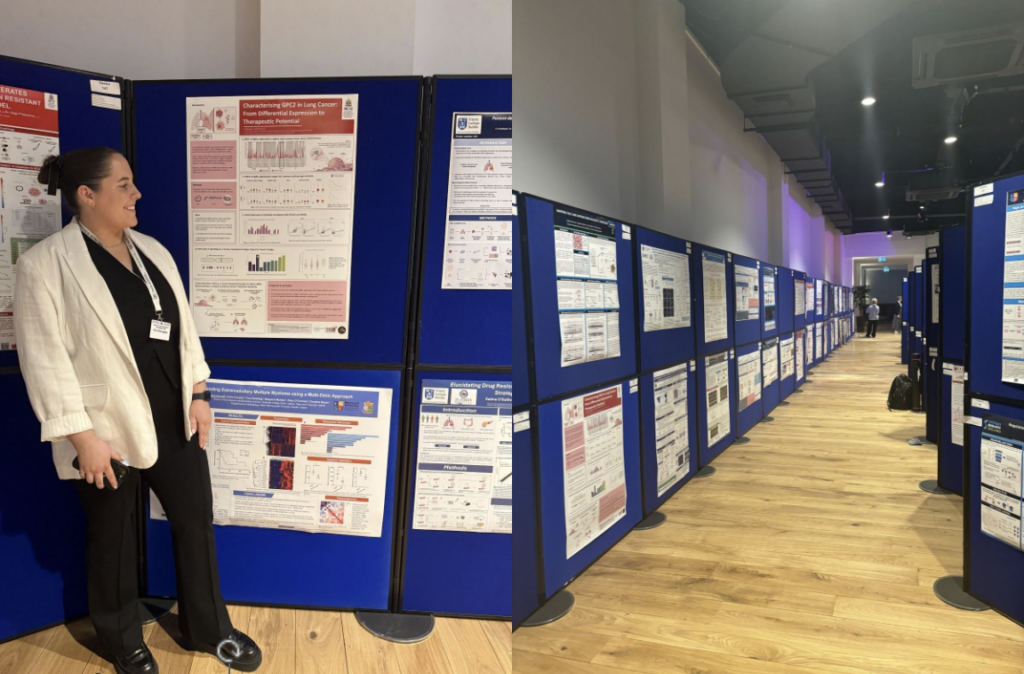
I presented a poster on my research into the regulation of GPC2 in lung adenocarcinoma and squamous cell carcinoma. The poster session was a great opportunity to share my work, receive constructive feedback, and speak with researchers working on similar topics. These conversations have given me new ideas to take back to the lab. 

One of the most valuable sessions for me was the “PPI in Action” workshop, which focused on making patient and public involvement more inclusive. It introduced me to new perspectives on how researchers can engage directly with patients and the public. I left inspired to explore starting a PPI group for lung cancer at my own institution. 

Another highlight was the Patrick Johnston Award session, where early-career researchers presented their work in lay terms. It was a strong reminder of the importance of clear, accessible science communication. 

Beyond the conference, I enjoyed exploring Belfast—Victoria Square offered amazing views, and the architecture around City Hall was well worth the visit. 

Overall, the conference was a great opportunity to connect, learn, and reflect. I’m very grateful to Breakthrough Cancer Research for supporting my attendance and look forward to applying what I learned to my research going forward. 

Written by Eve O’Donoghue

My Chinese leg of the PhD journey

Hi, it’s Lin again!  

Welcome to my first blog post of the year—and the first in two and a half years. You might be wondering what I’ve been up to during that time. Let me catch you up! 

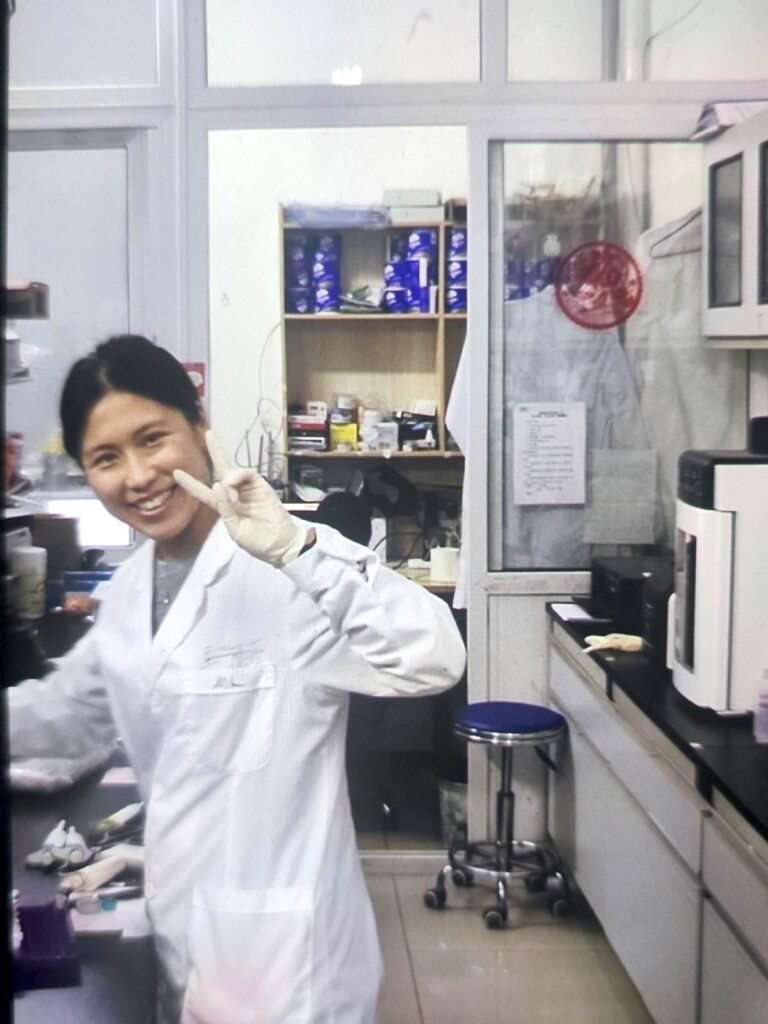
I’m currently pursuing a joint Ph.D. programme between the Royal College of Surgeons in Ireland (RCSI) and Soochow University (SU) in China. For the past two years, I’ve been based at SU. My project has offered me a unique opportunity to experience and compare research environments across two countries, each with its own strengths, workflows, and lab cultures. 

So, what is it like working in a Chinese research lab? 

Beyond the routine experimental tasks, one of the standout features of this lab is its comprehensive capacity for conducting animal studies—all performed in strict accordance with ethical guidelines. I’ve had the opportunity to observe and work with a wide variety of laboratory animals, including mice and rabbits. Interestingly, depending on the specific needs of a project, researchers can even select animals based on precise characteristics, such as coat colour or genetic background. 

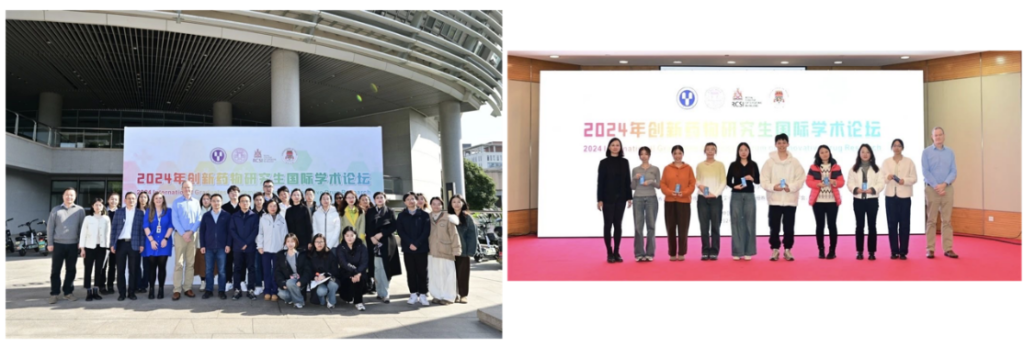
In addition to lab work, the research environment here provides frequent opportunities to attend academic conferences and participate in scholarly exchanges. These events are invaluable for sharing findings, building professional networks, and exploring future collaborations—both nationally and internationally.

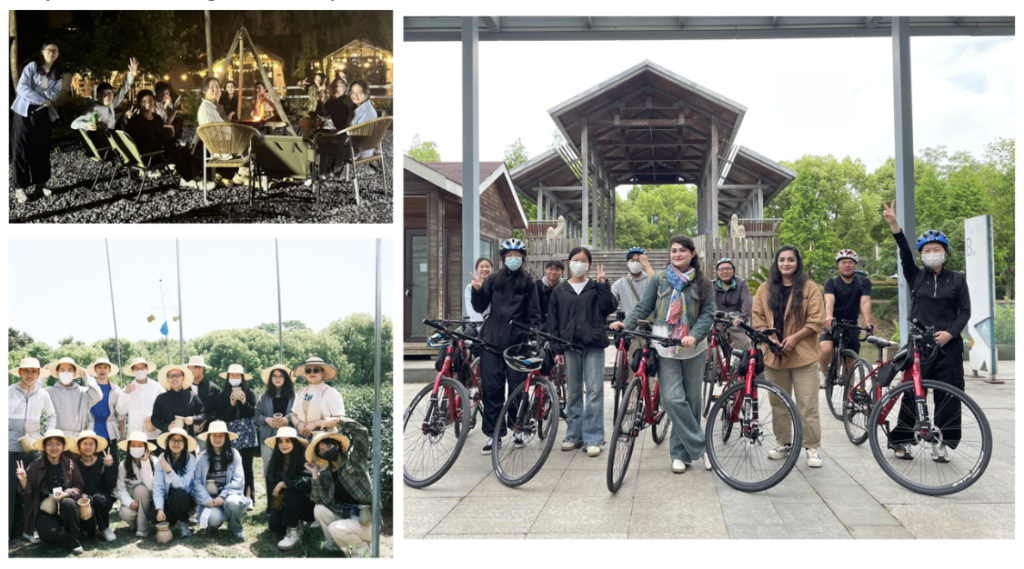
Outside the lab, work-life balance is also encouraged. My colleagues and I often take part in group outdoor activities like cycling around the nearby lake, camping, and barbecuing. These shared experiences not only bring joy to our daily lives but also help foster stronger team spirit and collaboration.

And the good news is – I have just submitted my PhD thesis! Onwards and Upwards!

Written by Lin Ma