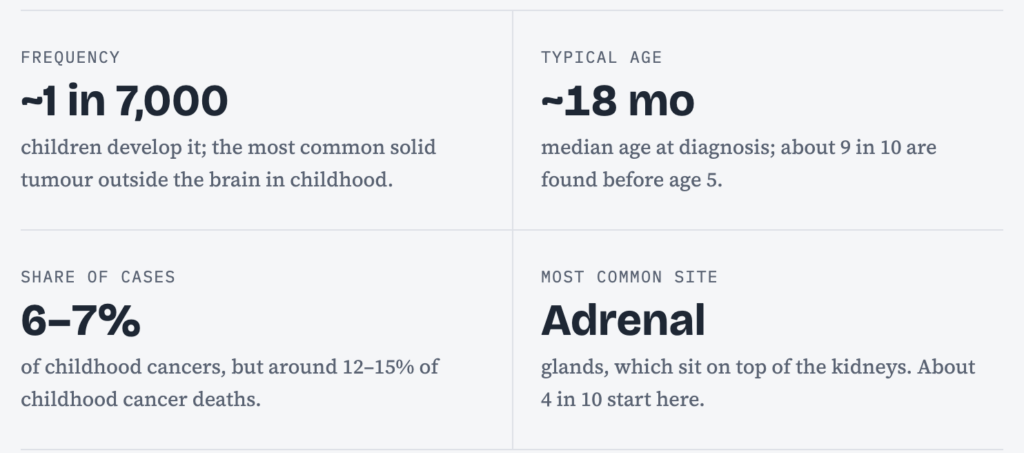
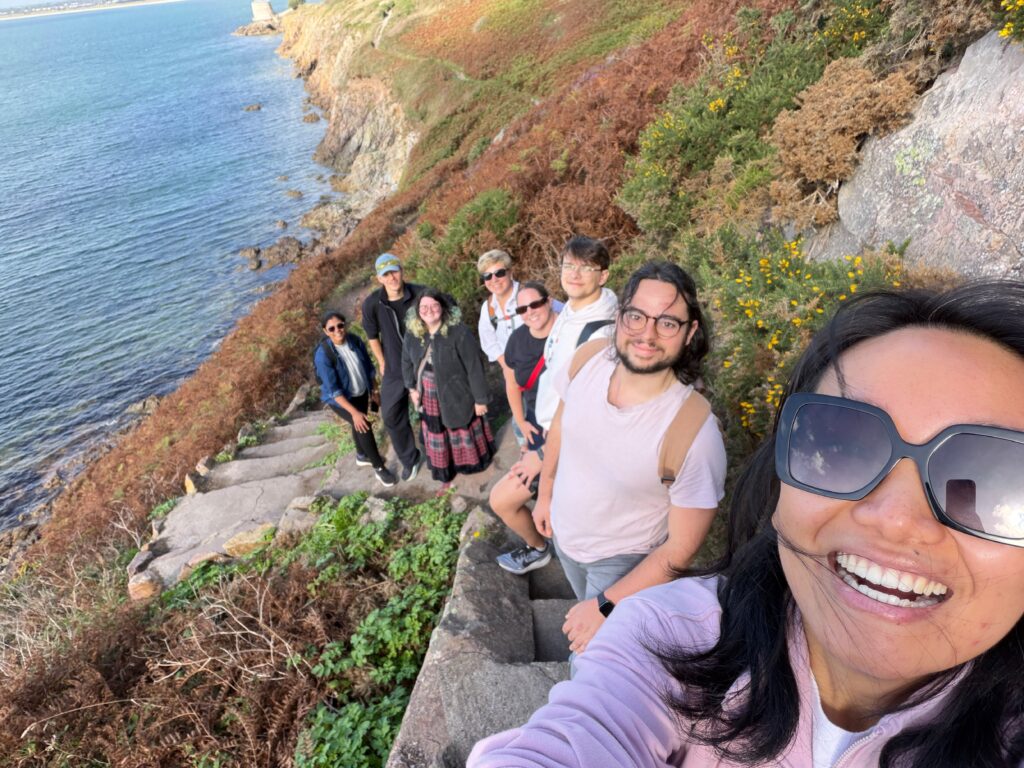
This September, our team laced up our boots for Childhood Cancer Awareness Month to join Neuroblastoma UK’s campaign. Eight of us each walked ~14 km, 112 km in all, to raise awareness of neuroblastoma. 1 km for each child diagnosed with neuroblastoma in the last 12 months in Ireland and the UK. This cancer of developing nerve cells mostly affects babies and young children, and it’s still one of the hardest childhood cancers to treat.
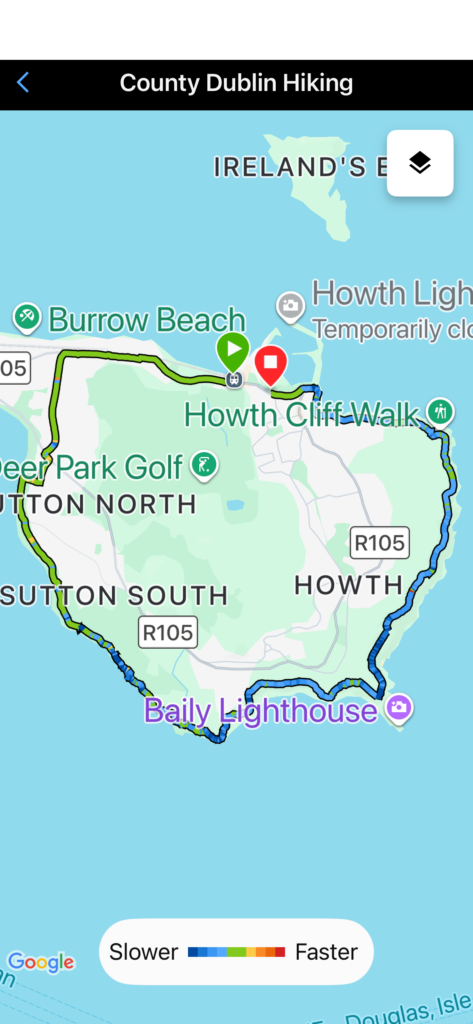
We chose Howth for our route. Starting near the harbour, we headed west along the shore towards Sutton, then followed the coast south and east around the headland. We passed the Baily Lighthouse and climbed onto the cliff path, and the last stretch took us along the Howth Cliff Walk back to where we’d started. We had sea views the whole way, and a few tired legs by the end.
Every kilometre was a chance to talk about neuroblastoma: how its early signs are easy to miss, and why research into better, kinder treatments matters. Families facing this diagnosis walk a far harder road than we did, and we walked with them in mind.
Thank you to everyone who cheered us on. If you’d like to support the Conor Foley Neuroblastoma Cancer Research Foundation and Neuroblastoma UK, you can donate to our GoFundMe page.