Sparkles of A Researcher Day

Once I mentioned the importance of the publication track record for a career in science. My team has been productive despite the COVID pandemic. Two review articles were published.

The first was a review written by Tom and published in Cancers focusing on the small extracellular vesicles produced by cancer cells that can transfer various growth signals to the tumour microenvironment aka neighbourhood and promote tumour expansion. The signal in focus was a protein called epidermal growth factor receptor (EGFR). It contributes to the healthy fitness of many different cells in the body. However, many cancer cells produce an excess of this protein giving them an advantage of growth over normal cells. Increased EGFR can be seen in breast, lung, glioblastoma and head and neck cancers.
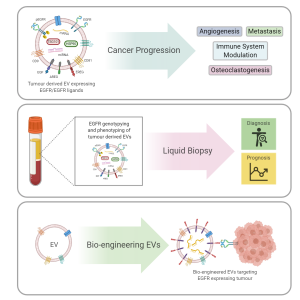
Cancers 2020, 12(11), 3200; https://doi.org/10.3390/cancers12113200

The second review has been published in Journal of Personalized Medicine on March, 16th. Originally, it was a small review project for Nadiya, a medicine student, last summer. However, it became a big one with all data systematically collected, analysed and condensed. The focus of this review was on Retinoic Acid (RA), widely known as Vitamin A and its role in neuroblastoma. RA plays a vital role in human development. The main feature of RA is to push neuroblastoma cells to become neuron-like cell stopping their aggressiveness and cancer fate. So, we wanted to know more about the ongoing research both in the labs and the clinic. We reviewed primary research articles reporting basic and translational findings as well as clinical trials. Hopefully, it would help other researchers to get a full picture of this topic and a structured resource of experimental models and drugs tested.
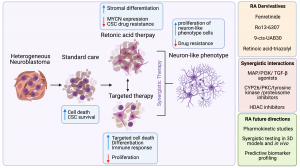
J. Pers. Med. 2021, 11(3), 211; https://doi.org/10.3390/jpm11030211

International Childhood Cancer Awareness Day 2021

Every year, we celebrate Childhood Cancer Awareness Day Internationally. Pre-COVID times, it was straightforward to do a coffee morning, a bake sale, or as we did a Hot Chocholate morning.

To be honest with you, I had almost no presence of childhood cancer in my life until I joined Prof Stallings lab in 2011. When I said ‘almost’, I meant during my adulthood.

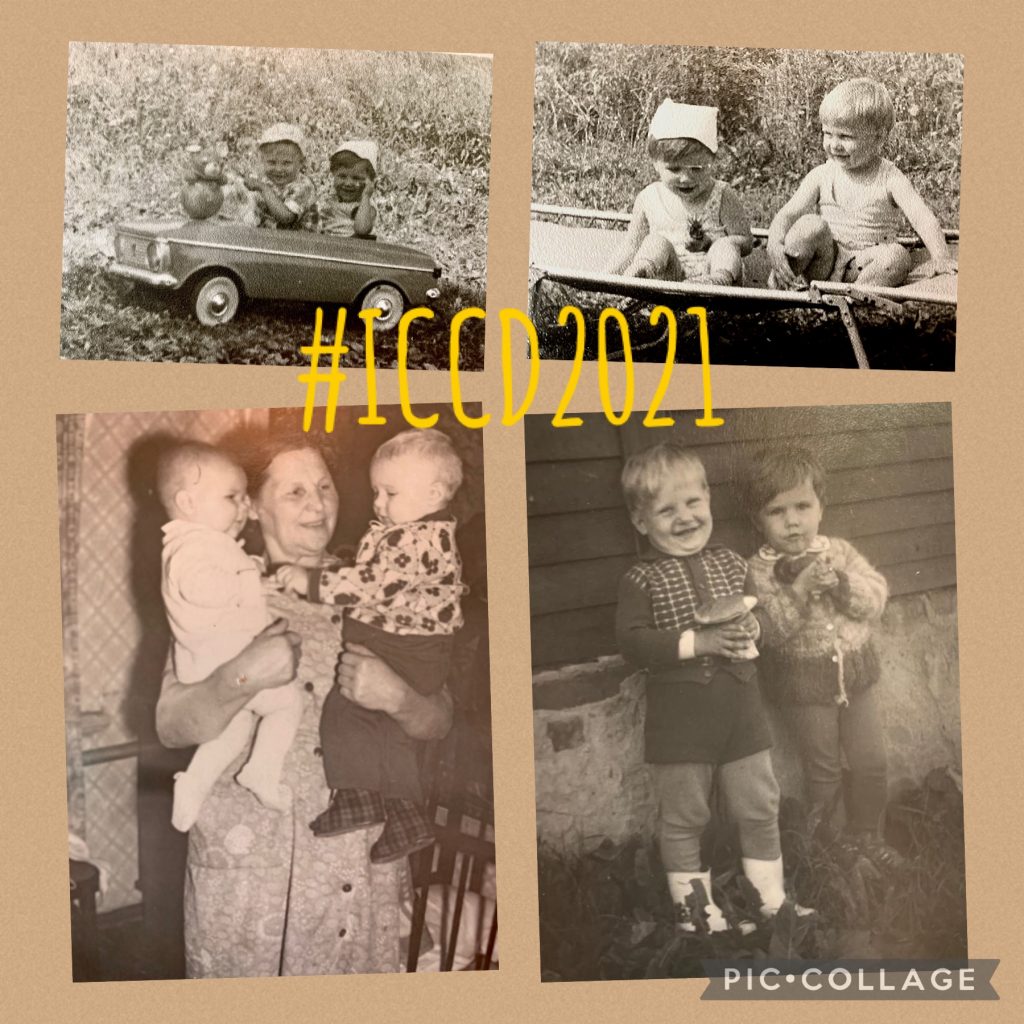
My Dad had a younger brother, both started their families at the same time. Our families used to spend a good time together, holidays, birthdays and weekends together. Both I and my cousin Igor were born almost within a year. I remember our play days together but at the level of feelings and stories told by my parents. In the pic, we were held by my nanna.

I do not have a pic where we were 3- or 4-years old. No pic was taken after Igor was diagnosed with blood cancer. He was 1-1.5-year-old. He travelled 800km to the best paediatric oncologists to receive the most progressive treatment back then. It extended his time with the family by four years. But he lost his battle…

How much can remember a 1-, 2-, 4- years old? My last memory – Igor was sleeping in a neat coffin. Adults were muttering. I remember, a tear slowly rolled down from Igor’s closed eyes. I naively asked my nanny why did the dead cousin cry??? He did not want to leave us, – said my nanny softly. 

Back then parents were not much informed on the disease, treatments, odds and alternative options. Igor was suffering, no pain relief options were available… No palliative care… Remember my nanny’s words: “These doctors had no hearts. All this child needed was a sense of peace, quiet time with his parents away from the hospital wards”. 

Many things have changed since then. Eight out of 10 children with blood cancer are responding to treatment well, they reach adulthood, may even have kids of their own. However, there are some types of childhood cancers that do not respond well and can return to being more aggressive. Cancer steals the child’s future. One of the thieves is neuroblastoma, a solid tumour of undeveloped nerves.

Childhood cancer research is essential to return happy days to kids and their families. Many childhood cancer research charities do their best to secure funds and support researchers like me. It is vital to have a continuous investment in research that helps to understand the weakness of childhood cancer and develop new drugs designed exclusively for kids.

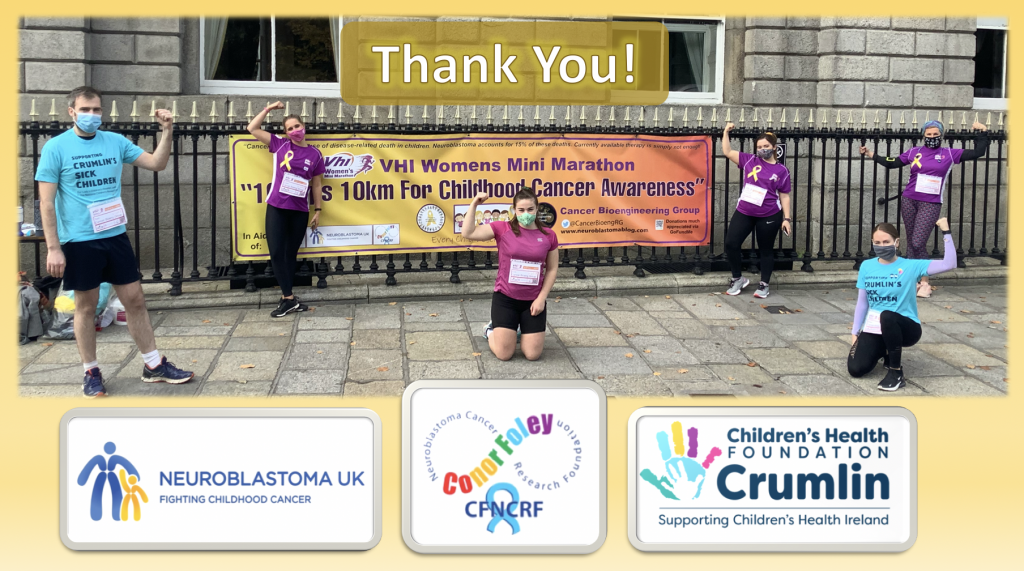
Today I want to thank 3 charities for their hard work: Children’s Health Foundation Crumlin, Neuroblastoma UK and the Conor Foley Neuroblastoma Cancer Research Foundation. And ask you, my readers, to donate to a childhood cancer charity of your choice.

10 Laps 10km: We raised a grand total of €1419

Last month we set ourselves the “10 Laps 10km” challenge for Childhood Cancer Awareness.

Now we have closed the GoFundMe and counted the charity buckets. We are delighted to announce we raised a grand total of €1419! We are over the moon with this sum, as 2020 required a very different kind of fundraiser than previous years. 

Our three chosen charities: Children’s Health Foundation Crumlin (formerly CMRF), the Conor Foley Neuroblastoma Cancer Research Foundation, and Neuroblastoma UK, will each receive just over €470. 

We’d like to say big thank you to everyone who donated. It will make a huge difference for these charities, this year especially, paving the way to better treatment options for children with cancer in the future.

10K Vhi Women’s Mini-Marathon – #POWEROF10

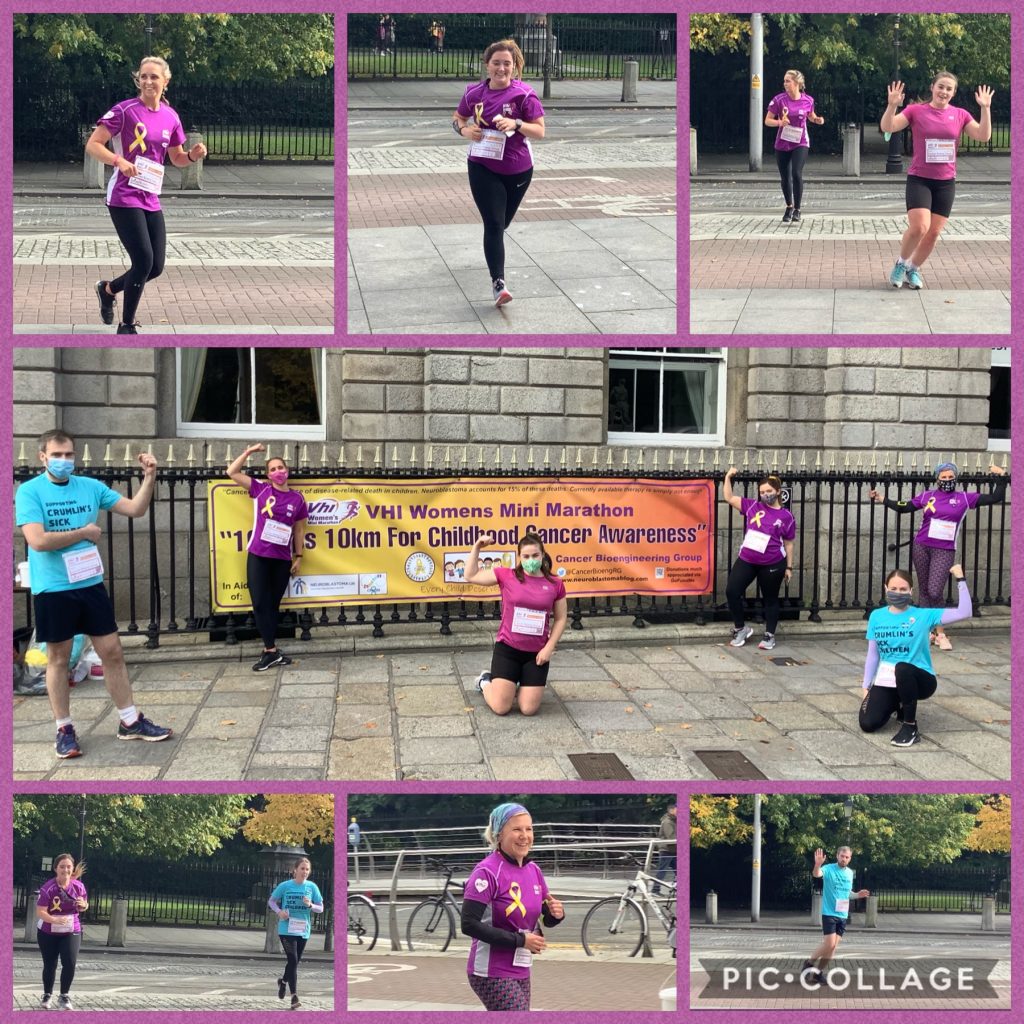
The new norm, new challenges, new excitement and new achievements! We all proud to say that we completed 10K Vhi Womens Mini marathon socially distanced. Our paces were so different that distancing came absolutely natural. We ran it individually but were a team mentally. Even the capricious Irish weather was our ally. The Sun was bright. The air was fresh and crispy.

This was an individual challenge #POWEROF10: just you and the trail. 10 laps around St Stephen’s Green park were to make the target 10K in aid of Childhood Cancer Awareness Month. The celebration of life, therapeutical advancements, the strength of little patients battling their cancer and their families, doctors and carers who are supporting them in their journey. The emphasis on the gaps in available treatments and diagnosis and the importance of research that needs funding.

Personally, my 10K were split into two parts. The first 4K were full of arguments with my body. Why didn’t I like to do laps? Could I complete 10K? Was I fit to do it? Keep going! No walking – better slow jogging. Did one lap make 1K? Should I do a longer lap instead? And so on and so forth. Then, the second part kicked in. My body stopped arguing and began to enjoy it. I noticed beautiful Autumn colours on the trees, people walking around with a cup of coffee or chatting away, saw my team members overtaking me, and our volunteers counting our laps. People on the street and in the park were cheering us up. What a wonderful and fulfilling day!

As Catherine says: “The 10 Laps 10km challenge was tough! Like many people, I took up running casually during the lockdown, however, I never did more than a couple of kilometres at once, so I was absolutely not prepared for running 10. But the cheers from our socially distanced spectators and all the online support we received meant I got through it. Also knowing what a positive impact this challenge could have for the future of childhood cancer treatment provided plenty of motivation to finish the race 💛🎗”

10K by 6 team members socially distanced. #POWEROF10. Go Gold! Let’s reach 1.5k in donations!

Our Go Fund Me page is still open until this Sunday (October 11th midnight) if you wish to support us.

One Day of the Life as a Researcher: PhD student

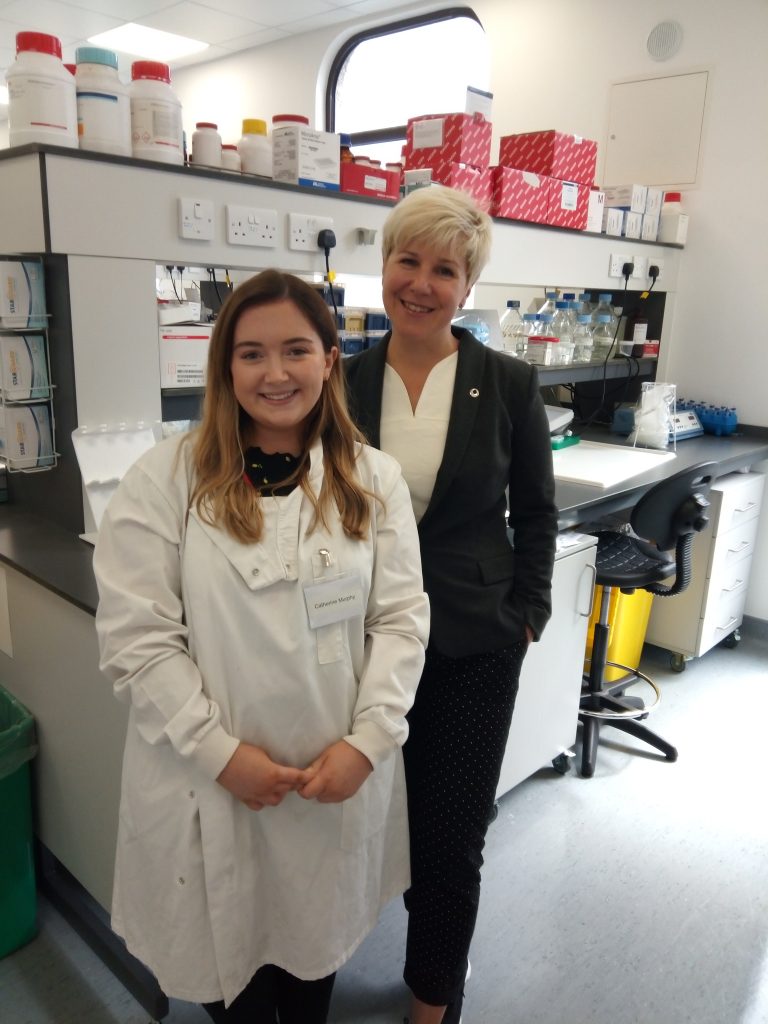
A lot has changed for me since I began my research journey in RCSI, as I transitioned from being an undergraduate placement student to a PhD candidate, however the biggest change has been adjusting to doing a lab-based PhD during a pandemic! 

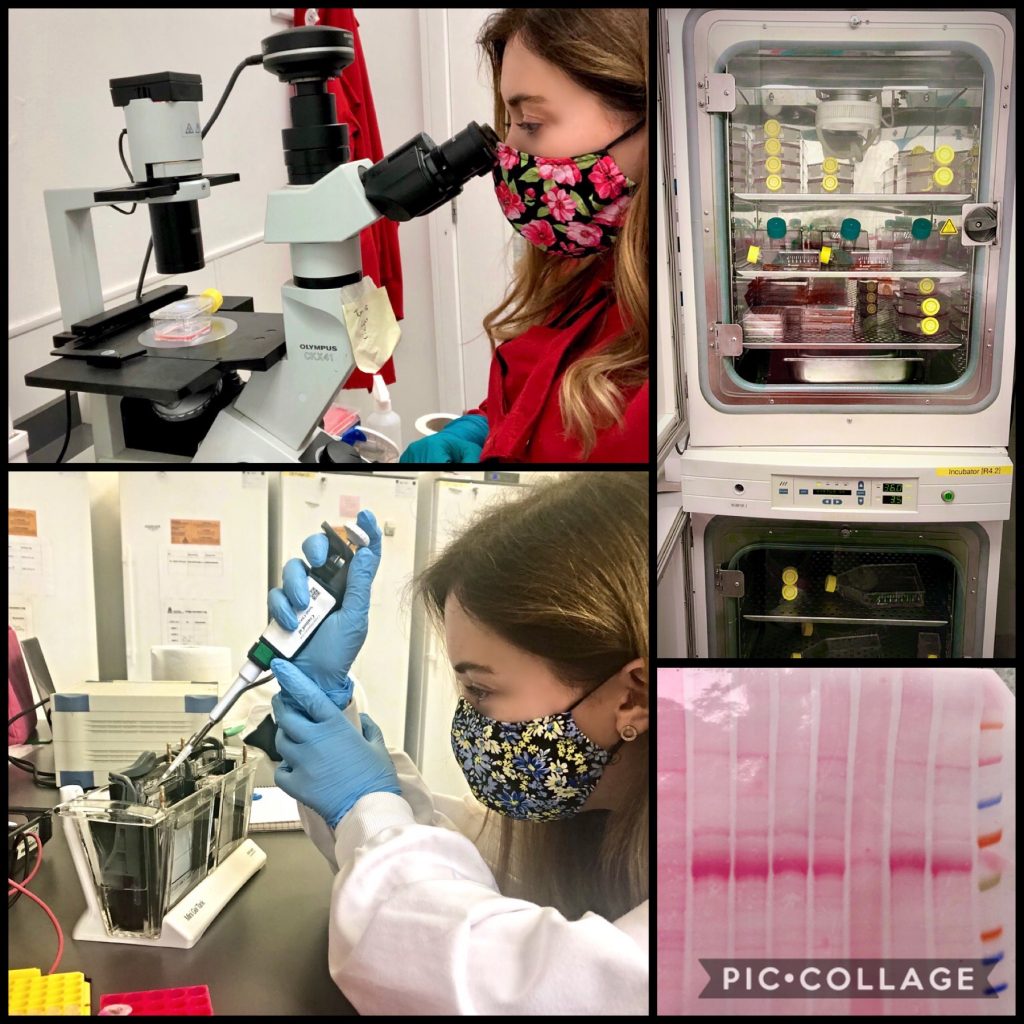
We wear red coats when looking after our rather large family of neuroblastoma cells, which happily grow inside the 37°C incubator. White coats are for most other lab work, such as analysing proteins by gel electrophoresis and Western blotting. And of course, the newest lab accessory – the facemask.

These days my work hours are shared between the labs in RCSI and my family home. While my bench space and office space used to be separated by just a few steps, there is now a 30+ minute bus journey between them. It has certainly put my planning skills to the test as now when I walk into the lab I need to be sure of what I am planning to do, and that I can complete the task in my pre-booked lab time slot. 

I appreciate my time in the labs much more now that I spend so much time at home. Whether I am culturing neuroblastoma cells, analyzing proteins or genes by Western blots or PCRs, I enjoy immersing myself in the work knowing that my time on the bench is limited. 

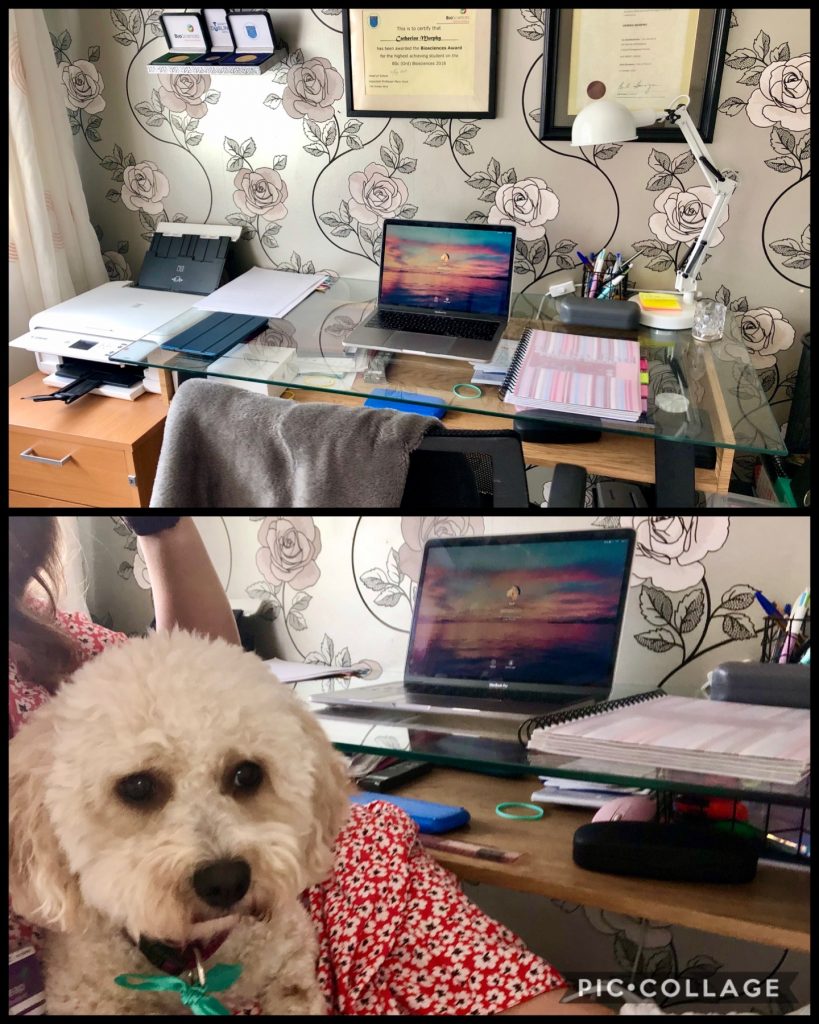
The main perk is that now when I am doing computer work – analyzing results, writing reviews, preparing presentations, using online software – I can do it from the comfort of my box-room-office, often very cosy in a blanket as I do it. While my work-from-home desk space is slightly more spacious than my desk in the now-closed “Write-up Room 2”, I do miss the chats and laughs that come with working in a shared office.

One thing’s for sure though, my two dogs very much enjoy the days that I work from home!

Catherine Murphy, Neuroblastoma UK funded PhD student

Hell… and Back…

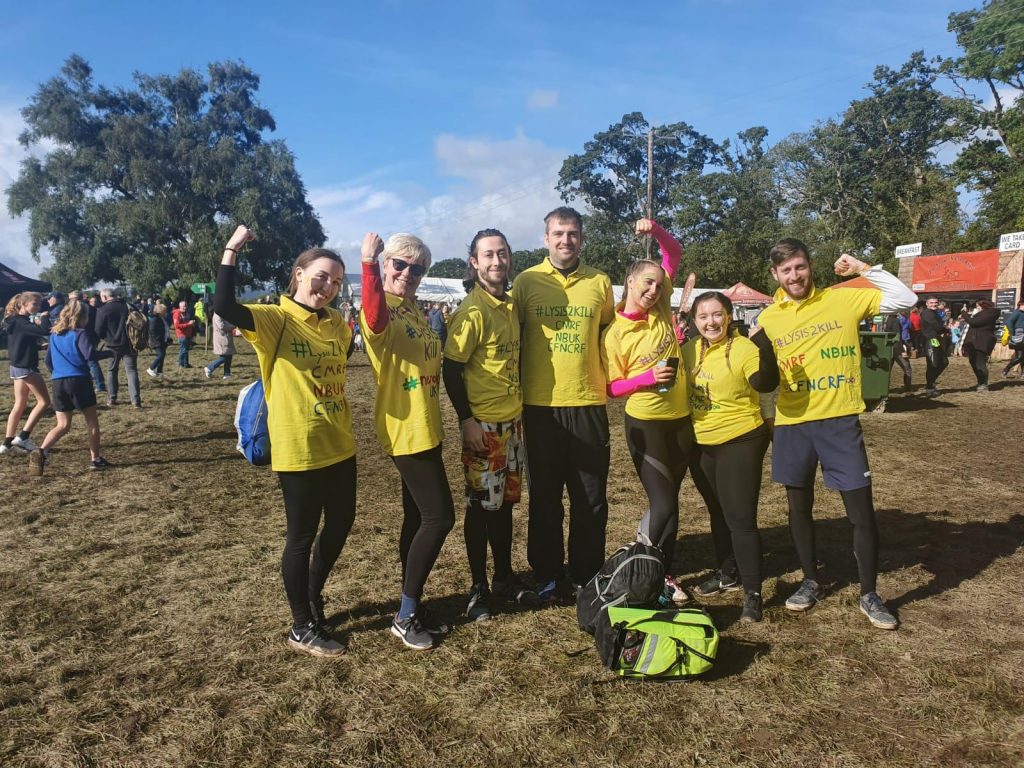
It was the end of July when Ciara suggested doing ‘Hell and Back‘ for Childhood Cancer Awareness Month. It sounded challenging and new for me so I supported this idea. We branded ourselves as #Lysis2Kill connecting to our biological background and crafted our very own T-shirts.

I was glad that I did not search for much about this challenge… I hoped that my current fitness level would suffice to complete it. Maybe coming even in the last wave…

It was on sunny Sunday. The day was fantastic. A few clouds in the sky. Many people came and did similar stuff – fundraising for the charity of their choice. Some did it for their own satisfaction or just for fun.

The atmosphere was buzzing. Throughout the challenge, people helped others they didn’t even know. Everyone cheered and smiled back. The team spirit was just fantastic.

#Lysis2Kill before the start of Hell and Back

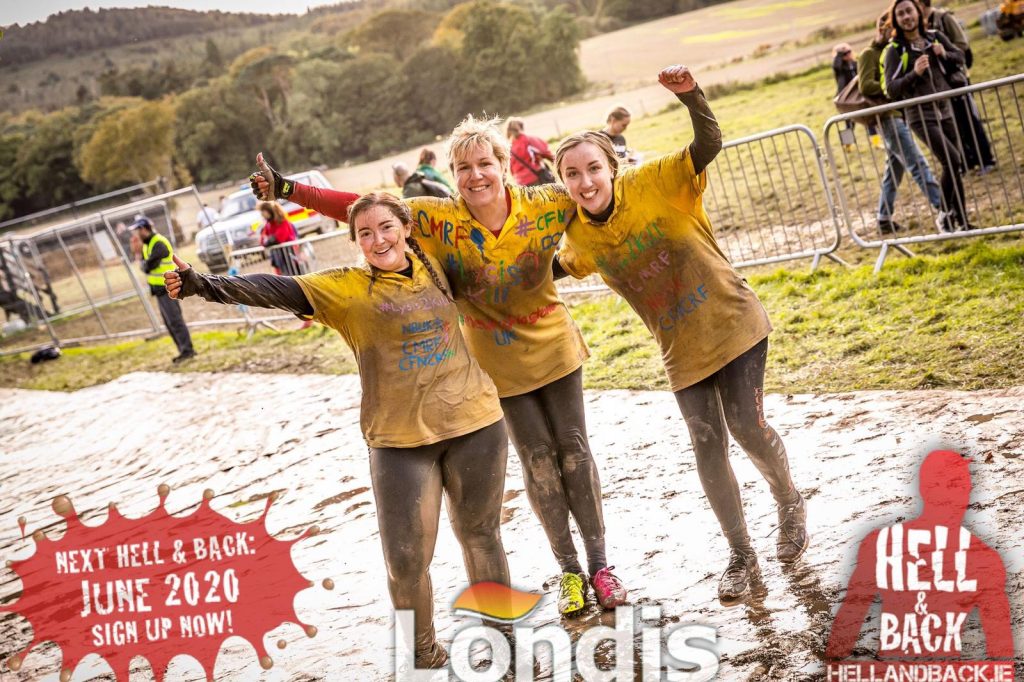
We ran, crawled, climbed, walked & swam. There were moments when I prompted myself to think only about great and picturesque surroundings. We ended up battered and bruised. It was tough and our bodies were recovering for a good while after… However, saying that I loved every minute of it. It was an exceptional experience.

#Lysis2Kill completed the Hell&Back challenge dedicated to raising awareness to Childhood Cancer and Childhood Cancer Research Charities that work hard and dream big. Some of them are established and run by parents who lost their child to neuroblastoma. Thanks to our supporters, we raised 1.7K to support three wonderful charities.

YOUR SUPPORT helped us to cross the finish line!

We put together these funds and the Waffle Baking Morning money which gave as final 2.1K Euros. We equally divided the pot between Children’s Medical Research Foundation, Neuroblastoma UK and the Conor Foley Neuroblastoma Cancer Research Foundation.

MANY THANKS FOR YOUR BIG HEARTS!!!

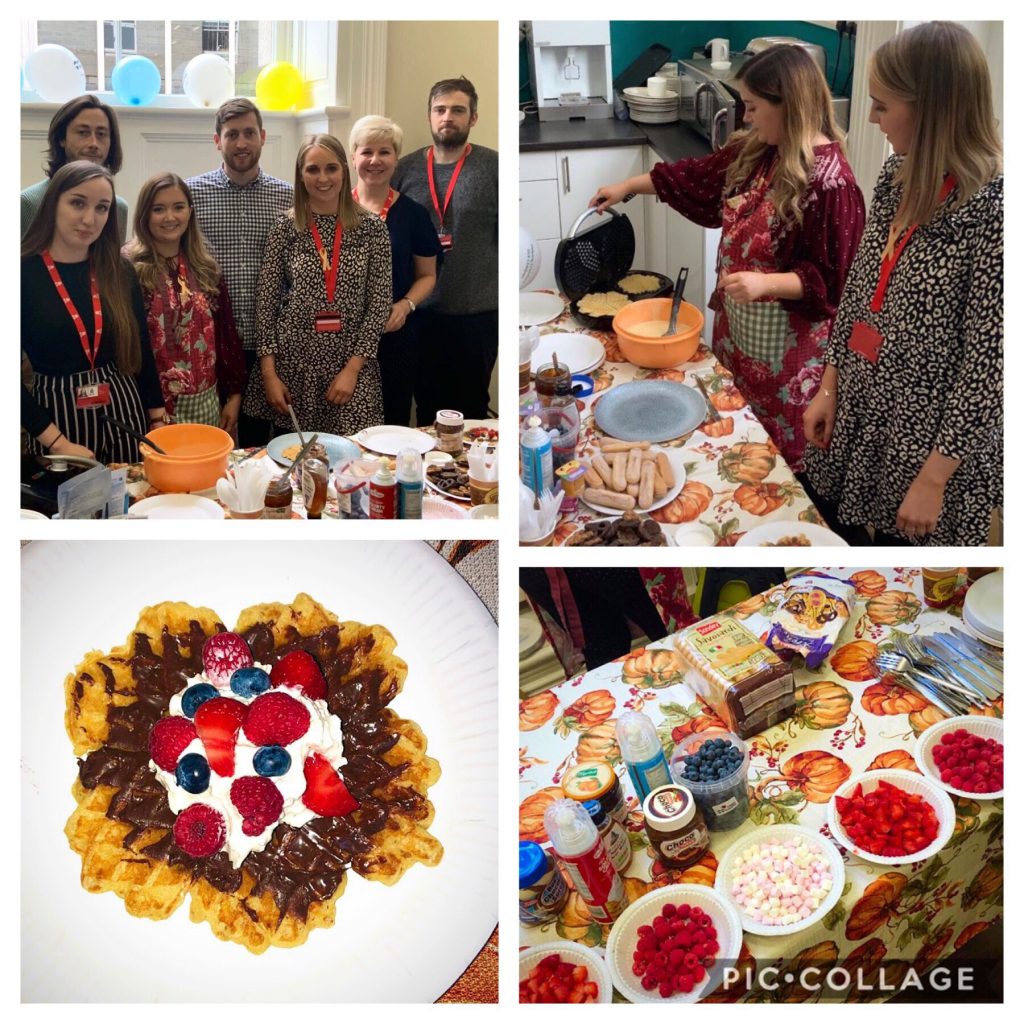
The Waffle Baking Morning

Now, when my team has expanded, it is so easy to come up with fundraising ideas and then develop one in a well-rounded event. In February, we ran Hot Chocolate Morning to raise awareness in childhood cancer and celebrate the International Childhood Cancer Awareness Day. We have an entire month of September to make this disease visible. It was the first time for some of my team members.

“Last Friday, I got to take part in my first fundraising event at the Royal College of Surgeons in Ireland. Our team hosted a waffle morning for #childhoodcancerawarenessmonth and we are delighted to have raised €403.85 thanks to everyone’s generous donations! Our fundraising does not stop here, in just a few weeks time all 7 of us will be taking on the 8km Hell and Back challenge to raise more awareness and funds for our four chosen charities: CMRF Crumlin, Neuroblastoma UK, and the Conor Foley Neuroblastoma Cancer Research Foundation. We hope everyone enjoyed their little Friday treat!” Catherine Murphy, PhD student funded by Neuroblastoma UK

New Chapter – Cancer BioEngineering Group

I have started a new chapter in my research career by joining the Department of Anatomy and Regenerative Medicine as a StAR Research Lecturer. By a coincidence, it has happened on the first day of Childhood Cancer Awareness Month. It might be symbolic.

The new start requires fresh ideas. Now, the new chapter is called Cancer Bioengineering Group. Exciting times ahead!

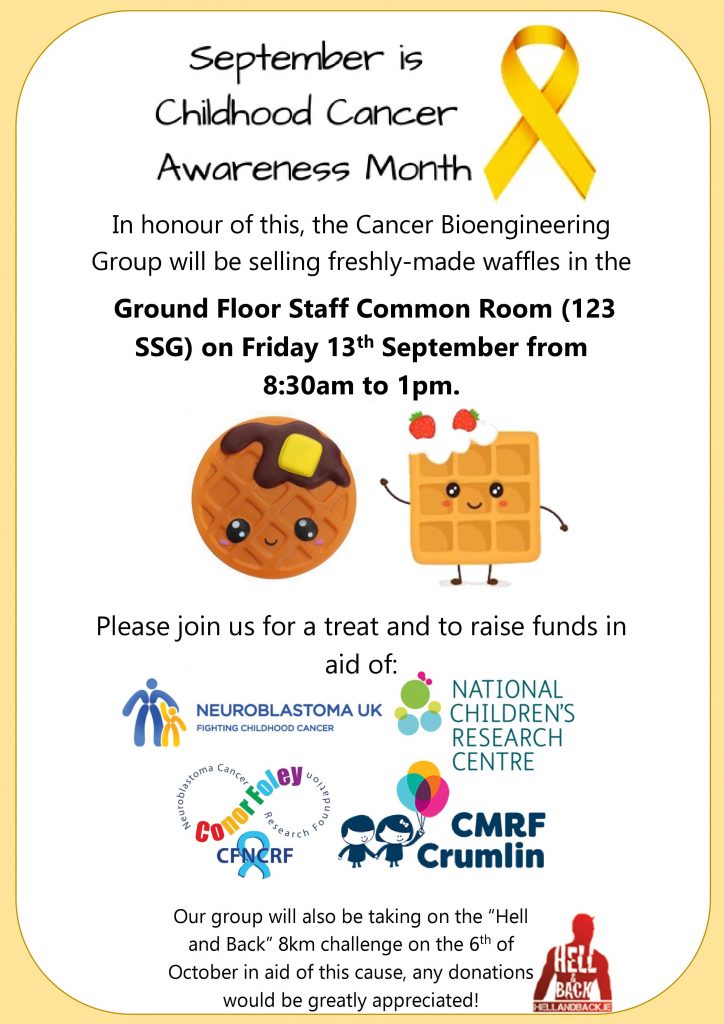
This Friday the 13th of September the Cancer-Bioengineering research group will be hosting a ‘Waffle Morning’ in honour of Childhood Cancer Awareness Month. 

Pop into the ground floor staff common room from 8.30am to enjoy some delicious freshly made waffles and support the wonderful charities; CMRF Crumlin, NCRC, CFNCRF and NBUK.

We promise to bake 3D waffle engineered scaffolds and populate them with marshmallows, berries, cream and Nutella!

Launching Neuroblastoma UK funded project

Exciting times ahead for my team – to study neuroblastoma – immune cells interaction. This 3 years project is funded by Neuroblastoma UK to support the interdisciplinary collaboration between experts in fields of neuroblastoma biology, immunology and tissue engineering from Royal College of Surgeons in Ireland, Trinity College Dublin and Queen Mary University London.

Catherine Murphy, a new PhD candidate funded by Neuroblastoma UK

In this project, we will engineer a novel experimental model to study the biology and treatment of neuroblastoma. We will build upon our recently published model where we used collagen-based scaffolds and neuroblastoma cells to test their response to chemo drugs.

Catherine will grow different neuroblastoma cells together with immune cells using a 3D printing technology. She will travel to Queen Mary University London and learn how to do 3D tumour bioprinting. This technology allows the generation of reproducible scaffolds that replicate the architecture of tumour tissues as seen in patients. She will use RCSI/AMBER facilities to optimise this model here and to study how immune cells recognise cancer cells, attack and eventually kill them. This experimental model will help us to advance current immunotherapies and develop more effective treatments for neuroblastoma.

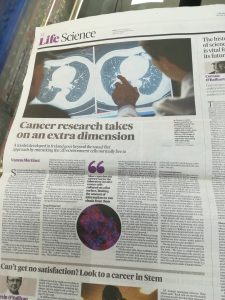
A new, three-dimensional approach to cancer research

Appeared in today’s Irish Times. Lovely crafted by Dr. Vanesa Martinez

Although the discovery could be applicable in principle to any a solid tumour, Dr Piskareva’s target is neuroblastoma, a relatively common child cancer which affects a specific type of nerve cells in unborn children. “It’s quite aggressive and unfortunately there are many children who have metastasis when they are diagnosed, and this is the most challenging group to treat.”

Irish Times, 31 May 2018

https://www.irishtimes.com/news/science/a-new-three-dimensional-approach-to-cancer-research-1.3505347